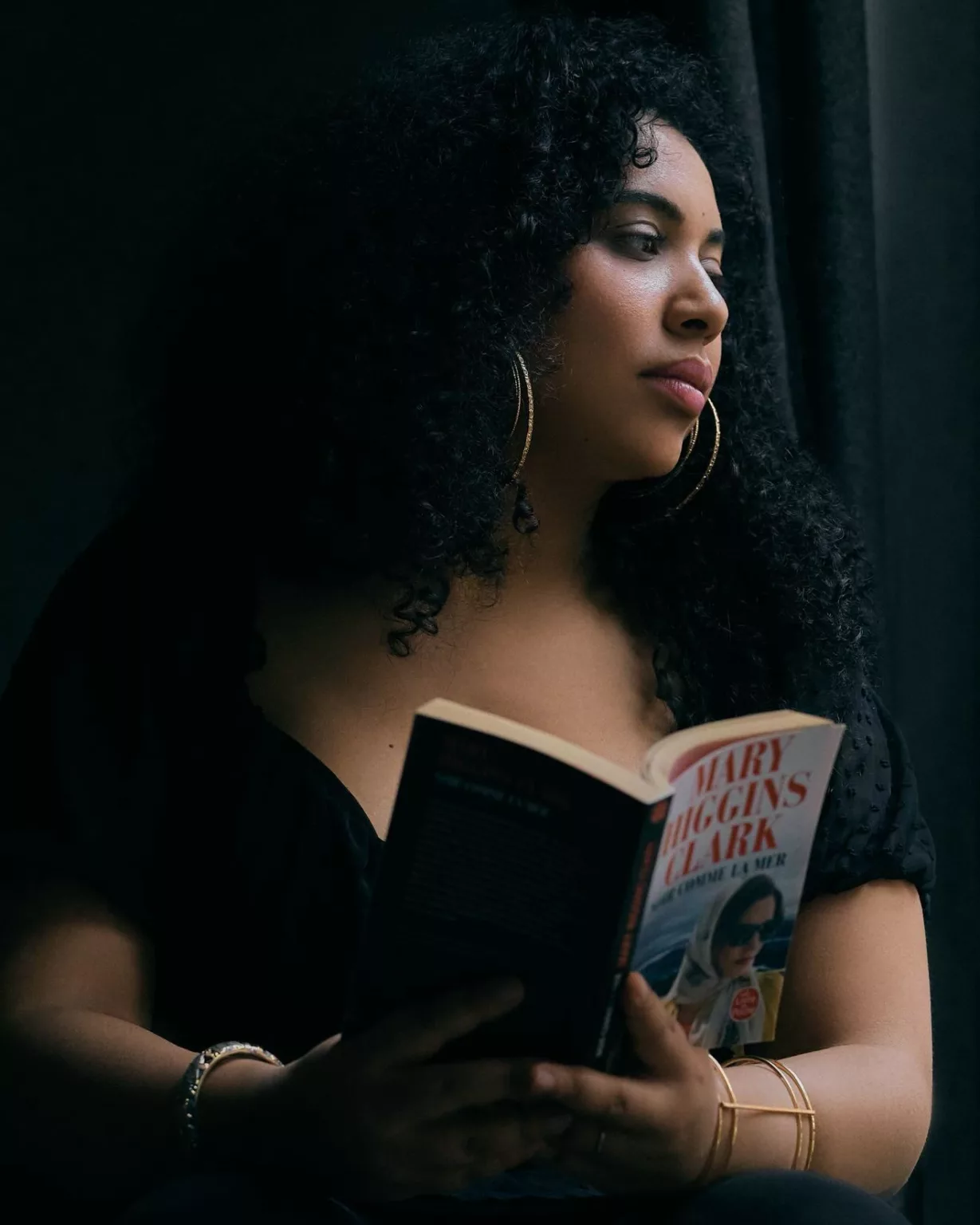
As Illythehost, I’ve been discovering and listening to women across Africa. We are doing it for the culture, and that has been one of my favourite things. Even before joining HYPE magazine, I was already deeply tapped into the African hip-hop scene, searching for voices that deserved more light, more platforms and more conversations around their artistry. That’s why when I first pitched the Women in African Hip-hop concept to HYPE years ago as a freelancer, it felt natural. It blended perfectly with who I already was and what I cared about culturally.
Four years later, I’m still locked into the African market, constantly discovering artists from different regions with different sounds and different stories. But honestly, I had never really explored Tunisia’s hip-hop scene like that until earlier this year when I started tapping into Medusa TN’s music. Even though language can sometimes feel like a barrier, music has always been universal. Energy translates. Passion translates. Authenticity translates. And Medusa TN carries all of that in her artistry.

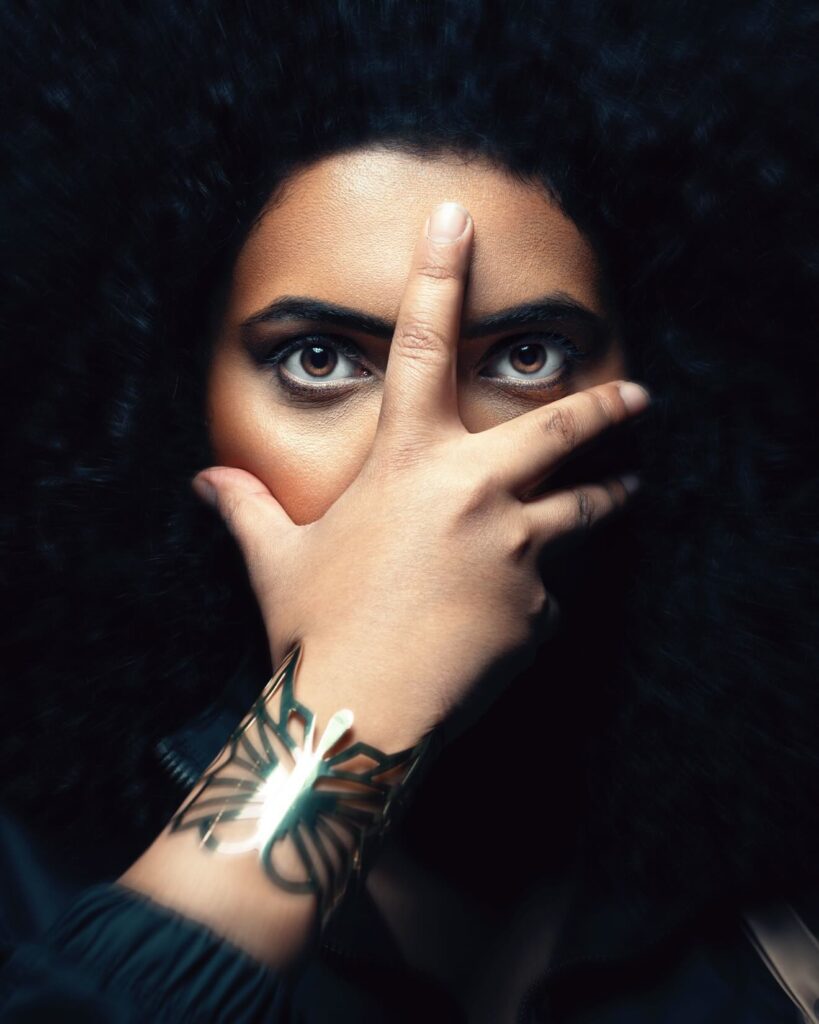
Her rise
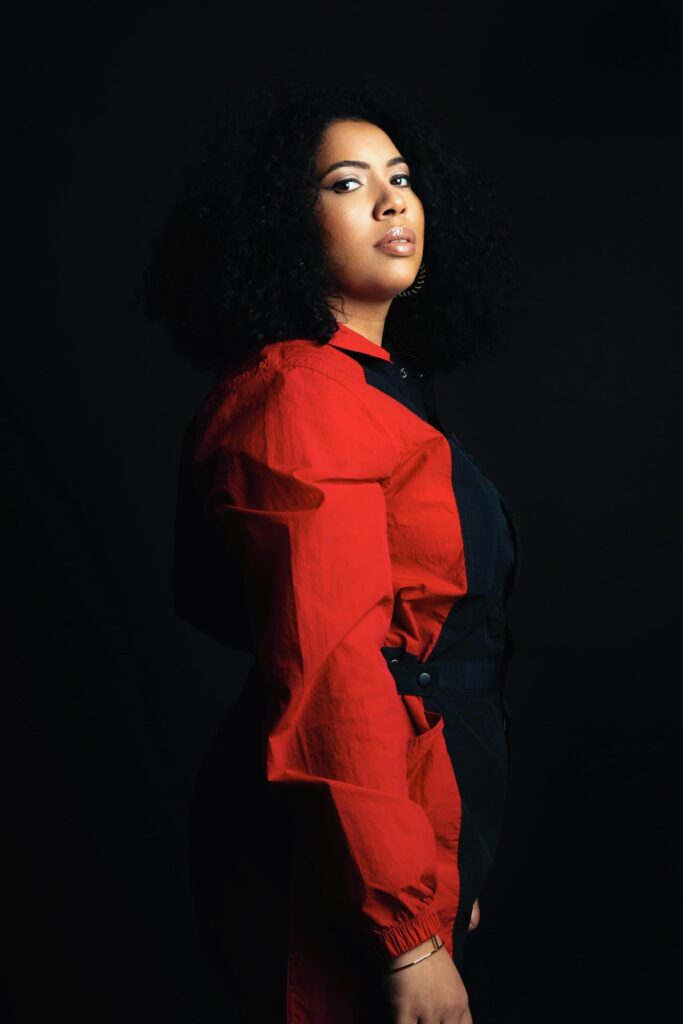
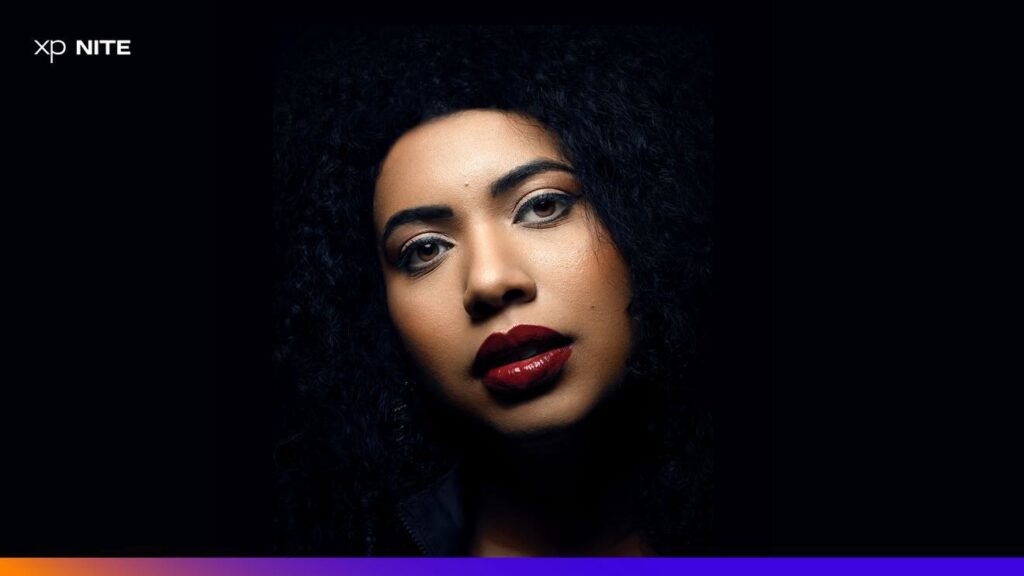
Across Africa, women in hip-hop continue to prove that the culture has never belonged to one voice, one gender or one region. From Johannesburg to Accra and the underground scenes of North Africa, women are building movements, challenging stereotypes and reshaping what hip-hop looks and sounds like on the continent. Among those voices is Medusa TN, a Tunisian rapper whose journey reflects both the growth of African hip-hop and the resilience needed to survive within it.
Immersed in Tunisia’s growing hip-hop scene from the age of 10, Medusa TN’s connection to the culture began long before rap. Her introduction came through breakdancing, where she first experienced hip-hop’s energy, rebellion, creativity and freedom of expression. Like many artists raised within the culture itself, hip-hop became more than music to her. It became identity, community and purpose.
Before people recognised her as one of Tunisia’s strongest female rap voices, she was already living within the ecosystem of hip-hop culture. That foundation matters because it shaped her authenticity. You can hear it in the way she carries herself, the confidence in her delivery and the honesty behind her music. Nothing about her artistry feels forced or manufactured.
Voices are heard
In Tunisia, hip-hop has long served as a voice for young people navigating political tension, social pressure and economic struggles. Following the Tunisian Revolution, rap became even more powerful as a form of resistance and social commentary. However, despite the scene’s growth, it remained heavily male-dominated, creating barriers for women trying to enter and thrive within the culture.
That reality makes Medusa TN’s rise even more important. Instead of shrinking herself to fit into spaces controlled by men, she carved her own lane through persistence, confidence and raw talent. Over time, she has grown into a respected figure within Tunisia’s hip-hop landscape, earning attention not because she is “a female rapper” but because she can genuinely rap and command space within the culture.
Her music reflects the reality many African women artists face daily – balancing vulnerability with strength, pressure with ambition, survival with self-expression. Through sharp lyricism and fearless energy, Medusa TN represents a generation of women refusing to be boxed in creatively or culturally. There’s a rawness in her artistry that feels deeply connected to hip-hop’s original essence: storytelling, rebellion, honesty and self-expression rooted in lived experiences.
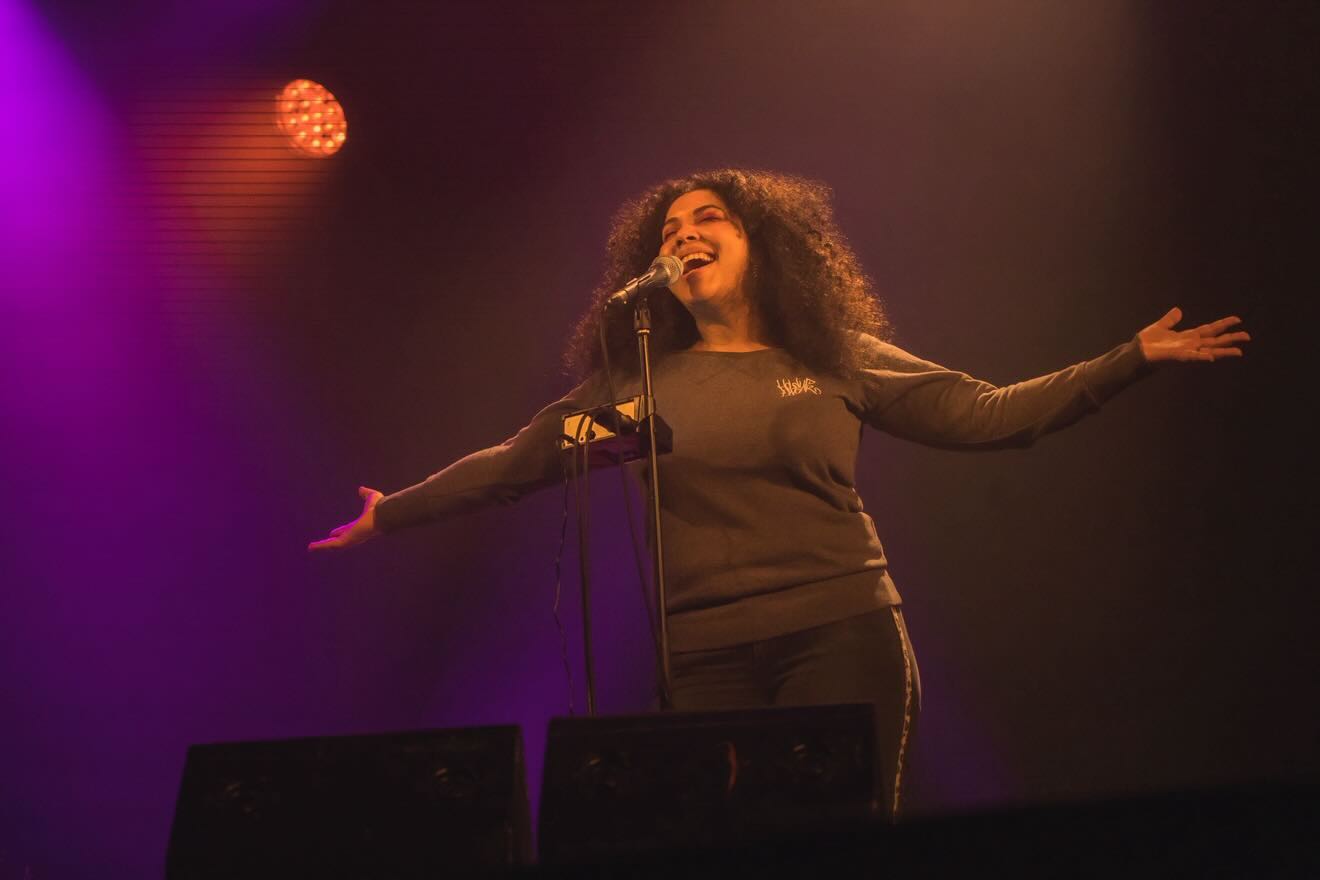
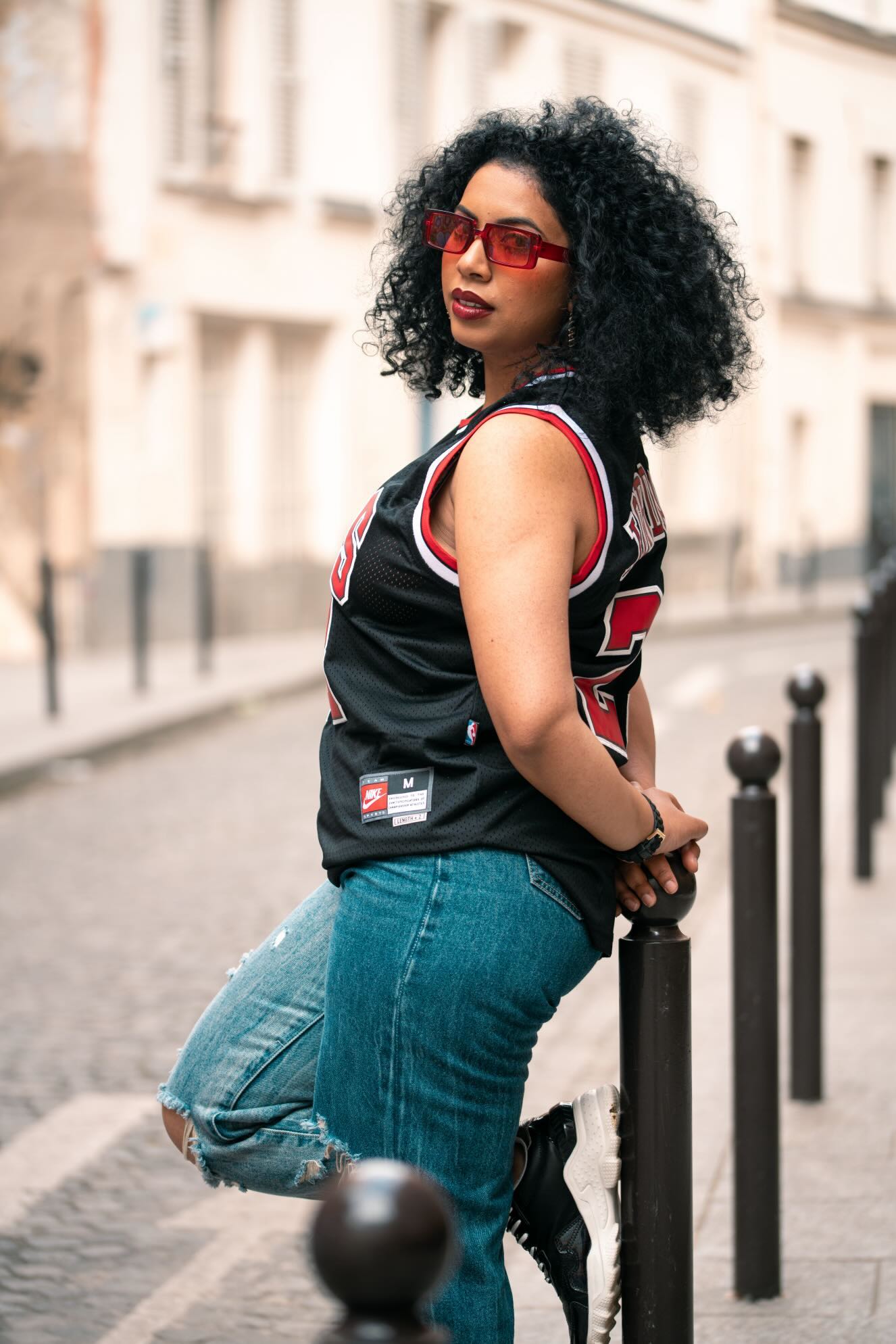
Local flavour with global reach
What also stands out about Medusa TN is how she represents a part of African hip-hop that global conversations often overlook. When people discuss African rap, the focus usually stays within markets like South Africa, Nigeria or Ghana. North African hip-hop scenes rarely receive the same visibility despite having incredibly rich cultures and unique sounds. Artists like Medusa TN are helping shift that narrative by reminding audiences that African hip-hop is diverse, multilingual and layered.
Tunisia’s hip-hop scene carries its own textures and perspectives shaped by the country’s history, youth culture and social realities. Medusa TN brings those influences into her artistry while still making music that feels globally relatable. That balance is powerful because it allows listeners from completely different parts of the world to still connect emotionally with what she creates.
Beyond the music itself, her presence carries weight for younger generations watching from the sidelines. Representation matters, especially within spaces where women have historically been underestimated or excluded. Young girls across Tunisia and North Africa can now look at artists like Medusa TN and see themselves reflected within hip-hop culture, not as outsiders, but as leaders, creators and voices capable of shaping the future.
Local flavour with global reach
What also stands out about Medusa TN is how she represents a part of African hip-hop that global conversations often overlook. When people discuss African rap, the focus usually stays within markets like South Africa, Nigeria or Ghana. North African hip-hop scenes rarely receive the same visibility despite having incredibly rich cultures and unique sounds. Artists like Medusa TN are helping shift that narrative by reminding audiences that African hip-hop is diverse, multilingual and layered.
Tunisia’s hip-hop scene carries its own textures and perspectives shaped by the country’s history, youth culture and social realities. Medusa TN brings those influences into her artistry while still making music that feels globally relatable. That balance is powerful because it allows listeners from completely different parts of the world to still connect emotionally with what she creates.
Beyond the music itself, her presence carries weight for younger generations watching from the sidelines. Representation matters, especially within spaces where women have historically been underestimated or excluded. Young girls across Tunisia and North Africa can now look at artists like Medusa TN and see themselves reflected within hip-hop culture, not as outsiders, but as leaders, creators and voices capable of shaping the future.
Cultural shift
The rise of women in African hip-hop reflects a much bigger cultural shift happening across the continent. Women are no longer waiting for permission to occupy spaces within music, media, production, deejaying, journalism and management. They are becoming architects of the culture itself. Artists like Medusa TN contribute to that evolution simply by existing unapologetically and continuing to sharpen their craft despite the odds.
As African hip-hop continues to gain international attention, it becomes increasingly important to highlight voices from regions that mainstream conversations often ignore. North Africa remains one of the continent’s most exciting and evolving hip-hop spaces, and Medusa TN is undeniably one of the women helping shape that future from within.
At its core, hip-hop has always been about expression, resistance and identity. Medusa TN embodies all three. Through authenticity, creativity and fearless individuality, she continues to prove that women in African hip-hop are not just participating in the culture – they are actively redefining it.