
The rise of Eswatini Journalism
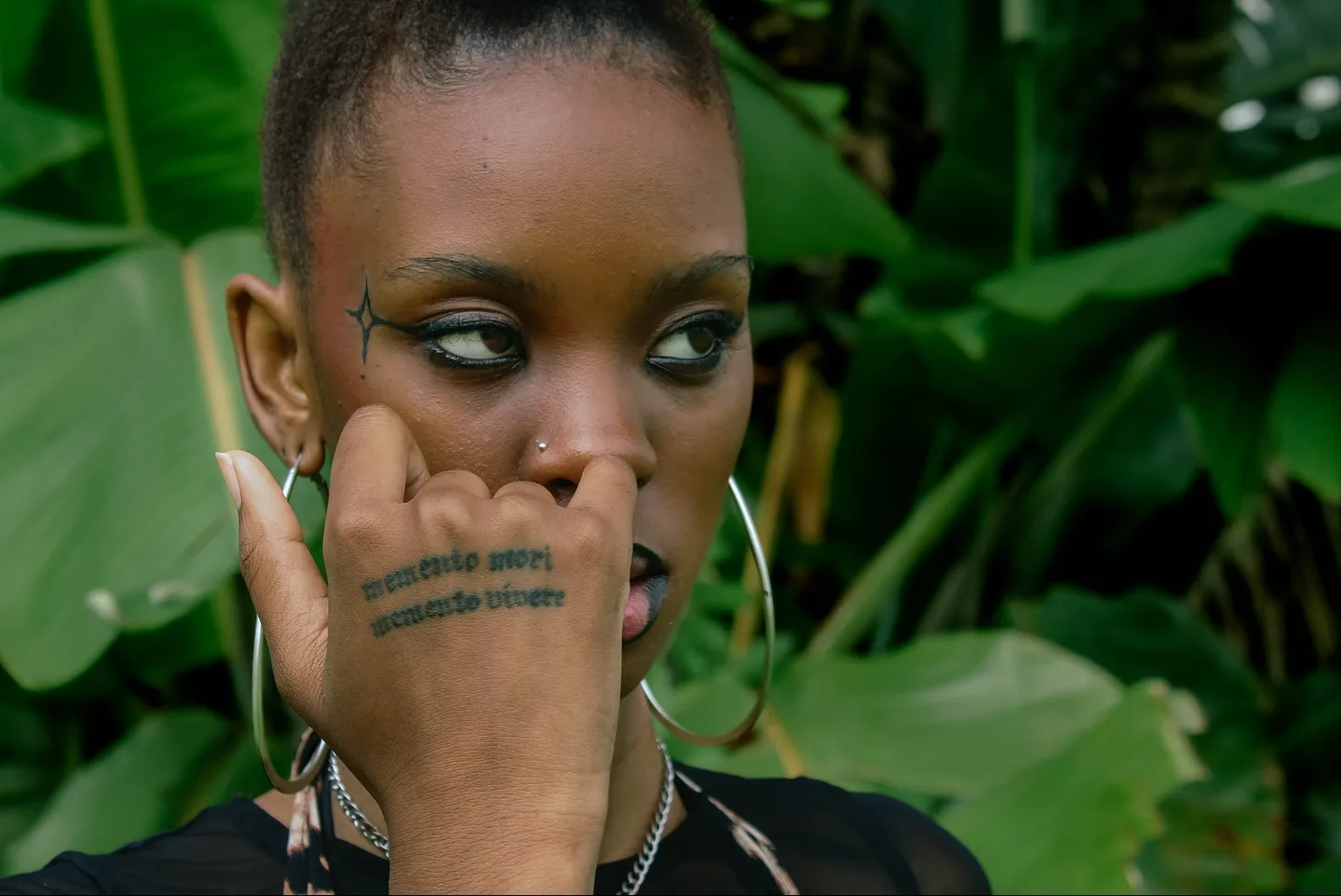
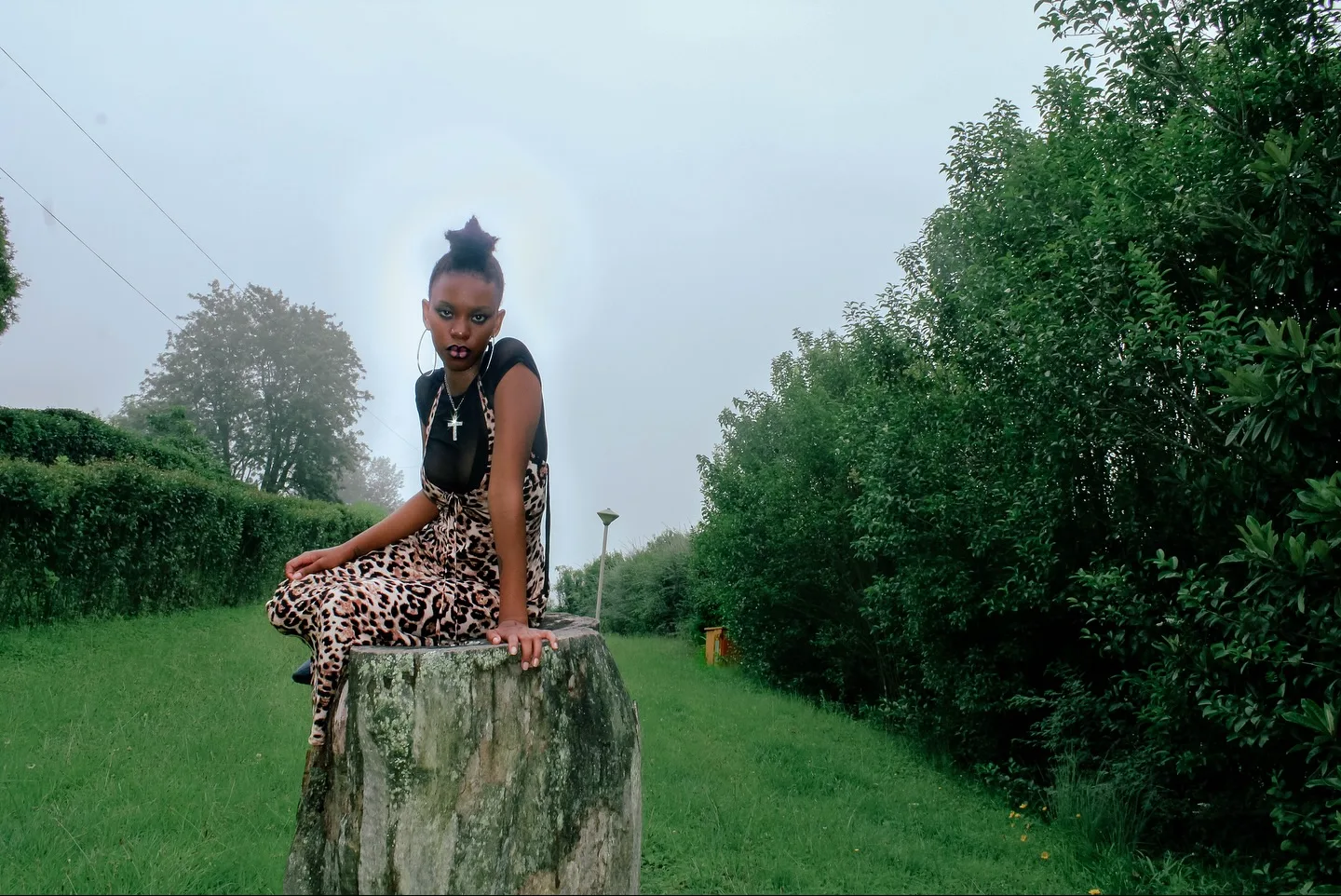
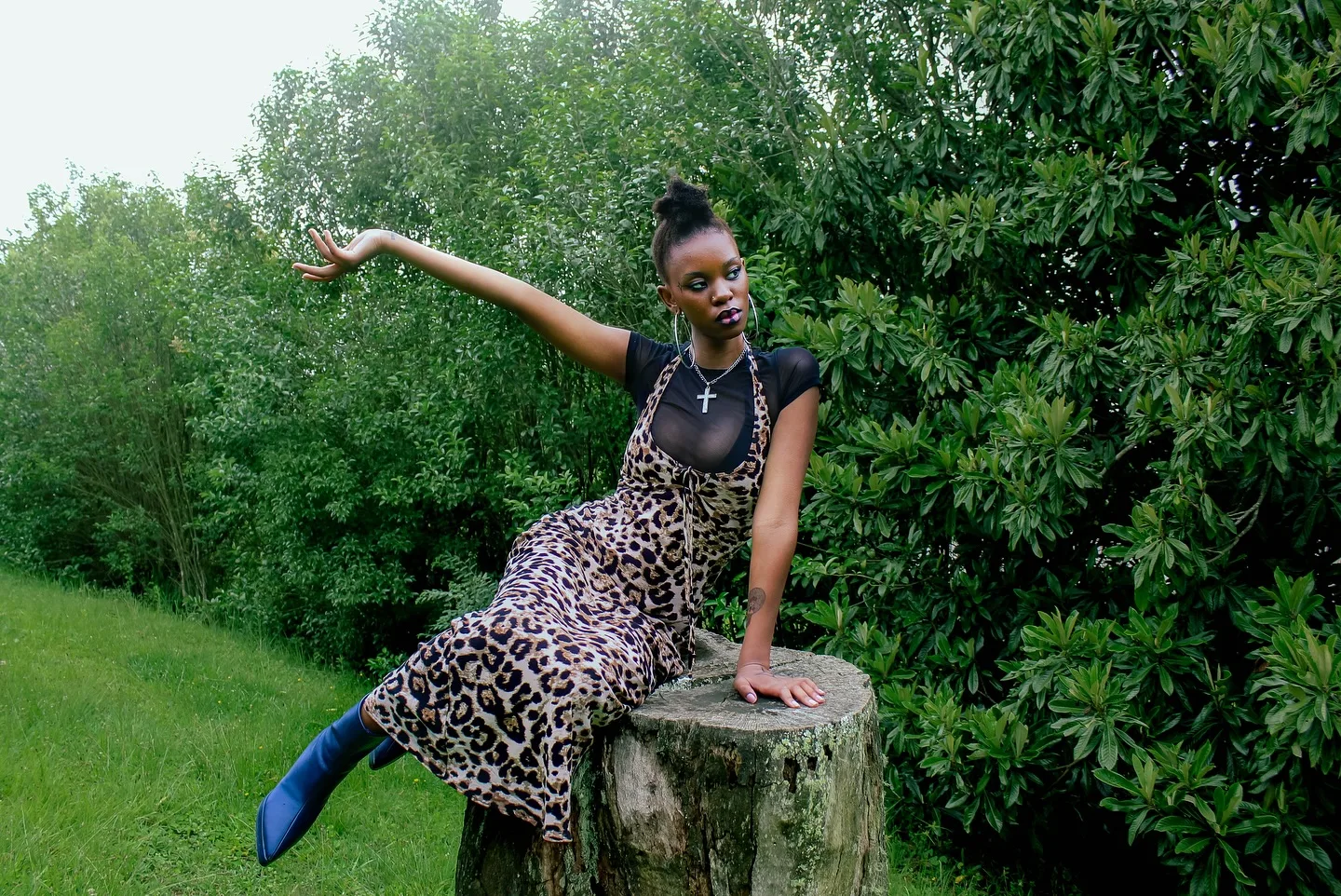
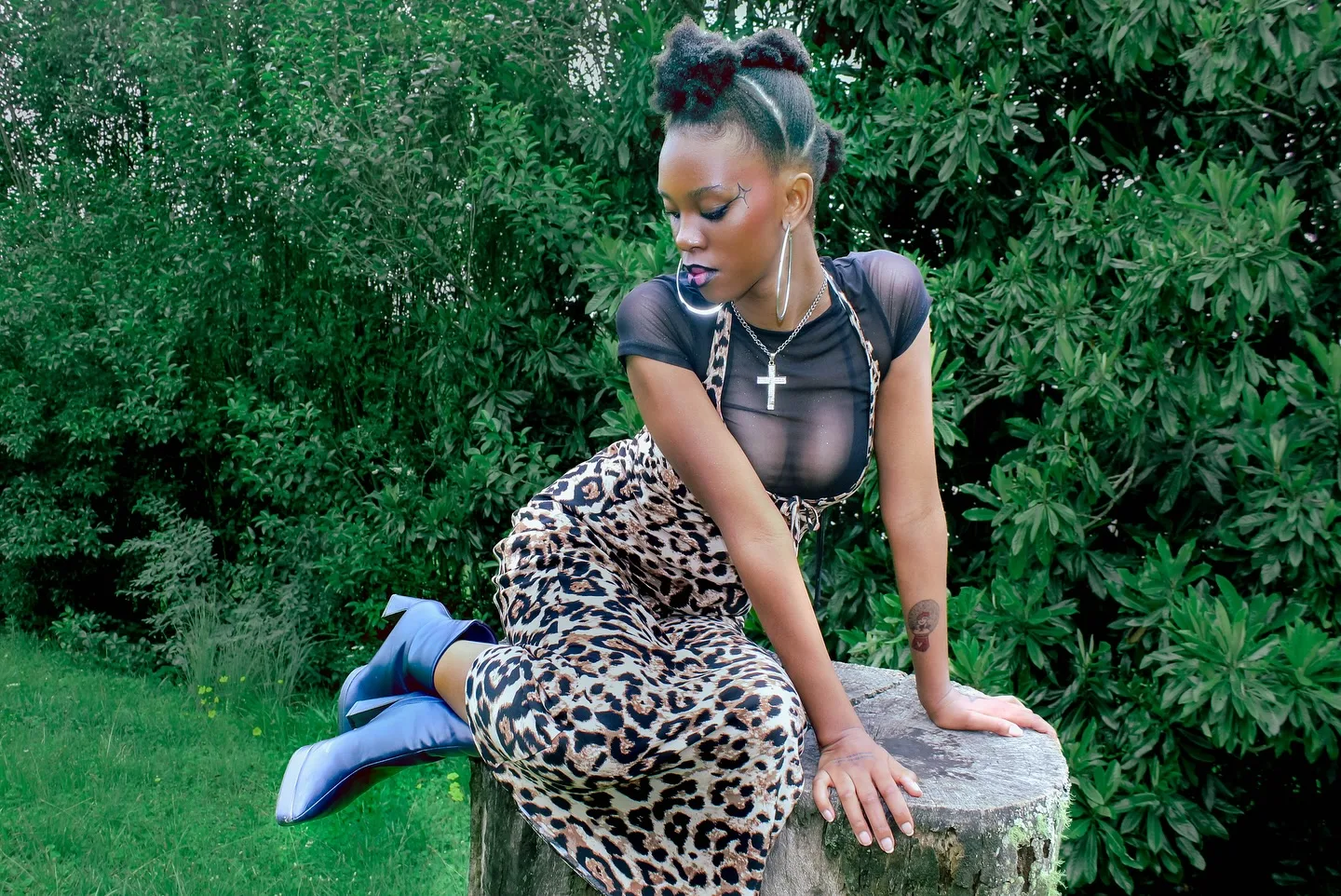
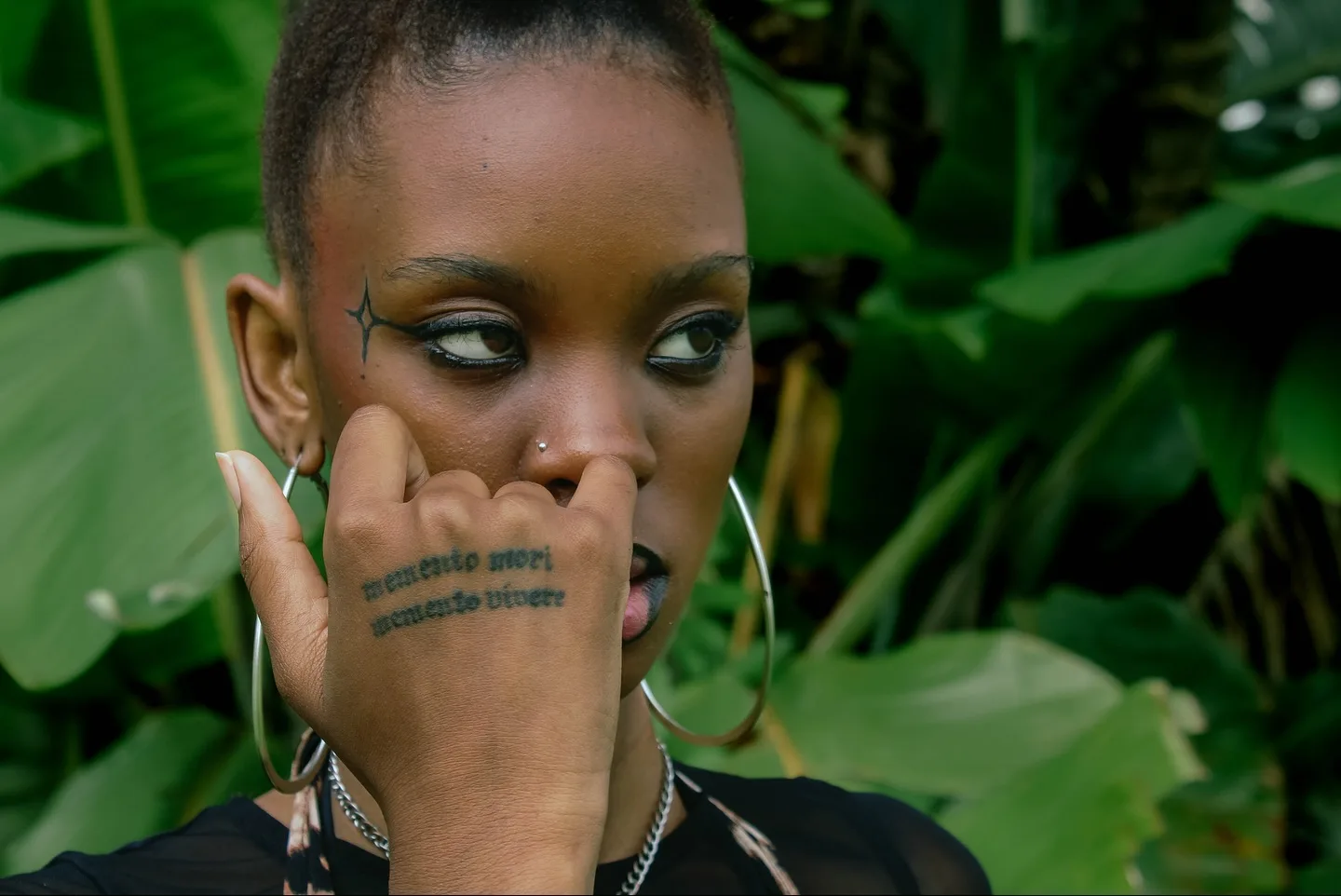
In a time when African youths are shaping conversations around music, culture and media, new voices continue to emerge with passion and purpose. One of those voices is Lulama Nkosi, a young creative from Eswatini, who is steadily building her footprint within South Africa’s vibrant hip-hop media space. Currently based in South Africa, Nkosi represents a generation that is balancing education, ambition and cultural contribution all at once. While pursuing her degree, she has also stepped into the world of music media, working with the respected platform, South African Hip-Hop Reloaded (SAHHR). The platform has long been known for documenting and celebrating hip-hop culture across the country, giving artists, producers and creatives a space to share their stories. For Nkosi, being part of such a platform is not only an opportunity to learn the industry from the inside, but also a chance to contribute her own voice to the culture. Coming from Eswatini and finding her place within South Africa’s creative landscape, Nkosi’s journey reflects determination and curiosity. Like many young creatives navigating the media and music industries, she is learning the ropes while actively participating in the conversations that shape the culture. From covering artists to engaging with hiphop communities, she is part of the growing network of young storytellers helping document the evolution of African music. Balancing studies with professional experience is no small task, but Nkosi approaches it with the mindset of someone who understands the value of growth and opportunity. Her presence within SAHHR shows how young creatives from across the continent are contributing to the broader narrative of African hip-hop. Tsatsa emaphilisi, uphumule, futsi ujabulele lengcociswano lemangalisako…
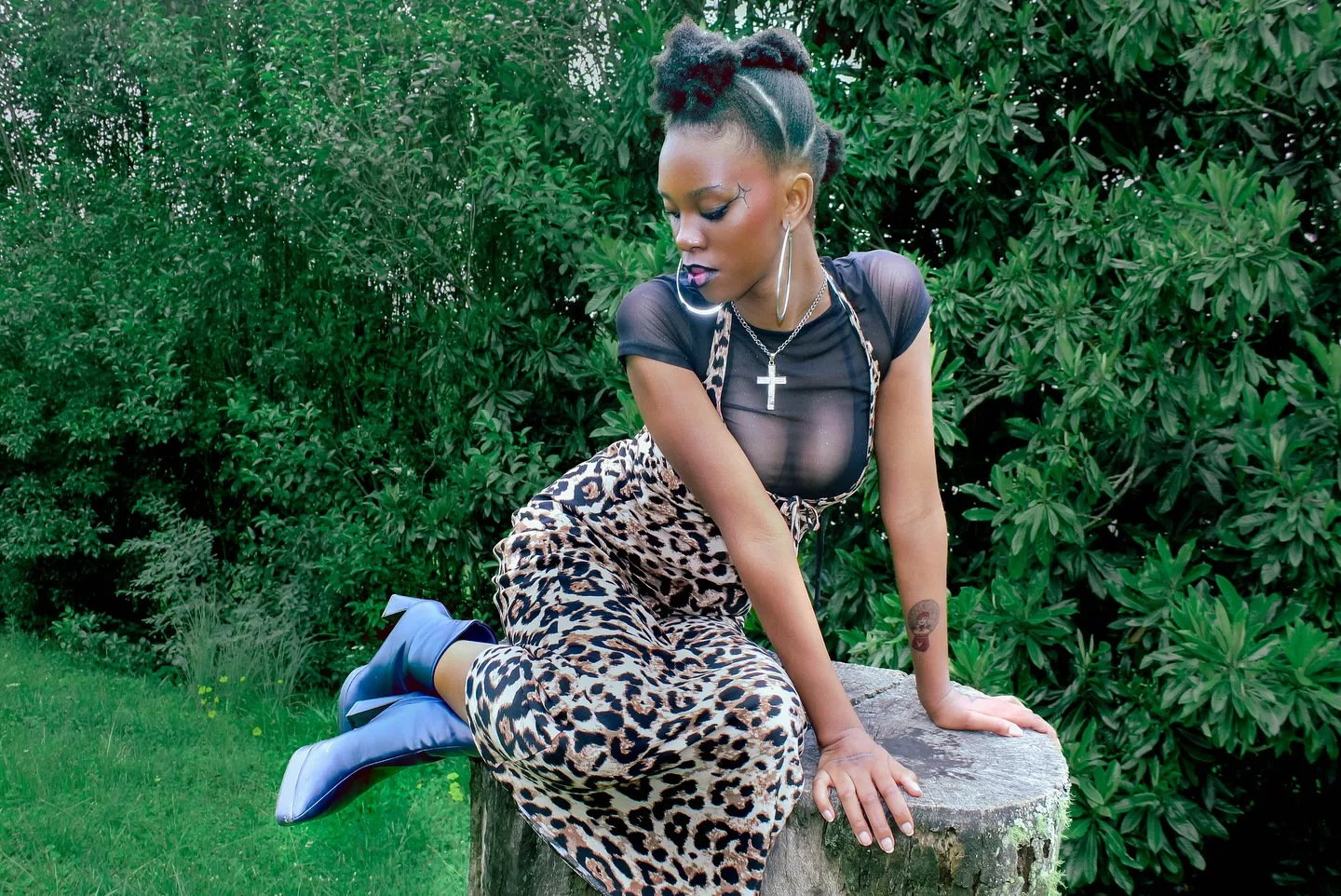
In a time when African youths are shaping conversations around music, culture and media, new voices continue to emerge with passion and purpose. One of those voices is Lulama Nkosi, a young creative from Eswatini, who is steadily building her footprint within South Africa’s vibrant hip-hop media space. Currently based in South Africa, Nkosi represents a generation that is balancing education, ambition and cultural contribution all at once. While pursuing her degree, she has also stepped into the world of music media, working with the respected platform, South African Hip-Hop Reloaded (SAHHR). The platform has long been known for documenting and celebrating hip-hop culture across the country, giving artists, producers and creatives a space to share their stories. For Nkosi, being part of such a platform is not only an opportunity to learn the industry from the inside, but also a chance to contribute her own voice to the culture. Coming from Eswatini and finding her place within South Africa’s creative landscape, Nkosi’s journey reflects determination and curiosity. Like many young creatives navigating the media and music industries, she is learning the ropes while actively participating in the conversations that shape the culture. From covering artists to engaging with hiphop communities, she is part of the growing network of young storytellers helping document the evolution of African music. Balancing studies with professional experience is no small task, but Nkosi approaches it with the mindset of someone who understands the value of growth and opportunity. Her presence within SAHHR shows how young creatives from across the continent are contributing to the broader narrative of African hip-hop. Tsatsa emaphilisi, uphumule, futsi ujabulele lengcociswano lemangalisako…
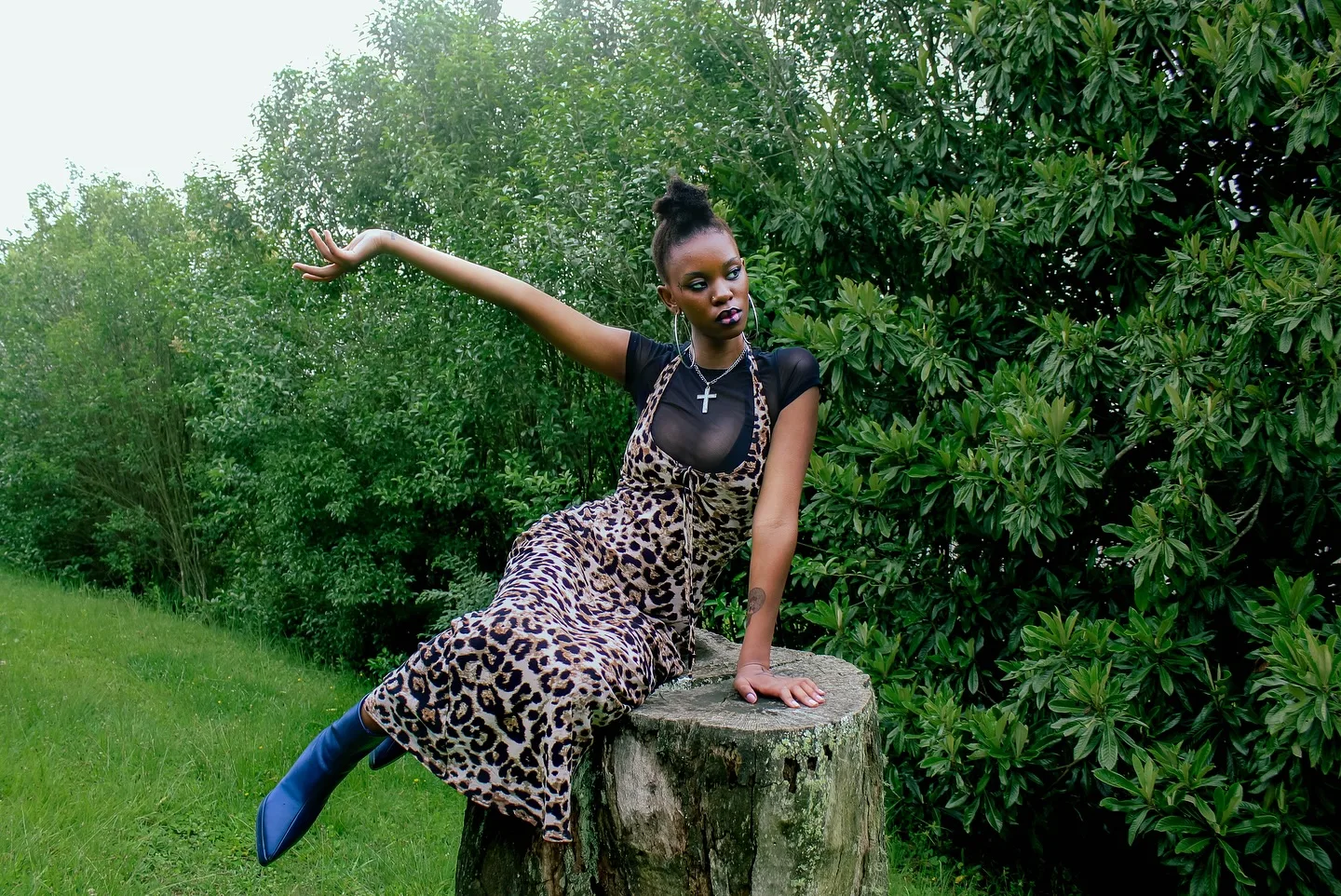
You were born in Eswatini and are now working within the South African hip-hop ecosystem. How has that cross-border identity shaped the way you document the culture?
Coming from a small, inherently conservative nation such as Eswatini – where there isn’t any real currency in hip-hop or music and creativity in general – paired with the positive contrast in the South African inspirationally progressive creative industry has helped me learn how to appreciate the arts and the artists. I feel the need to fight for more creative freedom, rights and opportunities because I don’t get to see that often and, even when I do, it feels like there are still so many big possibilities for the art that I have grown up to long and fight for. Seeing more artists be appreciated and respected is a lifelong dream.
Hip-hop journalism is often dominated by male voices. What invisible barriers have you faced as a woman reporting on rap culture?
Yeah, it is a pretty male-dominated industry, and I think a barrier I could say I’ve faced as a woman is that we are not as respected and appreciated. Perhaps because there aren’t many women in journalism, it’s an anomaly. On the one hand, because it’s so male-dominated, I suppose it’s easier to stand out as a woman in the field, but it’s just as easy to be overlooked because you’re “just a woman”. I am not denying the space that has been held for me and the positive experiences I have had, although it would be untrue to say I haven’t been in spaces where, because I am a woman, I am expected to be a woman and not be a journalist. Many artists complain that music journalism today is becoming “promo-driven” rather than critical. Do you believe hip-hop media in Africa still tells the truth? As journalists, our job is to be unbiased in our narratives and let the world decide whether or not they like something or someone with that information. However, even though I love it when people are nerds about certain topics, I do think that music journalism has become a bit more promo-driven because most journalists act from a point of favouritism rather than being nerds. We are a bit more focused on pushing our favourite artists than we are on pushing art culture, and I think that’s corrupted our reputation a bit. I wish we could all go back to just being nerds and not clout-chasing groupies. But in terms of whether I think hip-hop media in Africa still tells the truth, I think truth is subjective, and even though recently the media might be a bit more promo-driven, there is still truth in that because it serves as a perspective, but maybe not a solid source of information.
As someone studying broadcast journalism while actively covering music, how do you balance academic storytelling frameworks with the raw energy of hiphop culture? I am pursuing a degree that covers a lot of my major interests. Most days, what I learn in the field as a music journalist with SAHHR, I effortlessly apply in my schoolwork, and what I learn in school, I apply out in the media field, so the balance is almost always naturally there, because I am always open to learning. You interviewed artists early in their careers, like when you spoke with Uncle Waffles before her global explosion.
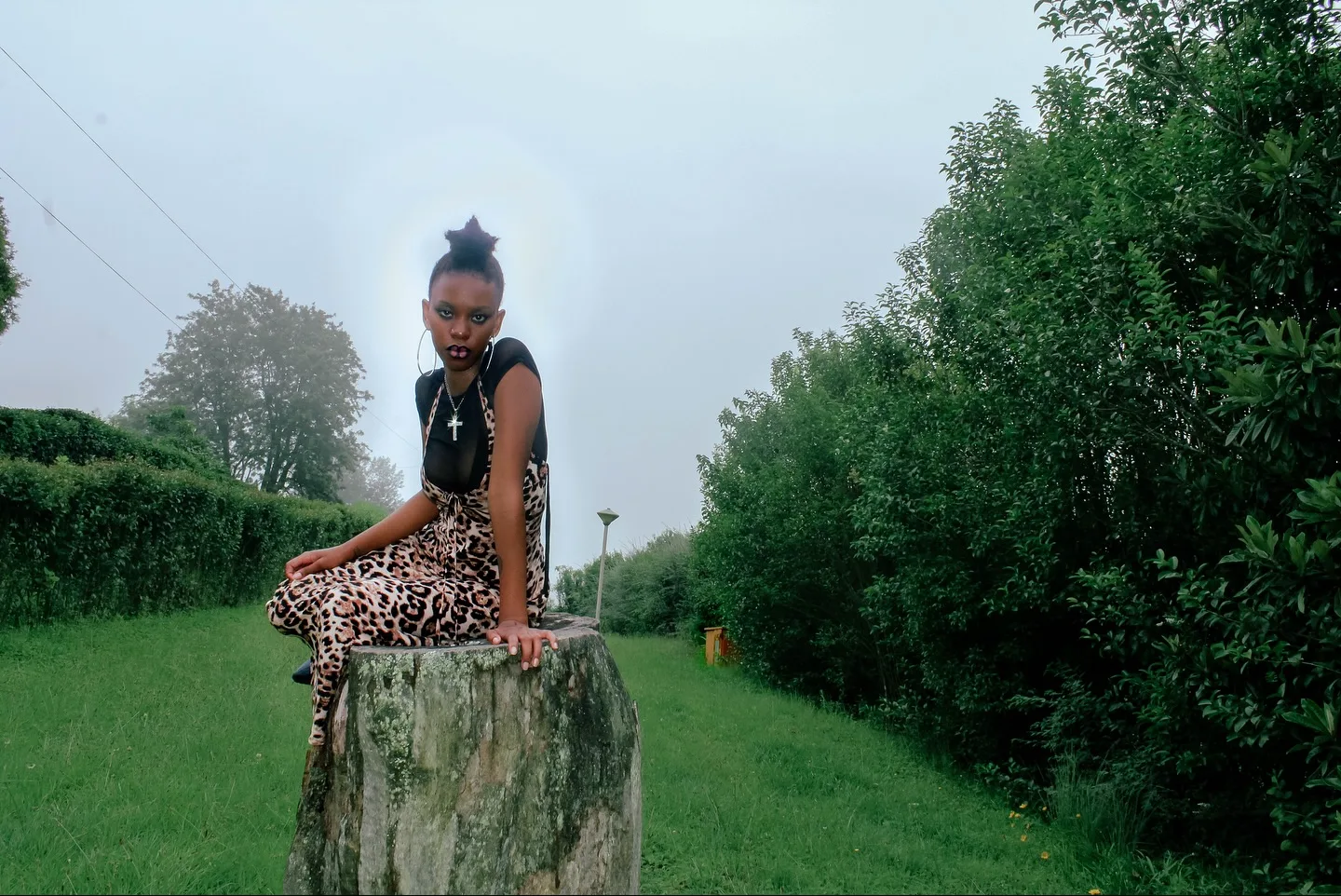
You were born in Eswatini and are now working within the South African hip-hop ecosystem. How has that cross-border identity shaped the way you document the culture?
Coming from a small, inherently conservative nation such as Eswatini – where there isn’t any real currency in hip-hop or music and creativity in general – paired with the positive contrast in the South African inspirationally progressive creative industry has helped me learn how to appreciate the arts and the artists. I feel the need to fight for more creative freedom, rights and opportunities because I don’t get to see that often and, even when I do, it feels like there are still so many big possibilities for the art that I have grown up to long and fight for. Seeing more artists be appreciated and respected is a lifelong dream.
Hip-hop journalism is often dominated by male voices. What invisible barriers have you faced as a woman reporting on rap culture?
Yeah, it is a pretty male-dominated industry, and I think a barrier I could say I’ve faced as a woman is that we are not as respected and appreciated. Perhaps because there aren’t many women in journalism, it’s an anomaly. On the one hand, because it’s so male-dominated, I suppose it’s easier to stand out as a woman in the field, but it’s just as easy to be overlooked because you’re “just a woman”. I am not denying the space that has been held for me and the positive experiences I have had, although it would be untrue to say I haven’t been in spaces where, because I am a woman, I am expected to be a woman and not be a journalist. Many artists complain that music journalism today is becoming “promo-driven” rather than critical. Do you believe hip-hop media in Africa still tells the truth? As journalists, our job is to be unbiased in our narratives and let the world decide whether or not they like something or someone with that information. However, even though I love it when people are nerds about certain topics, I do think that music journalism has become a bit more promo-driven because most journalists act from a point of favouritism rather than being nerds. We are a bit more focused on pushing our favourite artists than we are on pushing art culture, and I think that’s corrupted our reputation a bit. I wish we could all go back to just being nerds and not clout-chasing groupies. But in terms of whether I think hip-hop media in Africa still tells the truth, I think truth is subjective, and even though recently the media might be a bit more promo-driven, there is still truth in that because it serves as a perspective, but maybe not a solid source of information.
As someone studying broadcast journalism while actively covering music, how do you balance academic storytelling frameworks with the raw energy of hiphop culture? I am pursuing a degree that covers a lot of my major interests. Most days, what I learn in the field as a music journalist with SAHHR, I effortlessly apply in my schoolwork, and what I learn in school, I apply out in the media field, so the balance is almost always naturally there, because I am always open to learning. You interviewed artists early in their careers, like when you spoke with Uncle Waffles before her global explosion.
Some argue that amapiano has overshadowed hip-hop across the continent. Do you think hip-hop is losing cultural ground, or simply evolving?
I think everyone needs to take a deep breath and experience the music. I also believe that hip-hop and music are simply evolving as always. I think because amapiano is still a bit of a newer genre, it’s easier to consume, because nothing is entirely changing. We are still learning how to embrace it and sharpen it, but change is never easy to accept – even with the rise of amapiano, it felt like it threatened the art of deep house, for example. It took some adjusting to. The same goes for hip-hop, because it is such an old genre, it constantly feels like it is dying because it is changing. In order for us to move forward, we have to let go of the past and ultimately learn from it. Hip-hop will never stop changing (and neither will we as humans), and that transition is never easy, but I think for it to thrive as it always has, we need to continue to be more present and maybe less nostalgic or hostile towards new sounds. We are neither in the past nor in the future; we are in the now, and our role is to define the now.
As a journalist, have you ever had to write something honest about an artist you personally like and how difficult was that decision?
Once – it was only difficult because I was encouraged to write from a perspective I don’t normally write from. I wouldn’t even go as far as to say I wrote something honest about an artist I liked. I only think back on it because it was a time I wrote in a voice that wasn’t mine, and I never want to do that again, simply because it just wasn’t an honest reflection of me.
What is one uncomfortable truth about the African hip-hop industry that nobody wants to talk about?
The lack of support in the community. Apparently, it’s not aesthetically pleasing to support each other in the hip-hop community, and I think that needs to be addressed and needs to stop because it’s not only not okay, but it’s holding us back as a group. Teamwork really does make the dream work.
Finally, in one sentence, what does the future of African hip-hop look like through a woman’s lens?
The future of African hip-hop (and art) looks consensually trendy and profitably sustainable.