By the time A*POP arrived on 24 July, Tyla’s new era was already in circulation. Not only as music, but also as a set of images: the blush angled high across the cheek, the body paint, the stage silhouettes, the clothes that seemed to invite immediate fashion-page decoding…
It is easy to underestimate how much work an image does in a pop campaign now. A single frame can become a beauty reference, a styling note, a fan edit and a headline before the next appearance is even announced. Tyla’s rollout has understood that from the start.
What has made the A*POP visuals feel so deliberate is their consistency. The image holds whether it is seen from the crowd, cropped into a social post or reduced to a square on a feed. That kind of clarity usually points to a team working closely around the artist, with each person sharpening one part of the language.
These are the names helping to define that language.
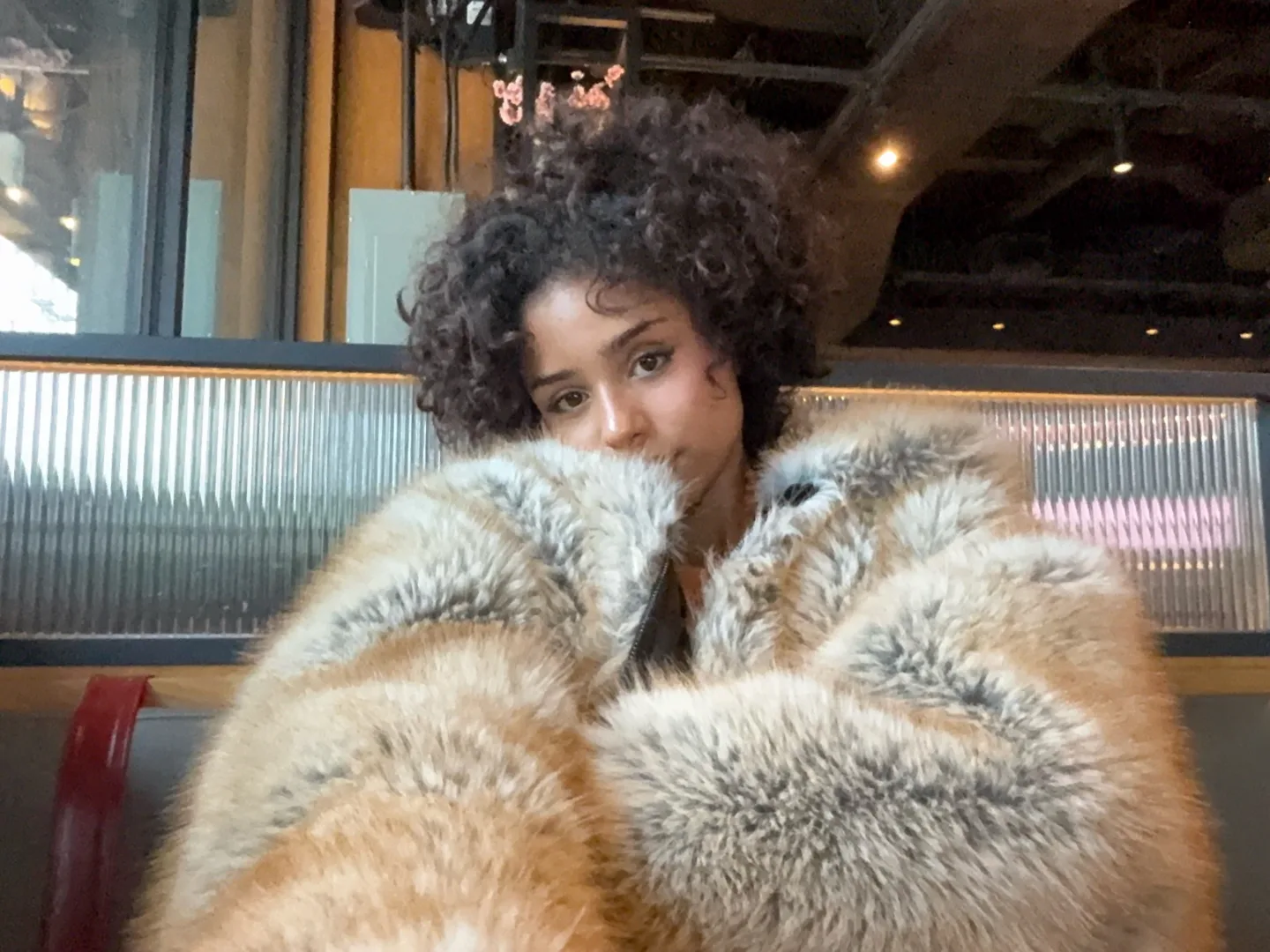
Clementine Morris, the photographer catching the charge
A concert photograph can flatten an artist if the timing is off. Clementine Morris’s images do the opposite. They make Tyla’s movement feel held for just long enough to study it, without losing the heat of the performance.
Working professionally as Clxmmorris, the London-based photographer has been following the A*POP rollout across stages in Morocco, Ibiza and Afro Nation. The pictures have the polish of campaign imagery, but they come from a much less controlled place: the pit, the crowd, the few seconds when light, costume and body line up.
That is where Morris is strongest. She understands how to let a performance look glamorous without sanding away its force. A raised arm, a turn of the head, a flash of fabric under stage light – in her frames, those details read as part of the choreography.
Her broader portfolio explains the trust. Morris has photographed Kehlani, Doechii, FLO and PinkPantheress, artists whose live energy depends on precision as much as on charisma. She brings that same instinct to Tyla, catching the instant when the image starts to feel iconic.
Morris’s path into the work was early and exacting. She has said she knew by 13 that photography was the goal. She was already working professionally by 15 and travelling into London for shoots before moving there at 18. A decade later, she is documenting one of pop’s most closely watched visual campaigns.
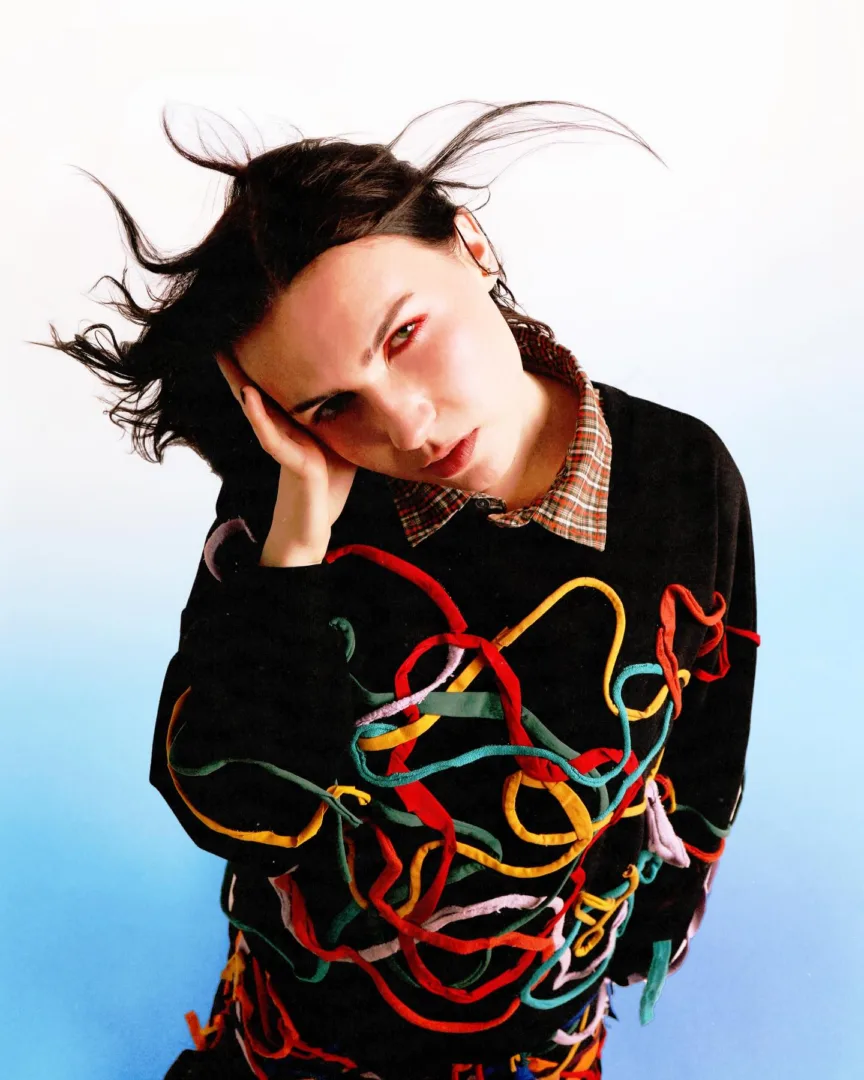
Ngozi Esther Edeme, the makeup artist giving the era its colour
The beauty has been one of the fastest-moving parts of the A*POP rollout, and Ngozi Esther Edeme is central to why it reads so clearly. Working as Painted by Esther, the Nigerian-born, London-based artist has given Tyla a makeup language that feels bright, sculptural and immediately recognisable.
Her lifted gradient blush has become a signature of the era. It sits high and clean, pulling the face upward while leaving the skin luminous beneath it. On Tyla, the effect is playful but controlled, the kind of detail that fans can copy and still trace back to the original.
Edeme’s colour choices are just as important. She uses neon and saturated pigment with confidence, letting the shades sit on deeper skin tones with clarity and richness. The makeup never feels incidental; it completes the look.
Her work with Tyla also predates this album cycle, appearing across the We Wanna Party Tour and the visuals for the World Cup track with Future. The body paint that has become one of the A*POP era’s recurring motifs belongs in that same conversation. It requires a steadier hand than beauty often gets credit for because every line sits directly on skin.
For A*POP, Edeme has pushed those codes brighter and cleaner, giving beauty its own place in the worldbuilding.
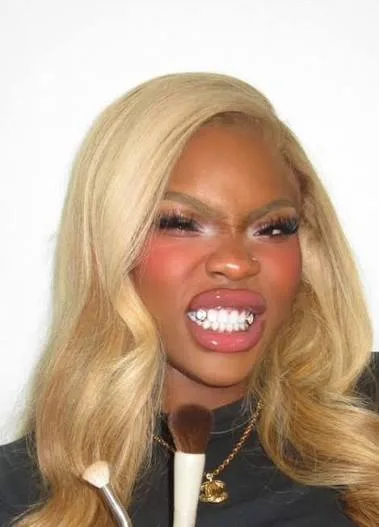
Ronnie Hart, the stylist bringing fashion memory into the frame
Tyla’s wardrobe in this era has worked because it feels intentional without looking over-explained. The clothes carry the mood quickly: sensual, sharp and playful, with enough fashion history behind them to reward a closer look.
American stylist Ronnie Hart has been one of the key hands behind that wardrobe. He is credited with many of Tyla’s archival looks, including the Dsquared2 she wore to the Grammys earlier this year, and his influence runs through the broader album imagery and music videos.
Archive dressing can look effortless on the page, but it is rarely simple behind the scenes. The right pull depends on taste, access, memory and timing: knowing the collection, finding the piece, securing the loan and making sure it can live on a performer’s body.
Hart’s best choices give the wardrobe a sense of continuity. They let Tyla step into fashion references without looking trapped by them, which is often the difference between a clever pull and a memorable look.
Lee Trigg, the creative director shaping the wider picture
Lee Trigg, the London-based stylist and creative director, has also been linked to several of the era’s high-visibility moments, including Afro Nation, the 2026 BET Awards and her World Cup appearances.
His presence points to the scale of the rollout. A campaign moving between performances, awards stages, fashion credits and global sporting moments needs more than clothes. It needs a clear eye on the whole frame.
That is where creative direction matters. Colour, proportion, set, image crop and the way a look will read after it has been flattened into a post all shape how an era is remembered. Trigg’s role sits inside that larger visual discipline.
Why the visuals matter
The reach of the A*POP image becomes clearer when the rollout is viewed as a whole.
The album arrived on 24 July with features from Babalwa M and MaWhoo. A day later, Tyla was billed for the WNBA All-Star halftime show. The era has stretched into fashion credits, performance imagery and a Bratz doll, complete with outfits drawn from her Met Gala appearance and stage looks.
That is a lot of visual territory for one artist to occupy. The look has to hold in motion and in miniature, under arena lights and on a phone screen, as a beauty reference and as a piece of merchandise. When it works, the audience starts recognising the era before they are told what they are looking at.
For Tyla, that recognition is already there. The saved images, copied blush, reposted outfits and instantly identifiable performance frames are part of the same machinery. A*POP has a sound, but its style is doing just as much to define the era.