
Long before conversations around global African hip-hop became commonplace, Jean Grae was already living proof that African identity and international hip-hop could exist in the same sentence. Born Tsidi Ibrahim in Cape Town in 1976, Grae grew up in New York after moving there with her family as an infant, eventually becoming one of the most respected lyricists to emerge from the American underground.
Her South African roots run deep. Grae is the daughter of legendary South African jazz musicians Abdullah Ibrahim and Sathima Bea Benjamin, placing her in one of the country’s most important musical families. Her parents’ relationship with jazz, composition and musical experimentation gave her an unusual foundation for a career that would eventually see her become one of hip-hop’s most technically gifted MCs.
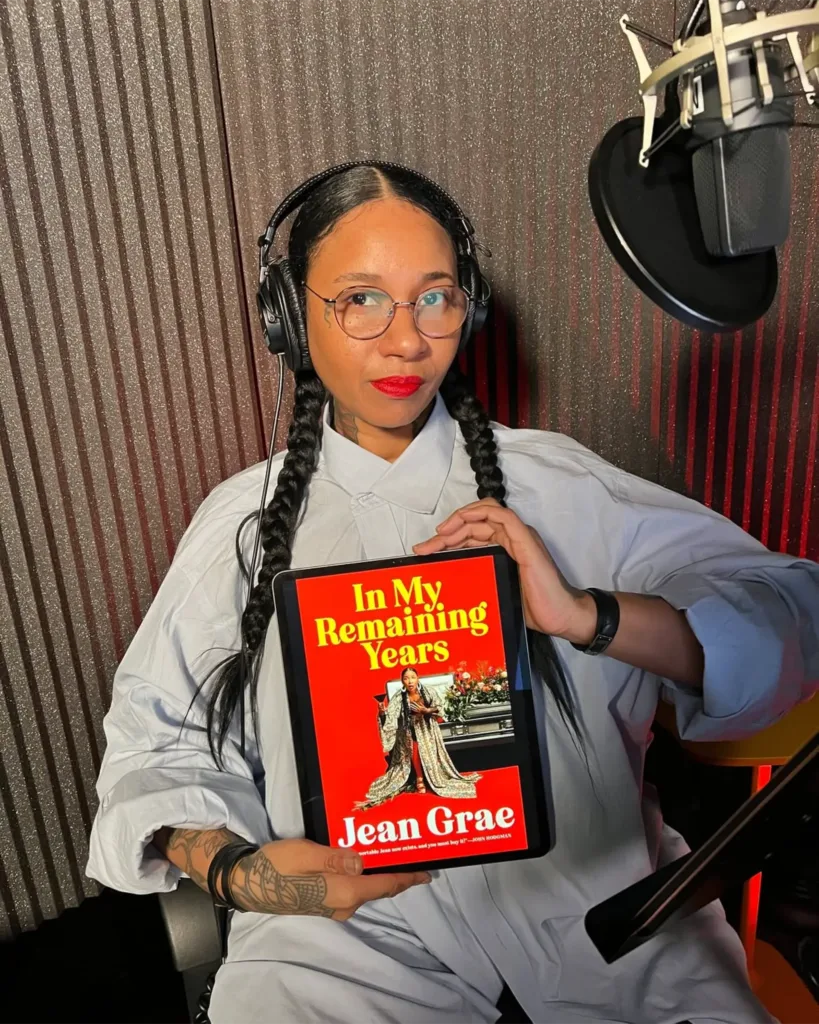
That family connection is particularly important when looking at Jean Grae’s story from a South African perspective. Her connection to the country wasn’t simply a birthplace listed in her biography. In interviews, she has spoken about returning to South Africa, reconnecting with family and experiencing the country as an adult. She has also spoken about wanting to bring her music home and perform for audiences who might not otherwise have access to her work.
Musically, Grae built her reputation in the New York underground during the 1990s before emerging as a solo artist in the early 2000s. Initially performing under the name What? What?, she was part of Natural Resource before adopting Jean Grae and beginning a solo run that would establish her as a formidable writer, producer and MC.
What made Jean Grae different was never simply that she was a woman who could rap. It was that she could really rap. Her writing was dense, technical, darkly funny and often deeply personal. Pitchfork has described her as one of rap’s greatest lyricists, while AllMusic highlights her intricate, polysyllabic rhyme schemes and biting humour.
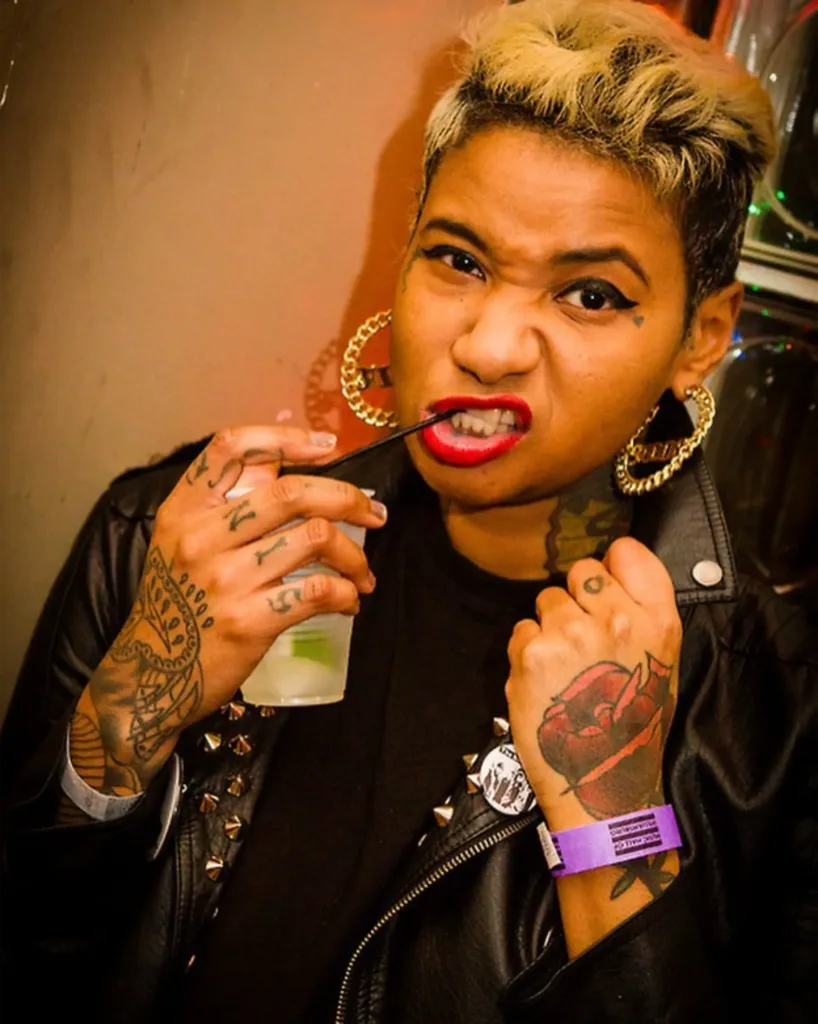
Her 2002 debut, Attack of the Attacking Things, announced an MC who wasn’t interested in fitting neatly into the expectations surrounding women in hip-hop. Projects including The Bootleg of the Bootleg, This Week and eventually Jeanius further established her reputation among serious rap listeners. Jeanius, produced with 9th Wonder, became particularly celebrated despite the complicated history surrounding its release and earlier leak.
And that is where the argument for Jean Grae as a top-five female rapper becomes difficult to ignore. Of course, any top-five list is subjective. Hip-hop has too many legendary women to make the conversation simple: Lauryn Hill, Rapsody, MC Lyte, Queen Latifah, Missy Elliott, Lil’ Kim, Foxy Brown, Eve, Remy Ma, Nicki Minaj and countless others have all changed the culture in different ways. But if the criteria are pure lyricism, storytelling, technical ability, originality and consistency, Jean Grae absolutely belongs in that conversation.
Her influence is also bigger than the size of her commercial footprint. Grae never needed to become the biggest-selling female rapper in America to become an MC’s MC. Her respect has often come from other artists, writers and serious hip-hop listeners who understand exactly what she is doing with words. She has worked with and earned admiration from artists across the hip-hop spectrum, while her catalogue continues to be revisited by listeners looking for substance beyond mainstream rap.
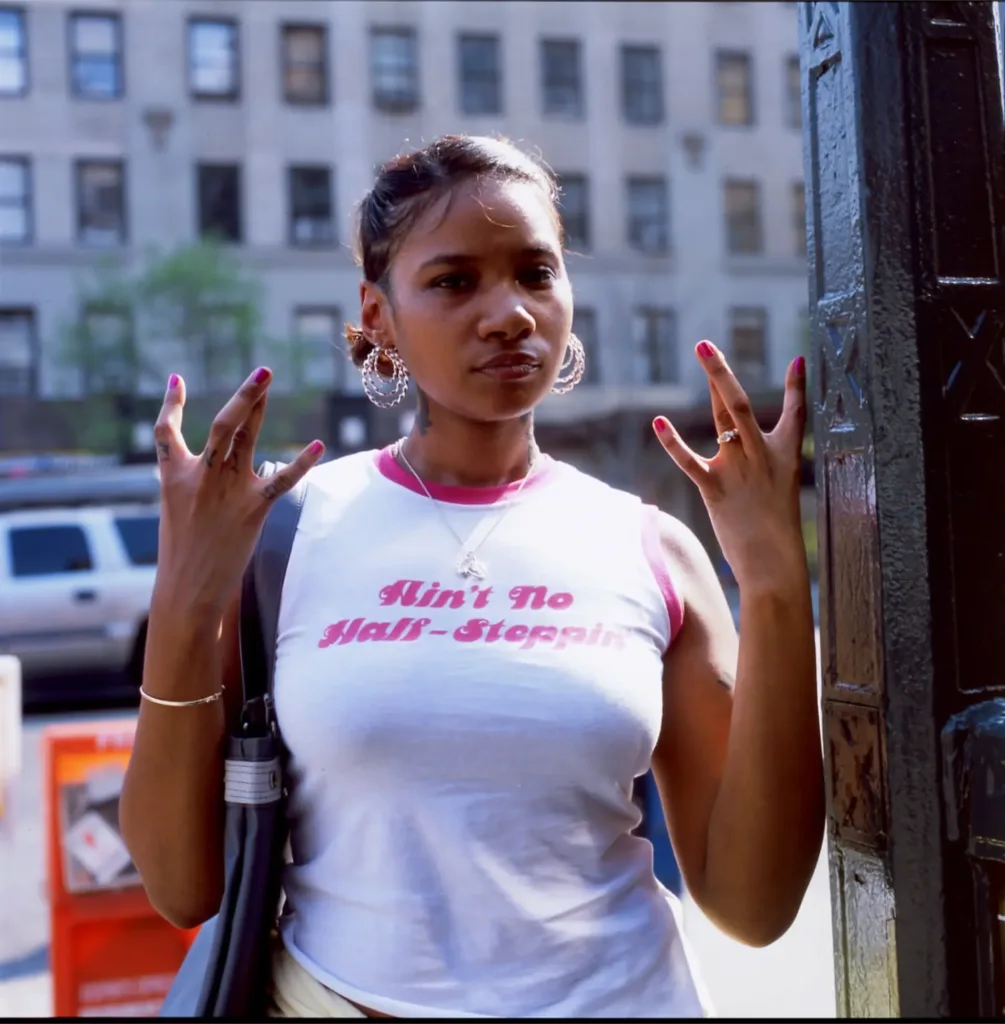
Perhaps that is why her music has crossed borders in a way that deserves more attention from South African hip-hop. Jean Grae represents an early example of an African-born artist developing an international identity without completely disconnecting from where she came from. Her music travelled from New York’s underground to audiences around the world, while her South African heritage remained an important part of her story.
Her career also challenges the idea that an artist needs to be confined to one role. Grae has written, produced, rapped, acted, performed comedy, hosted, directed and explored numerous creative disciplines. In fact, she has spoken about the frustration of being reduced to the label of “female rapper” when her creative abilities extended far beyond rapping.
That versatility feels particularly relevant today. The modern African creative is increasingly expected to move between music, fashion, film, comedy, writing and business. Jean Grae was doing that long before the current creator economy made being a multi-hyphenate fashionable.
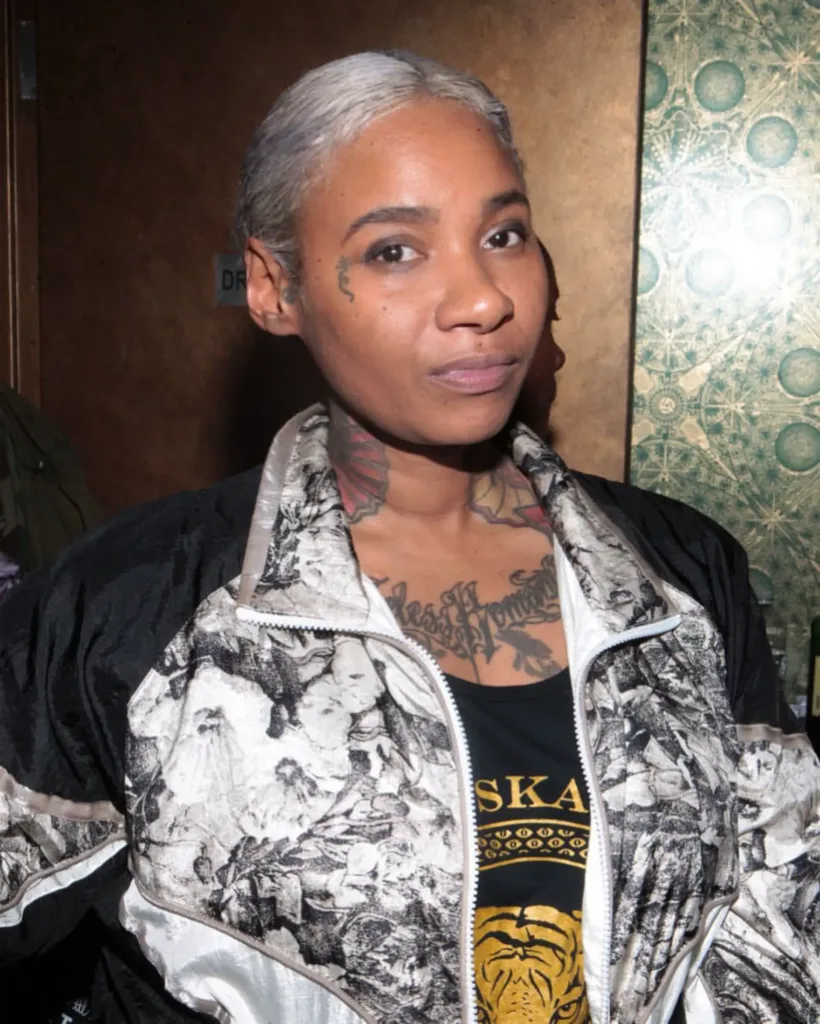
Her story is also a reminder that South Africa’s influence on global hip-hop didn’t begin with the current wave of African artists breaking internationally. There is a much longer history of African-born musicians carrying their identities into international spaces. Jean Grae sits in that lineage, connecting the musical traditions of Cape Town with the lyrical traditions of New York.
And perhaps the most fascinating part is that her story remains unfinished. Jean Grae may have spent much of her career outside South Africa, but Cape Town is permanently embedded in her story. She is the daughter of two South African jazz legends, a product of New York’s underground hip-hop culture and an artist whose work has travelled far beyond both places.
That makes her more than just another respected female MC. Jean Grae is a South African musical export. A global hip-hop figure. A writer’s rapper. An MC’s MC. And if we’re talking purely about the art of rapping, her name deserves to be in every serious conversation about the top five female MCs of all time.
Because Jean Grae didn’t need to follow the rules of the industry to prove she belonged. She simply kept proving she could out-rap the room.