For nearly two decades, T-Squared has grown from a school hustle in Gugulethu into a South African streetwear brand rooted in local culture, craftsmanship and community. What began with printed T-shirts sold to schoolmates has evolved into a fully-fledged operation with its own production process, e-commerce platform and a growing presence beyond its hometown.
At the heart of T-Squared’s story is a commitment to producing locally and creating opportunities through skills development. From training young people in garment production to celebrating South African heritage through its collections, the brand has built its identity around more than just clothing.
In this conversation, we sit down with T-Squared to unpack the brand’s journey, the influence of Gugulethu, the evolution of South African streetwear, the importance of local manufacturing and what it takes to build an enduring independent fashion label in South Africa.
T-Squared has grown from its beginnings into an established South African streetwear brand. Looking back, what do you think has been the biggest turning point in the brand’s journey?
The biggest turning point of the brand was taking full ownership of our production process, ownership of our equipment and utilising our e-commerce website to enhance the sales and growth of our business. This strategy has helped us grow our business from a revenue point of view and also our turnaround time for delivery has improved enormously. Online marketing plays a huge role in the business of retail today, and this has also helped our business in terms of getting the word out.
When I started T Squared, I sold printed themed T- shirts to my school mates in high school and moved to University to do the same. E-commerce managed to create a whole market outside of the foot traffic into our stores in Gugulethu.
How has your hometown influenced the identity, aesthetic and philosophy of T-Squared?
Gugulethu is where the brand was born, and this place has always been known for producing individuals who are stylish, trend-setters and people into fashion. This has made it easier for our people to find relatability to our brand. Ultimately, this has been a great fuel for the growth of our business. When I created the brand, we didn’t have an authentic Gugulethu streetwear brand that represented culture, community and people. Now, T – Squared is woven in the hearts of Gugulethu, Cape Town and is slowly growing across the country. Growing the business in Gugulethu has been one of the greatest gifts. I am saying this because we have received encouragement and support since inception.
The brand has always placed a strong emphasis on local design and manufacturing. Why is producing locally still important to T-Squared in an industry where overseas manufacturing can often be cheaper?
Producing locally gives originality and authenticity to our brand, this is how we stand out as opposed to those that have their products made outside the country or borders. Also, when customers visit our factory space they get an in-store experience in seeing their products come to life. Plus, we hire and train locals using our resources to teach young people how to sew, construct a garment, cutting, stitching, finishing and pressing. This way we’re creating employment opportunities and empowering the community through skills development and transfer.
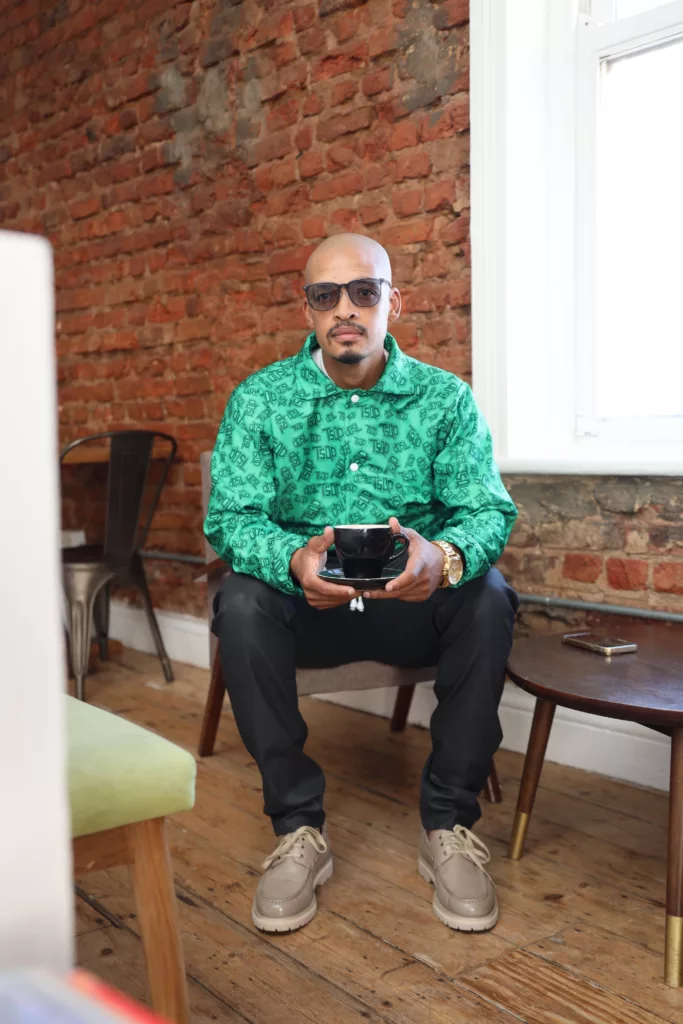
Streetwear has evolved significantly since T-Squared first entered the market. How have you seen the South African streetwear landscape change, and how has the brand adapted with it?
The street wear landscape has changed In SA. This has been shown through our clientele base who believe in local production because the quality which we deliver is equivalent or rather at the same level as big corporations and customers have actually noticed that transition in local fashion designers. Local fashion designers have also pulled up their game in terms of taking their crafts seriously and are competing with giant retailers in South Africa. We have adapted by noticing that the market changes all the time and one has to be mindful of these changes, while applying them to our business to stay relevant.
What does ‘South African streetwear’ mean to you today, and do you think local brands are doing enough to develop a distinct identity rather than simply following international trends?
South African streetwear brands have created an identity for themselves in the South African landscape through their designs ,which reflects and celebrates our heritage. So for example, at T-Squared, we have our annual heritage month collection which we have been designing over the years, and our customers have shown a great response to our collection. This is definitely what the international competitors do not have. To us, this collection reflects originality, and gives our products an authentic touch that our clients can resonate with.
T-Squared has collaborated with major brands. What do you look for when deciding whether a collaboration makes sense for the brand?
When we look out for collaborations for our brand, alignment forms a huge part in deciding who we ultimately decide to work with and also the benefit of our brand in terms of growth is also something we look into when deciding whether a collaboration makes sense for the brand. Early in our journey, we have collaborated with Aperol Spritz, an international alcohol beverage to design their padel tournament apparel. This collaboration made sense in our business because the items which we designed in this partnership were items that were similar to what we have produced in our spring and summer collection for 2023.
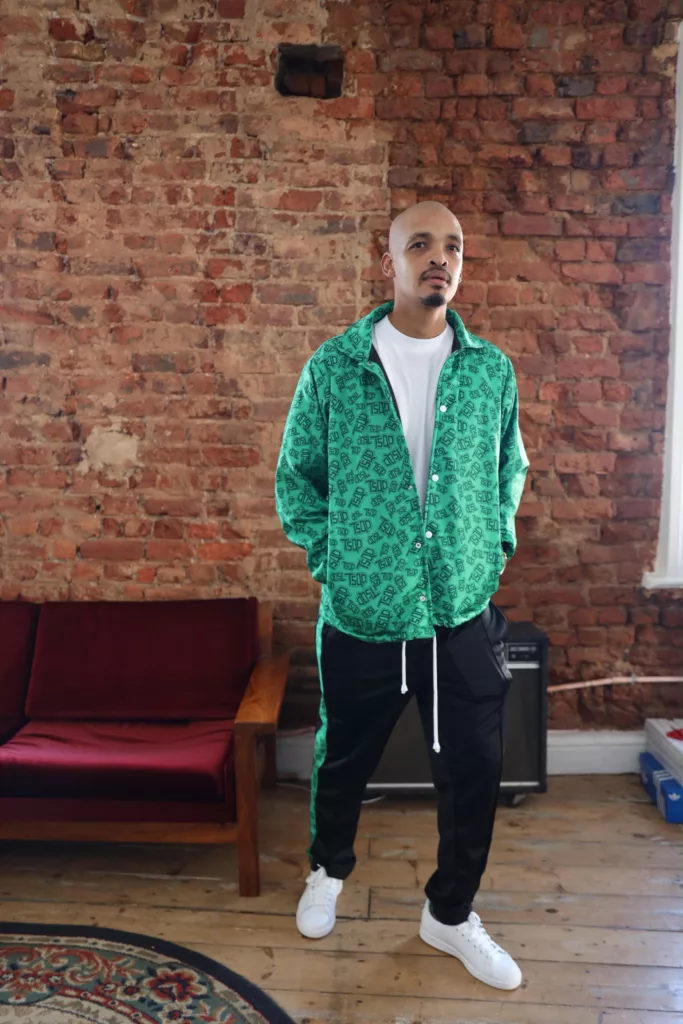
After nearly two decades in the industry, how do you keep the brand creatively fresh while remaining true to the DNA that your audience knows and loves?
Keeping the business true to the culture and fresh creatively, we look at what is happening in the country in terms of trends without deviating from our core values and our brand bible as a brand. T-Squared has a strong emphasis on quality, craftsmanship and youth empowerment. These have carried us through the growth of our business. Our target market is students and the young working class between the ages of 18 -35. We understand our target market and we deliver exactly what they prefer to wear without deviating to our brand hues.
T-Squared has a strong emphasis on quality, craftsmanship and youth empowerment. How important is it for a clothing brand to have a purpose beyond simply selling clothes?
The purpose for any structure or business provides guidance, and we’ve always been true to our purpose as a brand. Our purpose at T-Squared is simply to educate the youth of South Africa about the importance of local craft production and showing them that it is possible through entrepreneurship. We have always lived the purpose of our brand and this helps our business. Each and every year we take in student(s) from TVET institutions or Technology Universities into our business for an in-service training which forms part of the school syllabus.
What are some of the biggest challenges facing independent South African fashion brands right now, particularly when it comes to manufacturing, retail and competing with international labels?
The biggest challenge that we face today as South African independent brands today is the struggle of finding the right equipment and suppliers of materials for our businesses in South Africa, everything is produced in China. Secondly, the speed of work is a bit slower locally than when you produce outside of the country borders. However, I believe through the support of our government assistance programmes (such as SEDFA, NYDA) we shall be able to curb all the challenges that we continue to face.
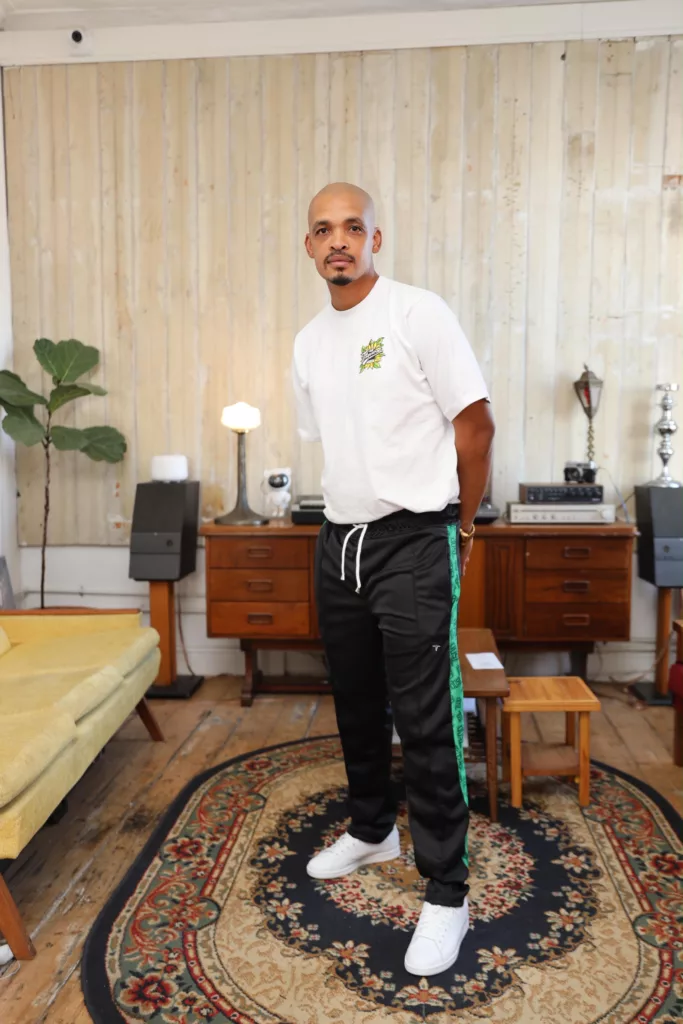
Looking ahead, what is the next chapter for T-Squared? Are you focused on expanding within South Africa, taking the brand further across Africa, or ultimately building a global streetwear label?
We want to be intentional about opening stores. That’s where we are at and acquiring more business assets that will take our business to the next level. Creating a strong online digital footprint for our business and our vision for the brand is to become the leading street and urban wear brand in South Africa.
We also want to invest in the community and the youth. We want to start sewing masterclasses. Hopefully we can partner with a brand that’s passionate about youth development and skill transfer.