From a concept born out of the uncertainty of the COVID-19 era to two distinct dining destinations with ambitions to grow beyond Johannesburg, Ūkko and Vlāmo represent a story of resilience, evolution and an uncompromising approach to hospitality. Ūkko was created to bridge the gap between casual and fine dining, offering guests an experience that felt accessible yet elevated. Five years later, Vlāmo builds on that foundation with a more luxurious, Mediterranean-inspired concept centred on “elevated simplicity.”
Can you tell us the story behind UKKŌ and VLĀMO? What inspired the concepts, and how do the two restaurants differ?
UKKŌ was a concept created during COVID, at a time when restaurants were shutting down and the industry was facing an incredibly uncertain future. It actually came out of a very dark situation. We saw a gap in the market between casual dining and fine dining and wanted to create something that could exist in that space.
We wanted guests to experience a restaurant that felt casual and approachable, but wasn’t too casual, while still offering the level of service you would expect from a fine-dining establishment.
At the time, it really was our last shot. We wanted to build something after COVID, and it felt like a do-or-die concept. If it didn’t work, we wouldn’t be here today.
Five years later, here we are with VLĀMO Restaurant. We followed the same philosophy when it came to naming the concept. UKKŌ is the god of thunder, while VLĀMO is the goddess of water. We’ve continued with the idea of naming our restaurants after gods and goddesses.
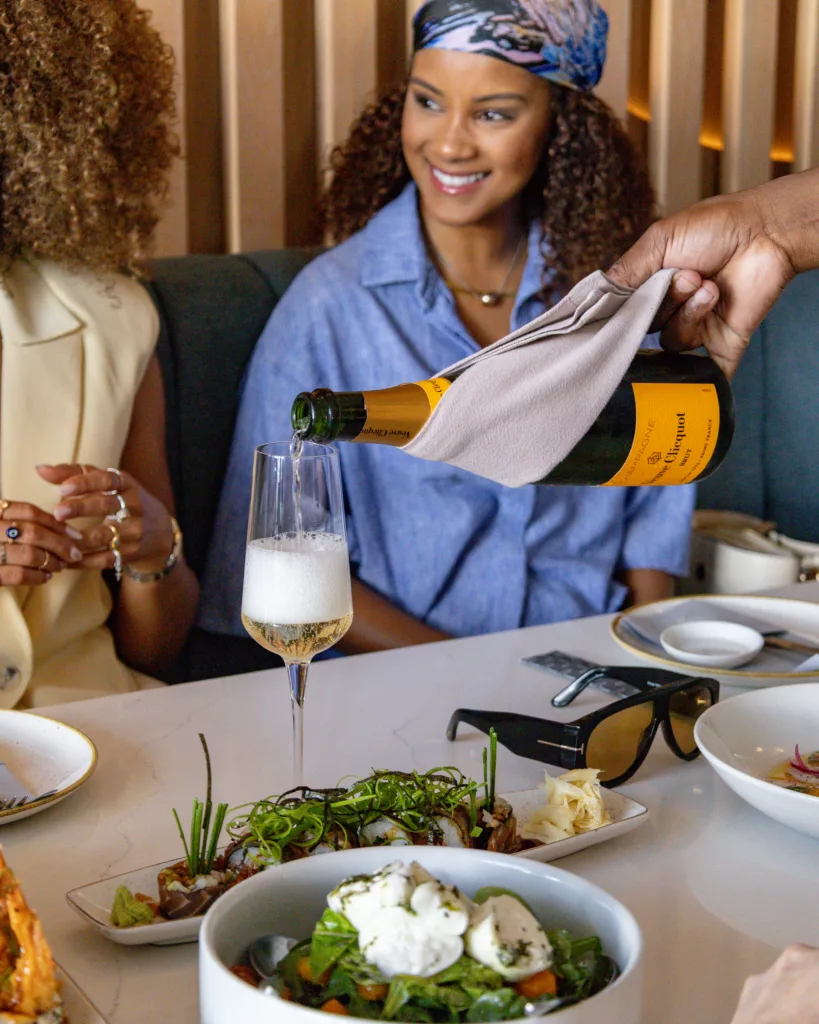
VLĀMO is a more luxurious concept, and the offering is completely different. We’ve taken a more Mediterranean approach. UKKŌ focuses on a Mediterranean-Asian offering with accessible, everyday food, while VLĀMO is more modern and refined.
The focus at VLĀMO is on elemental dining and elevated simplicity. There are never more than three ingredients on a plate. Everything is intentional.
Both restaurants have built distinct identities. How would you describe the experience you offer your guests?
I would describe it as fun and easy. You should feel welcome the moment you walk through the door.
You’ll also notice our approach to service. We’re very focused on detail and attention throughout the entire dining experience – from the moment you arrive to the moment your plate reaches the table. Those elements are important to us at every stage.
What has been the biggest challenge in managing two successful restaurants?
The biggest challenge has been people. Managing 210 people is challenging. We’ve grown from 38 staff members to 210 across UKKŌ, VLĀMO and The Central Kitchen. People management is a very difficult job, particularly in an industry that is constantly changing. I find that the younger generation isn’t always interested in hospitality. They want to pursue different career paths, so finding people who genuinely want to be in the industry can be challenging.
That said, we’re blessed to have a unique team of individuals who want to grow and build careers in hospitality.
At UKKŌ, I have staff members who have been with me for the last 15 years. They’ve opened multiple stores with me, and we’ve promoted people from within the business into management positions.
Most of the people working on the floor have been with us for nine years or more. To me, that says a lot. It means they’re happy, they’re comfortable, they see growth opportunities, and they feel like they’re part of the journey.
South Africa’s restaurant industry is highly competitive. What do you believe sets UKKŌ and VLĀMO apart from other dining destinations?
Honestly, I don’t know if I would describe the industry as highly competitive. I think people are fighting for space – not necessarily in terms of food and service, but in terms of location.
Within this square mile, there are very few places where you can operate a successful business based on location alone. Operators are competing to secure the best spaces.
Take Sandton Gate, for example. It was a complex that everyone wanted to be in, but only three restaurants ultimately made it there.
When it comes to industry standards and competition, there are a lot of restaurants out there. There are also many beautiful, aesthetically pleasing spaces, but you can sometimes end up with mediocre food and service. That was a concern for me.
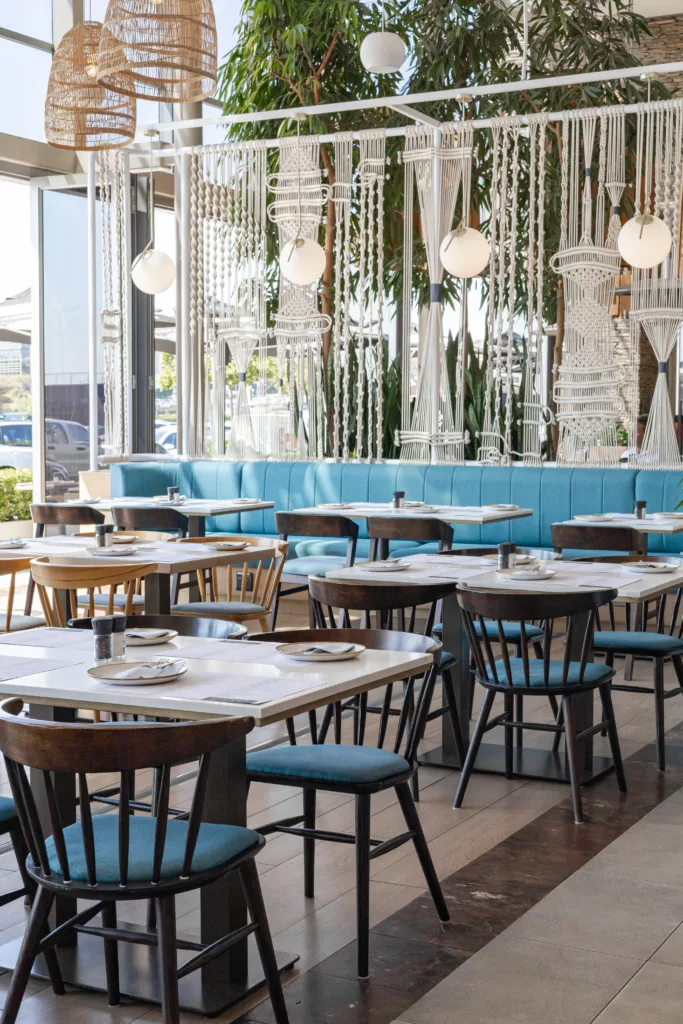
With VLĀMO, I wanted to make sure we delivered on all three elements: amazing aesthetics, exceptional food and excellent service.
If we want to become one of the top 10 restaurants in Johannesburg, we have to deliver across all three, and I believe we will.
Food trends are constantly evolving. How do you balance staying innovative while maintaining the signature dishes your customers love?
Our concept is very simple: no gimmicks and no chasing trends.
We don’t build our menus around trends, and we don’t build our cocktail or wine lists around them either. We keep our food simple and understand the South African palate and market.
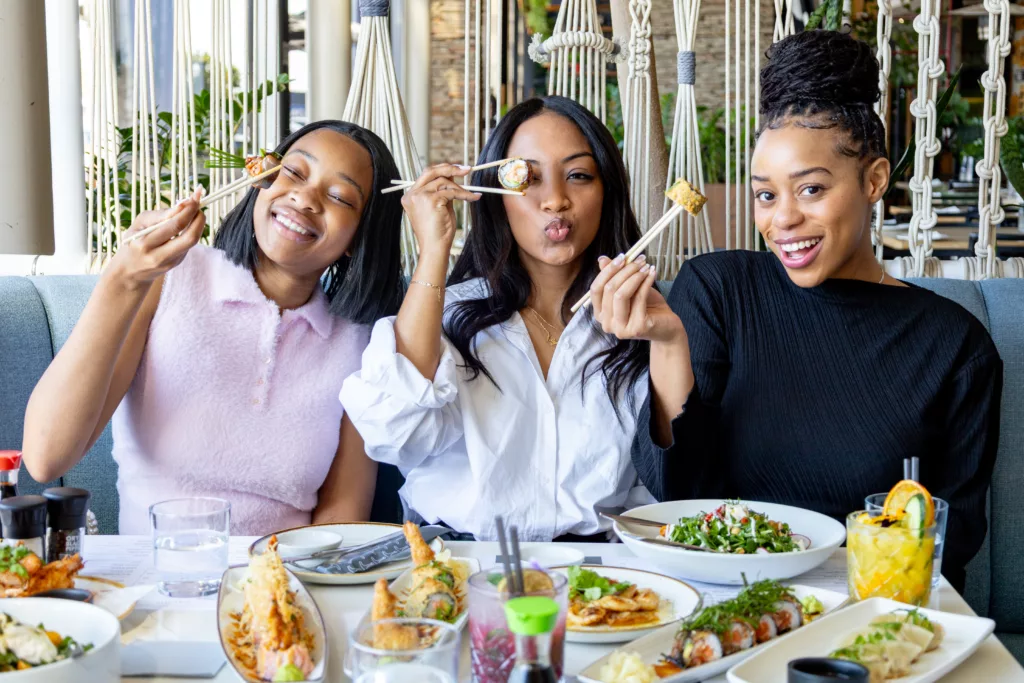
At our mixology bar, we’ve gone back to classic cocktails, and we avoid gimmicky elements both at the table and behind the bar.
Looking ahead, what are your growth plans for UKKŌ and VLĀMO? Can customers expect new locations, collaborations or menu innovations?
We’re looking at one more location for UKKŌ, potentially in another city. Cape Town is one of the cities we’re considering, and we’re looking at the same possibility for VLĀMO.
We hope to expand, but there’s also a new concept in the pipeline. It will be more entertainment-focused, and we’re looking for a very upmarket rooftop location.
As you know, there aren’t many truly upmarket rooftops in Johannesburg. We’re looking to create one of the most sought-after rooftop destinations in the city very soon.
Finally, what advice would you give to aspiring restaurateurs who want to build a brand that’s both commercially successful and culturally relevant?
Hard work never killed anyone. You have to be prepared for the long hours and the disappointments. That’s part of the game.
I always say that if something feels too easy, you’re probably not doing it right — or it’s not going to be a great concept.
If it’s difficult, it means you’re doing something that not many people can do.
Building VLĀMO was extremely hard in every aspect. But when something is difficult, that’s when you realise you’re creating something different — something that not everybody else is doing.