In Botswana’s ever-evolving creative landscape, few platforms have carved out a space quite like Perfect Noise. What began as a small open-mic event has grown into a multidisciplinary platform championing emerging artists, celebrating different genres and bringing young creatives together under one roof. At its heart is a simple but powerful belief: what some may dismiss as “noise” can be art, expression and, for many, the beginning of a career.
Now eight years into its journey, Perfect Noise has become a home for Botswana’s young creative community. It is a space where emerging performers can share a stage with established names, experimentation is encouraged, and music, fashion and culture intersect. With ambitions extending beyond Botswana’s borders, the platform is working towards a more connected Pan-African creative future. We sit down with Tiisetso Mathole, one of the minds behind Perfect Noise, to unpack its origins, the realities of sustaining an independent platform, the importance of creating opportunities for emerging talent and the vision for taking Botswana’s creative voices across the continent.
Take us back to the beginning—what inspired you to create Perfect Noise, and what gap did you feel existed in Botswana’s events and music scene?
Around the time we started Perfect Noise, I was attending many open-mic events and becoming increasingly interested in how live shows were put together. Before Perfect Noise, there was an event called Sunday Camp, which was run by a friend of mine. It followed a similar format: an established act would headline, while emerging artists were given opportunities to perform as supporting acts. When my friend left to pursue his studies in Zambia, he encouraged me to start an event of my own.
Initially, I was hesitant because I had never imagined myself organising shows. However, through that experience, I began learning about production, ticketing, sound and artist coordination.
I was fortunate to have the support of my co-founders, Kizito “Kizi” Bonna, Pimz and Phenyo Kenosi. We were friends brought together by our love for music. We could spend an entire day listening to records, discussing artists and discovering new sounds. We also had talented friends who needed platforms on which to perform. That was the gap we wanted to address. We wanted to create a space where artists could be seen, experiment with their craft and perform in front of audiences that were genuinely interested in discovering something new.
What does the name Perfect Noise represent, and how does that philosophy shape the event?
The name comes from an experience many young African creatives understand. Sometimes, our parents or families view our creativity as a distraction rather than something that can become a meaningful career.
If you are a rapper recording in your bedroom, someone may tell you to “turn off that noise.” If you are constantly rehearsing, writing or creating, people may not immediately understand why it matters so much to you.
But to the person creating it, that “noise” is something beautiful. It is personal, meaningful and perfect in its own way.
Perfect Noise takes something that may be dismissed and gives it value. It is a declaration that our voices, sounds and forms of expression deserve to be heard. We wanted the platform to become a launch pad for careers and a discovery space where different kinds of art and music could coexist.
Perfect Noise is like a siren or a call. It draws people towards creativity that might otherwise be overlooked. For many of us, it has also become a creative sanctuary.
Botswana has a unique music culture and a growing creative scene. How would you describe the current state of Botswana’s live entertainment industry?
Botswana’s live entertainment scene is active and diverse. On any given weekend, you can find jazz events, R&B experiences, hip-hop shows, cultural festivals and platforms like Perfect Noise that focus on younger and emerging audiences. There is something for almost everyone, and that is a positive sign for the development of our creative industry. We have talented artists, passionate event organisers and audiences who are interested in different cultural experiences. However, the industry still needs stronger infrastructure. We need more accessible venues, greater corporate investment, improved touring opportunities and more consistent support for independent creative platforms.The talent and ideas are already here. What we need are systems that allow those ideas to grow into sustainable creative businesses.
Would you say these events are well supported?
Support is complicated. An event can receive a lot of attention online, but that engagement does not always translate into ticket sales or physical attendance.
People may like, share and comment on promotional content but not necessarily purchase tickets. For independent organisers, that gap can make it difficult to sustain an event, regardless of how positively people respond to it online.
Accessibility is another challenge. Organisers do their best to keep ticket prices affordable, but producing a quality live experience is expensive. There are also limited venues that are both suitable and financially accessible to independent promoters.
Support must go beyond online engagement. It means buying tickets, attending events, sharing opportunities and investing in the platforms that are developing local talent.

What has been the biggest challenge in establishing and sustaining Perfect Noise?
Financing has consistently been our biggest challenge. Eight years into the journey, Perfect Noise remains largely self-funded.
We started as a relatively small open-mic event, but it has developed into a full live production. A Perfect Noise show can require sound equipment, keyboards, drums, rehearsals, technical personnel, stage management, décor, photography, videography, marketing and artist support. Producing the kind of experience we envision comes with significant costs.
Members of our team have full-time jobs, and for many years, we have used our own income to keep the platform moving. There have been shows where we made a profit, but there have also been many occasions when we simply broke even or personally covered the shortfall.
What has carried us through is our belief in the platform and the community around it. We have continued learning how to improve our production, marketing, partnerships and revenue model. The goal now is to turn the cultural impact we have built into a sustainable organisation that can continue serving artists without constantly depending on personal funding.
How intentional are you about creating a platform for emerging Botswana artists, DJs and other creatives?
That is the central purpose of Perfect Noise.
Botswana has many talented artists who are ready to be discovered but may not know where to begin. Others may not fit comfortably into existing platforms because their music, image or artistic approach is experimental.
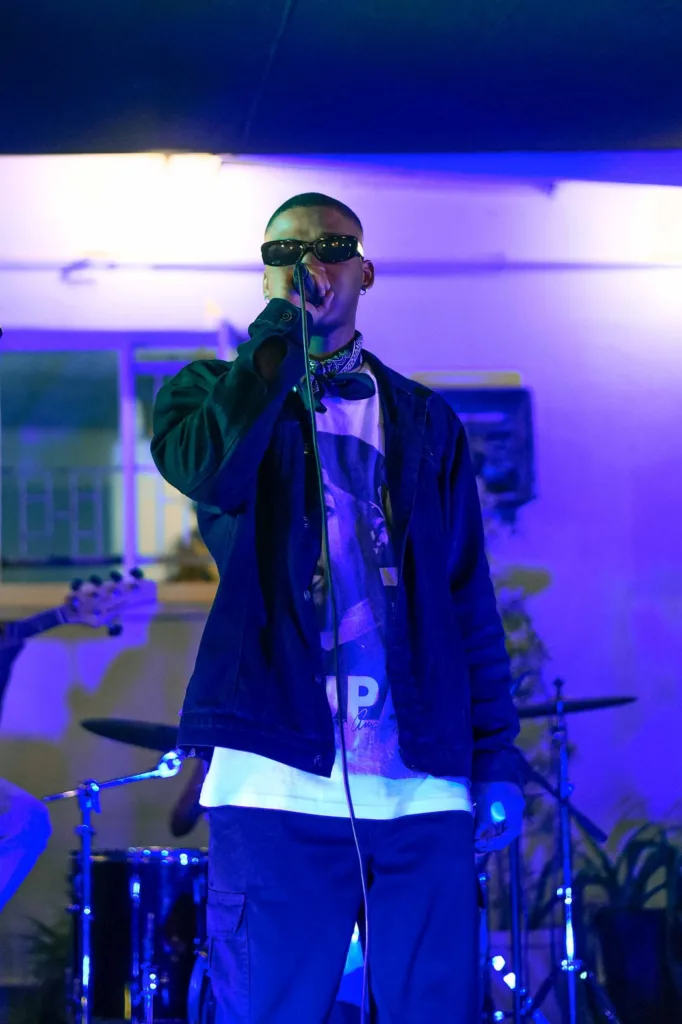
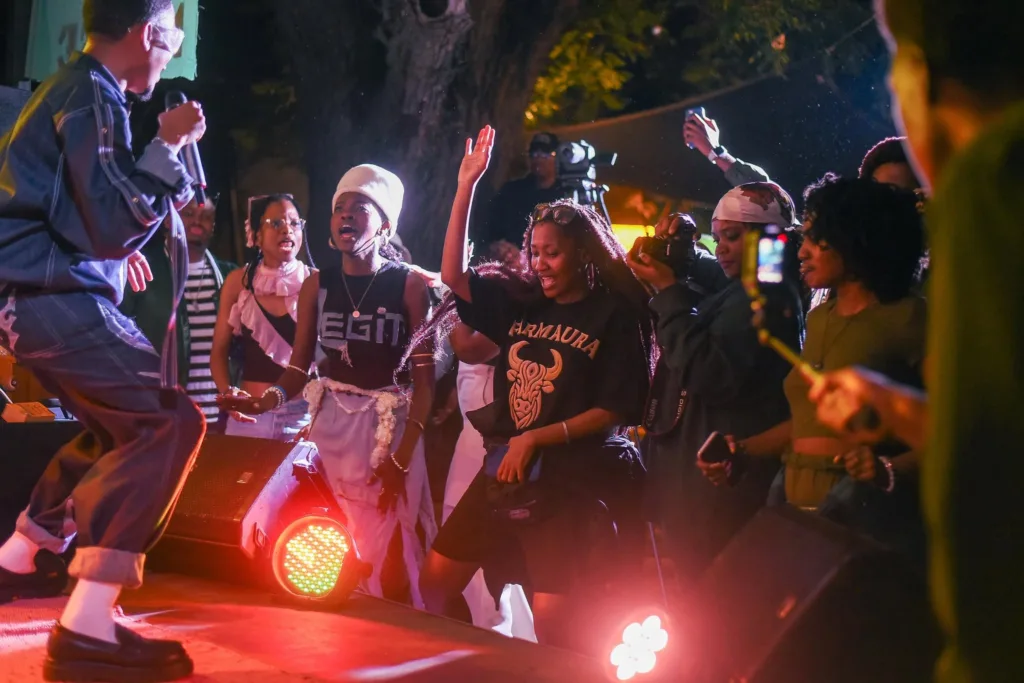
We want Perfect Noise to be a welcoming creative sanctuary where artists can develop without feeling that they must already be famous or commercially established. An artist with only a few songs on SoundCloud can share a stage with an award-winning performer. What matters to us is the potential, the originality and the willingness to grow.
Over the past eight years, Perfect Noise has collaborated with hundreds of artists and creatives. That history reflects our commitment to opening doors and building a community, rather than simply booking whoever is already popular.
What goes into curating a Perfect Noise lineup?
Curation has become one of the most exciting parts of Perfect Noise. In the beginning, we would put together a group of artists and present the lineup to the audience. Today, our approach is more intentional. We create themed experiences, consider how each performer complements the next and shape the atmosphere of each show around its headliner.
Artists send us their music, but we also actively search for new talent. We pay attention to what is happening online, in studios and within different creative communities.
One example is Thuli T, a female rapper who began gaining attention by posting videos of herself freestyling in her car. I came across her videos and was immediately interested in her confidence and potential. We invited her to perform at Perfect Noise, and she has since appeared on our stage twice. She has continued growing, released a project and become part of an exciting generation of women shaping Botswana’s rap scene.
Every show carries a different feeling. If the headliner draws strongly from traditional sounds, we may develop a lineup that speaks to that musical identity. Our Halloween editions, on the other hand, tend to lean towards underground and experimental hip-hop.
We do not want every edition to feel the same. Perfect Noise should remain a place where audiences can discover artists and encounter sounds they were not expecting.
As a platform based in Botswana, do you have ambitions to expand across the continent?
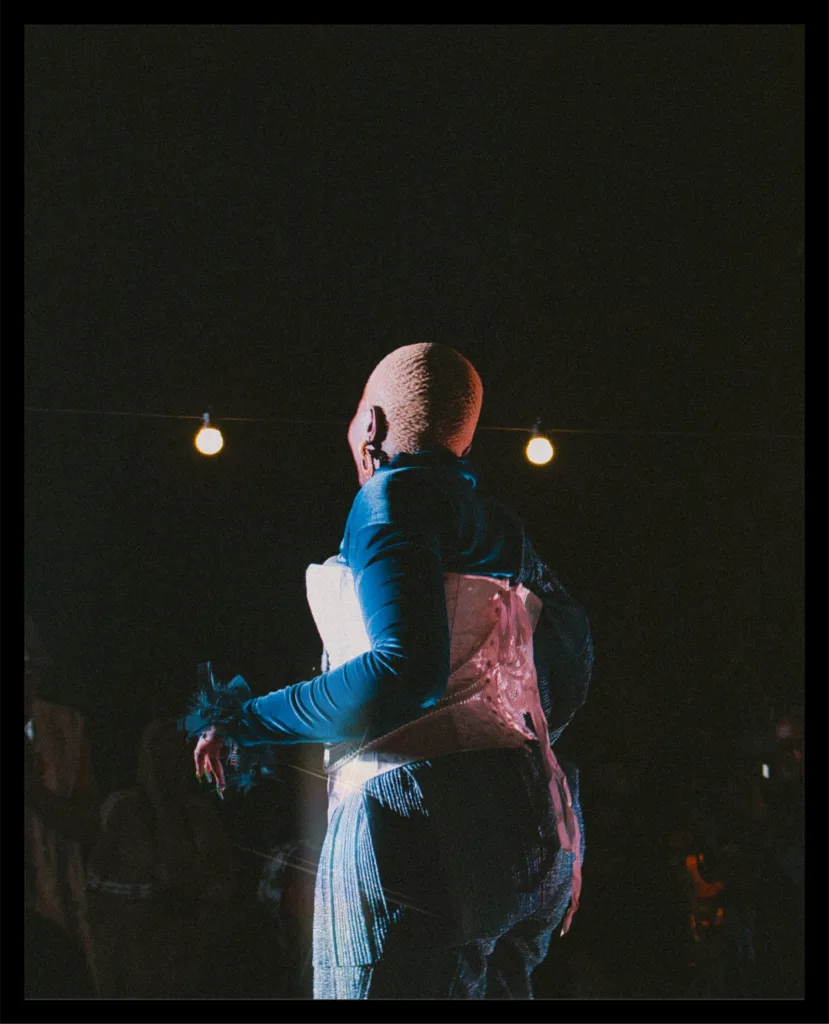
Perfect Noise has always had a Pan-African vision. We want it to become a platform that connects African artists and audiences across borders.
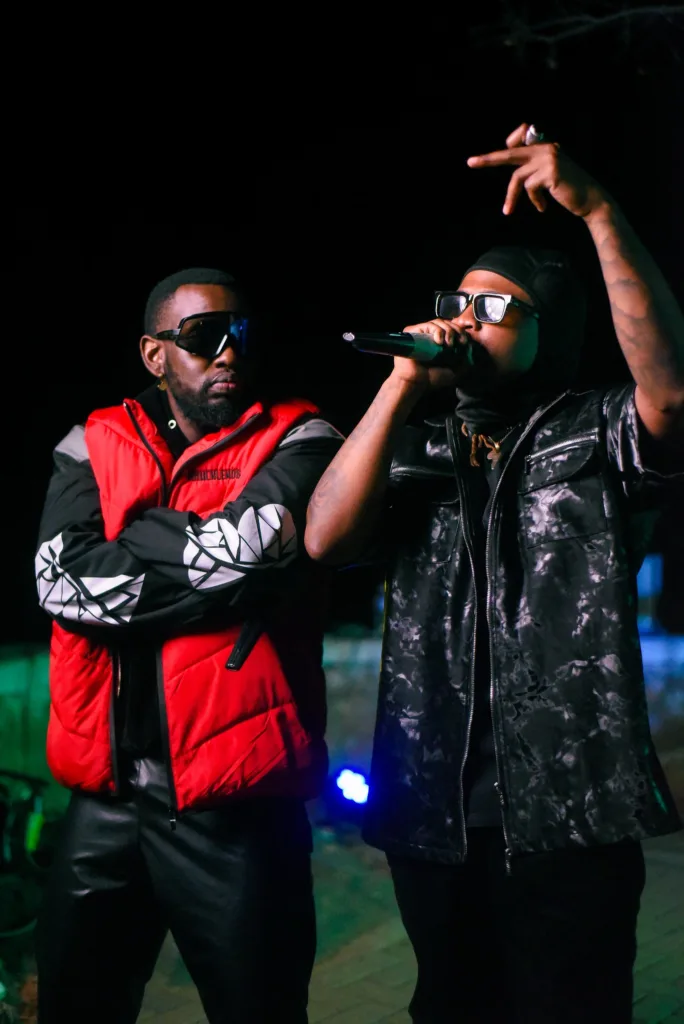
We have already welcomed artists from South Africa, including Some.Unique.Individual and alternative R&B artist Fentse. Those collaborations showed us what becomes possible when artists from different scenes share the same stage.
One of our co-founders is originally from Zambia. When he returned home for a period, he organised Perfect Noise shows there using the same format we had developed in Botswana. The response demonstrated that the concept could connect with audiences beyond our home country.
Our ambition is not simply to take a Botswana event and reproduce it elsewhere. We want to collaborate with local creatives in different countries, understand their scenes and build genuine cultural exchanges.
Africa has extraordinary artists. Perfect Noise wants to help ensure that more of them are seen, heard and given opportunities to move across the continent.
What have you learned about Botswana audiences through hosting Perfect Noise?
I have learned that Botswana audiences are searching for community. We may come from different backgrounds and listen to different genres, but when we gather in a space with good music and the right energy, those differences become part of the experience.
We refer to our supporters as Noisemakerz because they are not merely spectators. They are part of the identity and history of Perfect Noise. They return, discover new artists, bring their friends and help sustain the culture surrounding the platform. Perfect Noise would not exist without its audience. The community is what has allowed us to continue for eight years.
Where do you see Perfect Noise five years from now?
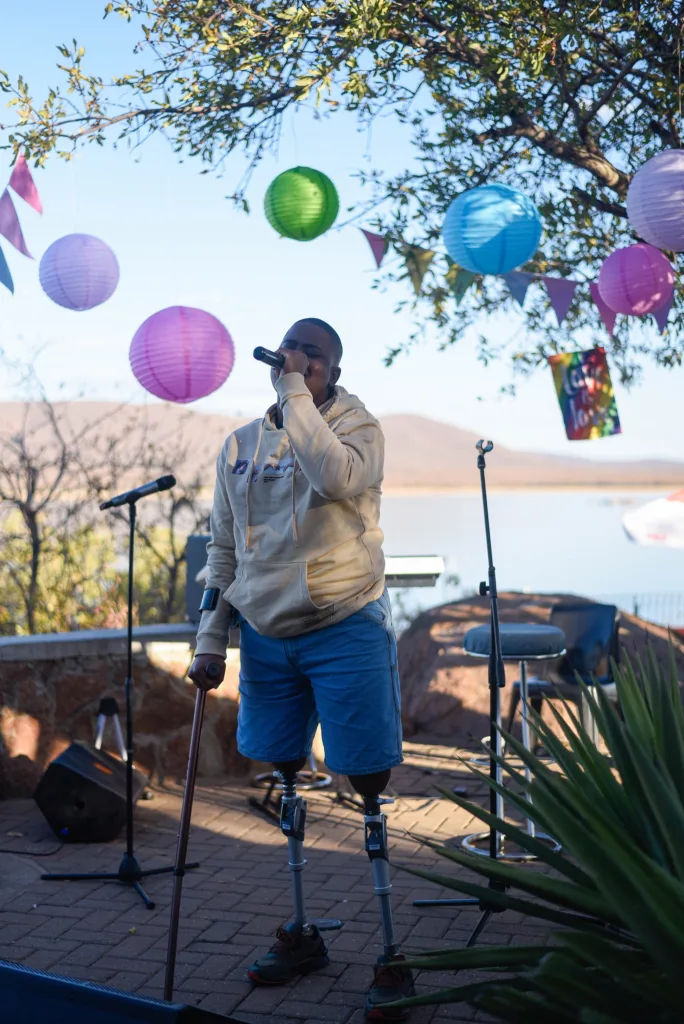
I see Perfect Noise becoming a sustainable Pan-African creative institution that helps Botswana artists access audiences and opportunities across the continent. One of the ideas we are developing is called Smuggling Dymondz. The name plays on Botswana’s association with diamonds and also pays tribute to Nikky Dymondz, one of our earliest affiliates. The concept is about recognising artists as cultural diamonds and helping move their work across borders—not literally smuggling anything, but finding imaginative ways to introduce Botswana’s creative talent to new markets.
We want to see more Botswana artists touring Africa. At present, structured regional touring opportunities remain limited. We imagine an artist such as Stretchaleezyonthehypetrain performing in Angola, Kenya or Zambia and building genuine audiences beyond Botswana. We also have a festival concept called Noisy Fest. It would celebrate the artists, audiences and creative partners who have contributed to the Perfect Noise journey. We envision it as more than a music festival: it would bring together sound, fashion, visual art and other elements of youth culture.
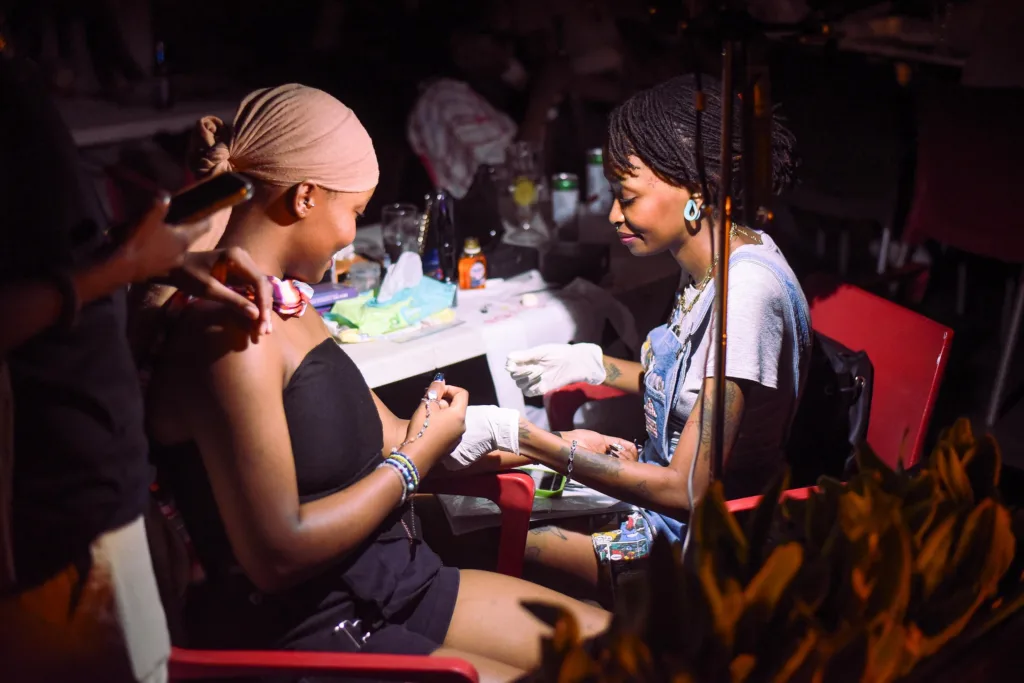
Cotton Fest has been an important benchmark for us because it demonstrated how a festival could celebrate music while also representing fashion, identity and an entire creative community. Perfect Noise has always embraced that multidisciplinary spirit, including fashion entrepreneurs, visual artists and independent brands alongside live performers.
In five years, we want to be known as a platform that began in Botswana but helped connect creative communities throughout Africa.
For someone outside Botswana who has never experienced Perfect Noise, what are they missing—and why should they make the trip?
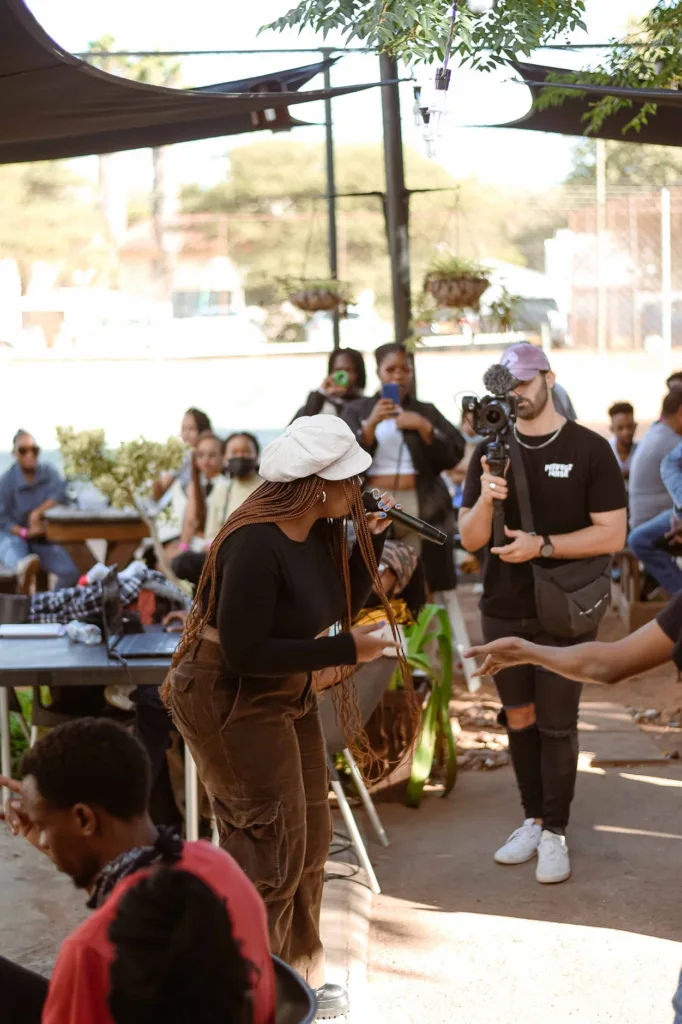
If you want to experience the energy of Botswana’s younger creative generation, you should attend a Perfect Noise show. You will see how people dress, speak, dance and express themselves. You will hear established performers alongside artists you may be discovering for the first time. You will encounter different genres and forms of creativity within the same space. Perfect Noise is not only about watching performances. It is about entering a community and experiencing a living reflection of Botswana’s contemporary youth culture. You may arrive not knowing what to expect, but you will leave having discovered a new artist, made a connection or encountered a side of Botswana that you might not experience anywhere else.