
First, Tim digs back into the South African crates with a mix of 1990s kwaito music, a genre of house records pitched down with big vocals on top.
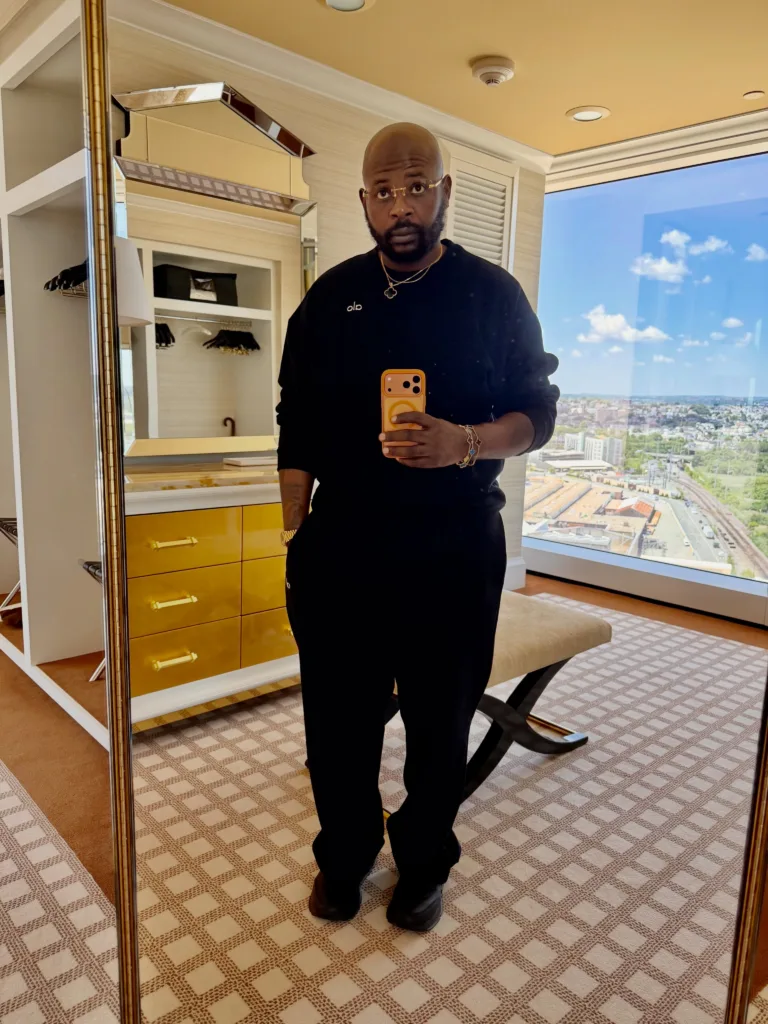
Interview Long Description: DJ Maphorisa discusses his relentless drive to innovate, moving seamlessly across genres like amapiano, gqom, and currently, afrotech. Maphorisa explains that he thrives on the “uncomfortable feeling” of experimenting with new sounds to avoid creative stagnation. A major highlight of the discussion is his upcoming Scorpion Kings concert at Johannesburg’s FNB Stadium, where he aims to fill 95,000 seats—a massive leap from their previous 50,000-attendee show. He humbly expresses gratitude for this hometown support while teasing a star-studded lineup of guest artists.
The conversation also delves into the technical nuances of globalizing regional genres. Maphorisa notes that amapiano’s slower 113 BPM makes it challenging to penetrate fast-paced European club scenes like Ibiza, contrasting it with the higher tempos of afrotech and the Nigerian preference for faster beats. He reflects on how genres like gqom can stagnate if they become too dark and fast without melodic progression. Finally, Maphorisa shares his fascinating hit-making process, using the track “Money Constant” with Wizkid as a prime example. He reveals that he tests exclusive beats live in clubs to gauge crowd reactions, sometimes waiting years and leveraging social media virality before finalizing a track, ensuring it is a guaranteed hit.
Interview Short: The South African superstar on his Johannesburg stadium show.
Tim Sweeney: 00:00 My guest today has done Cueto, House, Gqom, Afrobeats, and Amapiano, and he keeps it moving. In September, he’s filling a 95,000 seat stadium with the sound he helped take global. He’s one half of the Scorpion Kings, DJ Maphorisa.
DJ Maphorisa: 00:16 Yes.
Tim Sweeney: 00:16 Welcome to Beats in Space.
DJ Maphorisa: 00:17 Thank you, sir. Thank you for having me.
Tim Sweeney: 00:19 Man, no, thank you.
00:20 Now, we were talking about this before, and you’ve said this before, that you’re always switching genres. That’s your thing. And you’re going to do it for us again on this mix.
DJ Maphorisa: 00:32 Yes, sir. Yes, sir.
Tim Sweeney: 00:34 But with switching genres, what is it in your gut that’s telling you to move from one to the other?
DJ Maphorisa: 00:39 I think I like the uncomfortable feeling. I don’t like it easy. I like to experiment. I like to discover and learn new stuff. So once I feel like I’ve achieved a certain peak with the sound, I move to the next one, just even to refresh so that even if I go back to that one, at least I have a different ear and different inspiration and stuff. So I don’t like staying in the same place for a long time.
Tim Sweeney: 01:07 Right now, where do you feel yourself moving?
DJ Maphorisa: 01:11 Now, I’m moving into the Afro Tech. I love the Afro Tech and I’ve been there. It’s an Afro house. I’ve been doing Afro House with Mafikizolo, Wizkid, Davido, Uhuru, with Black Coffee also. I’ve been in that space.
01:28 So when I heard about Amapiano and then when I was discovering it and stuff, I got interested. I got interested and I really liked the movement. I like the culture. They have a solid culture in my hood. In South Africa, it’s like Amapiano is really solid and it’s very supportive. So every DJ, every musician support each other. So it always keeps on going. It doesn’t stop. Maybe the hype can go down, but the culture is still moving.
Tim Sweeney: 01:59 But it doesn’t seem like the hype’s going down when you’re selling out a giant stadium in Johannesburg.
DJ Maphorisa: 02:05 I guess, I guess.
02:05 But sometimes it’s like… Because I feel like maybe we did a lot of Amapiano. When 3-step came, it was an exciting sound. You know what I’m saying? And then people had to… And also we needed that to refresh so that the sound also has to evolve.
02:23 Shout out to everyone who’s got the tickets. Man, we excited. 19th September, FNB Stadium, Johannesburg. It was going to be amazing, man. So we’ll be representing Amapiano. Last year, we did it. It was almost 50,000 people. It was in Pretoria, our city where we come from. It was Loftus stadium. So this year we’re doing it bigger.
Tim Sweeney: 02:44 Twice as big.
DJ Maphorisa: 02:45 Yes.
Tim Sweeney: 02:45 How does that feel to sell that out, to go into a thing that huge?
DJ Maphorisa: 02:50 Overwhelmed. And also, man, we humbled and grateful. They’re showing love. They’re showing love, especially… They’re saying charity begins at home. Especially when you sing, we’re getting love from where you’re from. It really means a lot.
Tim Sweeney: 03:08 Who are you bringing? Because I know there’s families coming to this one, right? So who’s part of the family that’s coming out for Scorpion Kings?
DJ Maphorisa: 03:15 Oh my gosh. Sjava. There’s an international… We just need to seal the contract, but someone international is coming.
03:26 Sjava, Mafikizolo. I’m bringing Ringo Madlingozi, Ami Faku. Busiswa. Oh, man. Msaki, Mawhoo, Nkosazana Daughter. It’s going to be crazy. There’s more. There’s more. It’s just that [inaudible 00:03:47].
Tim Sweeney: 03:48 Are you going to record it so we’re going to be able to hear it? Us over here who are not going to be there. Is that-
DJ Maphorisa: 03:52 We’re going to record it.
Tim Sweeney: 03:52 You’re going to record it?
DJ Maphorisa: 03:53 Yes, sir. Yes, sir. Yes, sir.
Tim Sweeney: 03:55 You used to throw parties as well. You’re a promoter.
DJ Maphorisa: 04:01 I’m a promoter, yes.
Tim Sweeney: 04:01 Right? To get to this level, did you ever think about that when you first started? Was there a vision in your head about stadiums?
DJ Maphorisa: 04:11 Yeah. It’s been, it’s been. Because that’s another level. It’s like… Stadium status is another level. And then it also encourages you to do more and to not give up. You know what I mean? Think of Madison Square Garden and think of O2 London, think of stadiums outside South Africa. So it’s still going. The culture still have to hold it down.
Tim Sweeney: 04:36 Is that the goal after? You’re going to do Madison Square Garden? O2 in London?
DJ Maphorisa: 04:41 Yes. Yes.
Tim Sweeney: 04:42 That’s the next goals. I like that.
DJ Maphorisa: 04:44 That’s the goals, yeah.
Tim Sweeney: 04:44 No. Going big.
DJ Maphorisa: 04:44 Yeah.
Tim Sweeney: 04:46 But we talked about this before, when you’re saying that you’re moving on, moving into Afro House, Afro Tech, but you’re not moving on.
DJ Maphorisa: 04:55 Let’s say I’m going back.
Tim Sweeney: 04:57 Going back, yes. Because Amapiano is always a party.
DJ Maphorisa: 05:02 Still, bro. It’s doing well. And then I can’t leave it like that. I need to hold it down till… I don’t think it’s going to go anywhere, but you know what I mean? Where it’s at now, I’m happy to do other things. Because there’s still cups that are small, they’re still killing it. There’s my boy called Xduppy that’s killing it. He’s a young boy. He’s like 23. So he’s doing well. He’s in my stable new money game. And other people are still kicking it in, kicking it with it. So I’m happy that I can still bounce back, come this side.
Tim Sweeney: 05:41 But do you see in your head a show, an Afro House, Afro Tech show at FNB Stadium too? Do you see this?
DJ Maphorisa: 05:57 Yes. I see that. I see that. I see that. I see that. I see that. It’s just that there’s a lot of work that we need to do in SA with Afro House and the culture. And then the culture is growing.
06:01 Shout out to Shimza. He’s doing his show, Kunye, and then he’s got a big Afro House, Afro Tech event.
06:11 I see it. I see it growing. So even him with his events, it’s like every gig is he grows, he grows. The audience also grow. Yeah.
Tim Sweeney: 06:23 Well, and speaking of that, just a little bit ago you were opening for Black Coffee and Ibiza at Hï.
DJ Maphorisa: 06:33 At Hï, yes.
Tim Sweeney: 06:33 Right?
DJ Maphorisa: 06:33 With Kabza De Small.
Tim Sweeney: 06:34 How was that? What were you representing there when you were playing that?
DJ Maphorisa: 06:36 Afro. That was Afro Tech. Yeah, that’s Afro Tech. Yeah, yeah, yeah.
06:40 Obviously, with Ibiza, Ampiano couldn’t penetrate because it’s very slow. It’s 113 BPM. And then Ibiza, most of the time, it’s 120 upwards. So there’s a big difference. And then we can’t play Amapiano like that. It sounds weird because the difference of the tempo is far apart. That’s the main reason why Amapiano couldn’t penetrate Ibiza.
Tim Sweeney: 07:09 Because I’ve seen you comment before that with Amapiano, people dance a certain way and then with Afro House-
DJ Maphorisa: 07:15 Yeah, it is. Yeah.
Tim Sweeney: 07:15 … it’s another style of dance, right?
DJ Maphorisa: 07:17 It’s another style, yeah.
07:19 Maybe in the future, maybe we’ll match the two. I don’t know. You know what I’m saying? With elements and stuff, but I guess we have to take elements from Amapiano and add them into the Afro Tech space, which means it’s going to be faster, especially Europe and a lot of countries that really like it fast.
Tim Sweeney: 07:41 They do.
DJ Maphorisa: 07:42 You know what I mean? They really like it fast.
Tim Sweeney: 07:42 Very fast.
DJ Maphorisa: 07:45 That’s where I saw the difference. It’s like, oh, actually it’s going to be really tough, Amapiano, to penetrate other territories.
Tim Sweeney: 07:57 And when you say it sounds weird, it sounds funny when it’s sped up more, is that specifically the log drum or is it the kick, the bass that’s happening that when-
DJ Maphorisa: 08:09 I think it’s A bounce. It’s everything. And my fellow brothers, Nigerians, they’re the ones who like to take it fast so I don’t think they will play Amapiano with the 130 BPM. I think they’re going 118. So they’re-
Tim Sweeney: 08:24 They push it.
DJ Maphorisa: 08:26 My brothers, they push it because it’s the dancing style. When it’s 113, it’s really slow. So for the ones who relaxed, you know what I’m saying? But now 118, 120, it’s the ones that want to move. And I get it and I get it.
Tim Sweeney: 08:43 I’ve also heard you said when a genre gets dark and fast, the song starts sounding the same. And you said that about Gqom before.
DJ Maphorisa: 08:53 Oh, yeah?
Tim Sweeney: 08:53 Yeah, yeah.
DJ Maphorisa: 08:53 What?
Tim Sweeney: 08:54 You said when a genre gets dark and fast, the songs start sounding the same and you can feel that Gqom hitting its sell by date because it was just going too fast and too dark.
DJ Maphorisa: 09:05 Oh, okay. Okay. Okay. Yeah. Okay.
Tim Sweeney: 09:07 You remember this sound?
DJ Maphorisa: 09:08 Yeah, yeah. No, no, no.
Tim Sweeney: 09:08 I’m not making anything up, right?
DJ Maphorisa: 09:08 No, no.
Tim Sweeney: 09:08 I’m not misquoting you here.
DJ Maphorisa: 09:15 Gqom is as far as killing, bro… I’m not even trying to say anything bad, but it’s like it doesn’t really go… It’s here. And then I want it here, you know what I’m saying? That’s the style. It doesn’t need a lot of elements where you make it pop or you give it progression. It just want it dark and just those elements, those samples, those screams and shouts and stuff. And that’s how it is.
09:43 Even in Amapiano space, there’s a style where it’s like the instrumentals where DJs will play instrumentals only and it’s like that. It doesn’t go up, it doesn’t go down.
09:55 So then I feel like Thukzin added some few elements there, then it breached out. It went different wings because now he put in a chord progression and then he put in a hook and a verse and a vocals and stuff.
10:13 Because there’s an underground home where there’s no music. There’s no lyrics. And it’s banging in the club. It’s banging in the club but obviously, for radio and other things, you don’t hit. You know what I’m saying?
Tim Sweeney: 10:26 Yeah, exactly.
DJ Maphorisa: 10:27 So if you wanted to hit the radio space, you need to put some hooky stuff, like kitschy stuff.
Tim Sweeney: 10:36 But is that what you’re thinking about in the studio? Every time you go into the studio, is it like, “I’m going to make a…” You’ve had so many hits, right? So is it-
DJ Maphorisa: 10:47 Most of the time, it’s like I’ll get inspired from other styles or other songs and different genres. It’s like… Or I’ll be in a space where I’m in Portugal, then they play Caiiro’s song and then Caiiro remixed a vocal with some African… But it’s not from South Africa. And then… You know what I’m saying? Those type of things. So it’s like I’ll get inspired by those kind of things.
11:15 Sometimes, it’s like from a pop song. I’m listening it in the radio, maybe I’m Ubering or something and then I’ll just get inspired there because I like…
11:25 Actually, I’m both. I like dark stuff and at the same time, I like soulful stuff because a part of-
Tim Sweeney: 11:32 You love music. That’s the thing. You like all these different genres.
DJ Maphorisa: 11:37 A part of me when I was growing up, I was inspired by R&B. So that’s that. So sometimes I need soul. Sometimes I need hard stuff.
Tim Sweeney: 11:47 But say when you’re making Money Constant, giant hit, did you know when you’re making that one? Because I think there’s a lot of times you’re in the studio and you say it’s going to be a hit but it’s not a hit.
DJ Maphorisa: 12:00 Sometimes with making hits, because we DJs, we get exclusives, right?
Tim Sweeney: 12:05 Yeah.
DJ Maphorisa: 12:06 So I got an exclusive. That beat was an exclusive. So I was with Wizkid in the studio and then it’s like I call my boss, he’s like, “Yo, send me beats, send me beat, send me beats.” Then I got that beat. Then I started playing that beat in the club. And then… I think I was with Wiz. So now we’re already 50% halfway because now we play the beat and then we already see the crowd. The crowd is going crazy. So already we’re cool with that. So you know what I’m saying? And then we went to studio, then started working on the lyrics and stuff.
Tim Sweeney: 12:39 Yeah.
DJ Maphorisa: 12:40 Three years down the line. So that song we did it three years ago.
Tim Sweeney: 12:44 Oh, really?
DJ Maphorisa: 12:45 Then, luckily, there were clips that were going viral. Playing that song while Wizkid was there with me. And then with TikTok, once the audio and someone danced to it, and then now it’s a challenge. Now everyone is going, you know what I’m saying? So with that, and then we had no choice and we had to release it because now it had this thing. I was like, “Hey, we want this song.”
Tim Sweeney: 13:13 But you’re saying it was finished three years ago?
DJ Maphorisa: 13:16 Yes, yes. No, no, no. It was finished. Then later, then Tunez, I go to Tunez, he suggested that we must put Mavo. Mavo is the new kid in Lagos, the new kid in Nigeria that is popping and doing well. And then yo, he landed on it.
Tim Sweeney: 13:33 So it really is a whole thing where you have the beat, you play it in the club, you see the response from the club, but you’re also seeing on social media, how people respond.
DJ Maphorisa: 13:43 Actually, most cases it’s like that. I’ll have instrument exclusives and play it. Then I see the reaction and then it’s like, “Okay.” Then I’ll do it again maybe three times, four times, played it in different venues, different scenes. And then I will be sure it’s like, “No, this is the one.”
Tim Sweeney: 14:01 So do you have another one like that right now that you’ve been playing?
DJ Maphorisa: 14:05 A lot. It’s a lot. Sometimes, it’s a lot because you do it every day. It’s like we can’t stop. We can’t stop. So it’s a lot of beats. And so sometimes it’s like I get tired of listening to that. I get overwhelmed because it’s a lot.
Tim Sweeney: 14:21 It’s a lot. So are you still excited when you hear these ones or are you like-
DJ Maphorisa: 14:29 I am. I am. I am excited. I don’t lie. I am. Especially when the sun sounds fresh to the ear, it’s like, “Wow, okay. This one is different. I think it’s going to hit different to the audience.”
Tim Sweeney: 14:41 Say with the Scorpion Kings show in September, how do you plan out what you’re going to play for that? Because is it then… You put in your hits, but you-
DJ Maphorisa: 14:53 Yeah, yeah. Most of it. Yeah.
Tim Sweeney: 14:53 … have new things you’re going to put in there? How do you plan out a show that size?
DJ Maphorisa: 14:57 New things, we check… Yeah. New things, we’re going to play new things there. Obviously, it’s the stadium, so we don’t want to be soft. We want to bang, you know what I’m saying? So we’re going to make sure that we put in the hit songs, sing along songs, the ones that your friends really love.
15:19 Obviously, there’s new stuff coming and it’s a show. It’s a live band show. So it’s like, I think… I don’t know how many piece, but there’s [inaudible 00:15:26], there’s a band, there’s a guitarist, there’s a bassist. There’s a guy who plays percussion and there’s backing vocalists and stuff. So it’s really dope and I wish you saw our previous one, man. It was amazing, man.
Tim Sweeney: 15:41 That is Amapiano though, right?
DJ Maphorisa: 15:43 Yes.
Tim Sweeney: 15:44 So then what’s next year? Because that’s the end of this year, end of 2026, and you’re going huge then. Do you see next year… You still go back and forth, I know, but you got to focus at some point, right?
DJ Maphorisa: 16:02 The thing is what’s happening in SA, the culture has shift a little bit. So it’s like Dlala Thukzin, he does Amapiano and at the same time he does 3-step. And then Kabza, he does 3-step and at the same time, he does Amapiano. Now, they’re doing Deep House.
16:20 The Deep House scene is coming now. So they’re doing Deep House also. Now it’s the new culture where we do it as long as it’s dance music. We support each other, because it’s like Amapiano came with a new wave where it inspired almost all the DJs and the guys who in the dance scene because of our formula and the blueprint. And then it’s like everyone got inspired from that and they started using our blueprint and it started working for them also.
16:53 So this is the new wave where we’re doing everything because there’s a Deep House scene where now Kabza is playing in Deep House events.
Tim Sweeney: 17:05 Yeah.
DJ Maphorisa: 17:06 You know what I’m saying? So now it’s Deep House, it’s Amapiano, and it is 3-step. And he’s doing Gqom also. You understand? That’s the movement now.
Tim Sweeney: 17:17 Is there some other underground genre that’s popping off in South Africa that we don’t know about that you’re looking at like this could be a new one?
DJ Maphorisa: 17:30 At the moment, this Afro Tech, Afro thing, because now it’s got a fusion of Afro Tech and Gqom inside. So the fusion is like… I think that’s a new sound now. Mostly, Thukzin is the one who’s coming with funky cooler. So they call it the smoothie. They call them smoothies.
Tim Sweeney: 17:51 The smoothies.
DJ Maphorisa: 17:54 That’s a new sound.
17:56 I was playing in Amsterdam. Yeah, I played two of those type of sounds. I played those. And they’re moving and they’re moving this day. The crowd is going crazy.
Tim Sweeney: 18:06 When you go, say, to Europe and you’re playing at clubs there, do you get bored at them hearing the other DJs play in terms of… I feel like in South Africa there’s all these smaller genres and people are very intense on them, you know that, and it’s exciting. But then I feel like you go to Europe and it’s just like, “Okay, this guy’s house and then this is techno.” And then it’s just like…
18:35 I don’t know, it’s not as exciting for me in terms of when you hear from South Africa that all these smaller, just by the BPM, it changes the genre name. There’s a lot of specific things for each genre. I’m curious, when you’re at a club, say, Ibiza and you’re at Hï or one of these places, what do you think of the music that’s playing there?
DJ Maphorisa: 18:59 The thing is I feel like my ear is so open. I don’t think… That’s why I adapt easily. You know what I’m saying? My ears open. More than anything, it’s like when I get to a place, I check the scene, I look at the DJ, I look at the crowd also. If it’s killing the crowd, you know it’s something else, which means it’s something that I need to learn. You get me?
19:26 Even when Afrojack was playing with Shimza in Coachella. It’s like Afrojack plays some of [inaudible 00:19:36] and I’m looking at the crowd, they’re moving. It’s like, “Okay, I think I need to understand this type of how…” So I’m like that. I learn. I like to learn.
Tim Sweeney: 19:51 Now, does that come from your home with your mom was a gospel singer, right?
DJ Maphorisa: 19:58 No, no. My mom’s got a ministry. My mom is… I’m a pastor’s kid.
Tim Sweeney: 20:02 Yes.
DJ Maphorisa: 20:03 Yeah, yeah, yeah. But obviously, it’s a gospel Christian background. Yeah, they sing, you know what I’m saying? I have cousins and uncles. One is a pianist, one is a drumist.
Tim Sweeney: 20:17 So what was going on in your house? Was it a bunch of different genres happening? Were you still that open?
DJ Maphorisa: 20:24 When I was young, it was gospel. It was gospel. You know what I’m saying? And then the other things was outside.
20:32 How I got influence with music… I’m from Soshanguve. It’s a hood. Just right in front of my house, it’s a tavern. So from Friday, Saturday, Sunday, it’s music and it’s loud. That would play gospel in the morning. They would… Probably clean gospel, gospel. Then they’ll come with R&B from maybe 12:00 to 1:00 P.M. They’ll play R&B. Then from 4:00 to 6:00, they’ll play African Jay-Z music. Then now they’ll change to dance music and… You know what I’m saying?
Tim Sweeney: 21:09 Yeah.
DJ Maphorisa: 21:10 I think also with the playlist, I feel like it helped me with playlist and knowing songs and stuff, knowing… Because every week, every week I’ll hear music. So that’s one of the advantage that I got.
Tim Sweeney: 21:23 Did you go over there? Were you talking to whoever-
DJ Maphorisa: 21:23 Yeah, we’re going there.
Tim Sweeney: 21:23 … was programming the music?
DJ Maphorisa: 21:26 We were going there. Also, they had a pool. They had a pool. We used to play pool there and stuff, and then… Yeah, man. And-
Tim Sweeney: 21:33 But was there a DJ or was there someone-
DJ Maphorisa: 21:35 No. They were playing with CDs.
Tim Sweeney: 21:36 CD, okay. Yeah, yeah.
DJ Maphorisa: 21:39 [inaudible 00:21:39]. They were playing with CDs.
Tim Sweeney: 21:41 Then you get your computer and you start making playlists or something from your computer. Is that what happens?
DJ Maphorisa: 21:44 Yeah, I get a computer. I get a computer. So after getting a computer, I was messing up with the operating system because I didn’t know what to do. So it’d always crash or lose operating system files and stuff. So I had to take it to someone to fix. And I got tired of that. Then I started learning how to fix computers, knowing how to put a hard drive. Back then, that was Windows 95 and Windows 98.
22:09 And then on Windows 95, we didn’t have MP3s. I think MP3s came with Windows 98 or Windows 2000.
Tim Sweeney: 22:18 Yeah, it was like Winamp. Yeah. That… Oh, yeah.
DJ Maphorisa: 22:18 Win Amp and stuff.
22:19 So you must remember a WAV was a big file. So if you had 10 songs, your hard drive was already full. Luckily, the MP3 came. MP3 was three megabytes, four megabytes. So now you could have a lot of music.
22:35 And there was a lot of piracy and stuff. So you go with the hard drive to your friend, he has collected R&B music, that one collected House music. Then you’ll have a folder. Then now you start writing CDs. Remember back then when we were using CDs and stuff.
22:56 So in the hood, I’ll be the one who’s got the computer and then people want music, so they’ll come to me and stuff and all that and all…
23:05 So with that, my name started growing and stuff. So now, finally, I got this Fruity Loops. It was a demo. I think it was a 3.3, 3.4, 3.0. It couldn’t save. So once you’re done with the music, you have to render it and you’re done.
Tim Sweeney: 23:23 No saving. No saving.
DJ Maphorisa: 23:24 No savings and stuff. Yeah.
23:26 With that, now, I started teaching myself how to make beats. I think the first beat was hip hop because it was easy. [inaudible 00:23:36]. It was the easiest and stuff. Then I started hanging with boys who knew Fruity Loops. Now we started teaching each other shortcuts and how to do this and how to do that and stuff. Yeah.
Tim Sweeney: 23:51 Were you already DJ Maphorisa at that point?
DJ Maphorisa: 23:54 Yeah. I started DJing when I was like, what? I was in grade… I don’t know how you call it. I was in grade 10, so I was already in school. So obviously, there will be some days in school there’s this beauty pageant and I’ll be the DJ of it and stuff. You know what I’m saying? So I started becoming cool in those times. Yeah. And then-
Tim Sweeney: 24:19 And you got a record deal sometime in school, right?
DJ Maphorisa: 24:21 Yeah. In school, I got a record deal. It was so crazy. Even the contract, I signed it on the car. There’s a road. It was in town. You know what I’m saying? I was like, “Yeah, I’m signing this contract. I don’t care.”
Tim Sweeney: 24:34 That’s one of the things when I’m reading you signing a contract then versus now, there’s a lot about how you learned over the years about you want to own the stuff yourself, right?
DJ Maphorisa: 24:46 Yeah, yeah, yeah, yeah.
Tim Sweeney: 24:47 If you saw that same contract… Do you remember that contract from before?
DJ Maphorisa: 24:51 I don’t remember, but I knew that you had to pay your dues and whatever you get is the door, you know what I’m saying? And then…
25:02 It was hard then. So for me, just knowing that this company has made this guy a start, this guy a start, this guy a start, I’m going there. I’m not looking at… And until I get there, then I’ll figure it out when I get there because-
Tim Sweeney: 25:18 I know, but that’s how they get you, right? That’s how they…
DJ Maphorisa: 25:21 And for me, I always tell them, “I’ll make other hits. It’s fine. Even these ones, I’ll make more.” So it’s always been my motto. It’s like, “I’ll make more. I’ll make more. I’ll make more.”
25:31 And then I knew that you have to work hard and it’s like you have to go through it, especially if you really want to maintain and last for almost forever. You have to have that strength to keep it going.
Tim Sweeney: 25:47 Over these years, do you think there’s anything people have gotten wrong about you from how you’re seen online or how you’ve grown? Is there a message that you think is wrong?
DJ Maphorisa: 26:03 I think I got to understand… I think the negative things, that’s the things that really bother me, but I’m getting to a point where I get it. Negative sounds nicer than positive. If they’re going to hear me saying positive stuff, “Yo, you did this, you did that,” they’re going to get bored. But once something is negative, it’s more interesting. So I’m getting used to that. It’s like, “Ah, they’re going to say things about me. They’re going to do this and do that.” And I just need to have strength just to… Thick skin just to go on. You know what I’m saying?
26:38 Because me looking at the scene now, looking at the input and even the things I’ve did for the culture and stuff, I’m really proud. I’m really proud to see people buying their houses, also opening their labels.
26:56 Because with me, when I sign artists, I always tell them, it’s like, “You’re going to grow. It’s up to you. At a certain time, you’re going to want to do your thing.” So I’ve created that room also where I know people that are going to come and go. Some that would want to stay, some that want to grow, and then it’s okay. I’ve already created that room for growth.
27:24 Because partnering is more than… It’s bigger. When you partner with someone, it’s bigger because he knows… Maybe for example, it’s a 50/50 deal, he’s going to put in his effort and his work and I’m going to put in mine and we’re going to make it. But now once he knows that, “Ah, I’m getting 20, he’s getting 70 or 80,” he gets to be discouraged a little bit. So I’ve learned that in a process of growing and experiencing how people work and stuff. Yeah.
Tim Sweeney: 27:56 Yeah.
DJ Maphorisa: 27:57 Yeah, man, it’s just the negative things that’s happening and then it’s there. But somehow we have to have a way of have a voice of the good stuff, the good things that I’ve done for the culture and stuff.
28:17 Because one good thing that I know that I’ve done for the culture is to change the thing of distribution. After me and Kabza went distribution, everyone in South Africa wanted a distribution deal. They didn’t know what’s the distribution deal, but they wanted that. It’s like, “No, this is the one we want.” And that thing changed the whole thing in SA because everyone owns their music. And then it’s really dope and then shifted the market share a little bit.
28:53 In South Africa, what was happening is the aggregators, they were the ones who really coining it because now they’ve been signing. It was the small companies. You know what I’m saying? They’re the ones who were doing it because now they were signing all this upcoming artists and stuff. And it was a lot of them where it happened that now the majors bought the small companies. So for me, I was proud seeing that shift also. It’s like, “Wow, okay. We really did some massive stuff.”
Tim Sweeney: 29:28 With working with all these bigger artists, are there takeaways that you learned from working with these people that you wouldn’t have known before?
DJ Maphorisa: 29:38 Yeah. There’s a lot of things I’ve learned and I wish my South Africans could learn. It’s just that, I guess, we have to do workshops and stuff just to…
29:49 Because what’s missing in SA is they feel like once they made it in SA, they’ve made it and it’s just the beginning, you know what I mean? They need to travel. They need to build an audience outside also, build an audience and then grow with it, grow with it. So most of them, they just feel like after they make it in SA, they feel like they’ve made it. And then it’s still a long way. You know what I’m saying?
30:18 Even me now, I’ve started the new journey. So you can understand it’s like I’m studying almost on the bottom. And then I’m studying with it again while I’m this. You understand? And then-
Tim Sweeney: 30:32 How do you deal with that though? Because in terms of ego, that’s too hard, right?
DJ Maphorisa: 30:38 It grounds me. It grounds me. It grounds me and then it challenge me. As I said in the beginning that I like being challenged. I like being uncomfortable because when you are comfortable, it’s not exciting anymore.
Tim Sweeney: 30:53 With those, you have the smaller genres in South Africa, but people are so intense about loving a certain genre. And it seems like if you go to another one, they hate you. You know what I mean?
DJ Maphorisa: 31:05 They hate you. And I had to. I had to change that. Even me, they were making fun of me. But I had to change that because it doesn’t open. If it’s one dimension, it won’t open. It’s like we’re not going to share ideas. We’re not going to… That’s why I was saying now it’s Deep House, Afro House, Amapiano, 3-step, we in the same clique now. It’s like we’re playing our way. We’re figuring it out and it-
Tim Sweeney: 31:37 But it is also South Africa sounds like taking over the world, right?
DJ Maphorisa: 31:40 Yes. Yes.
Tim Sweeney: 31:42 And that’s what it needs to be more, right? Not infighting in between.
DJ Maphorisa: 31:46 In between and stuff.
Tim Sweeney: 31:47 No, I noticed that. There’s a lot of negative talk, social stuff that you’re just like, “Come on. It doesn’t need to be that.”
DJ Maphorisa: 31:57 I feel like they’re so entitled. And also South African fan base, when you reach a certain peak, they want you down again. It’s like, “No, no, no, you’re too far. Come back, come back, come back, come back, come back, come back, come back.” And it’s like, “I need to grow. Come on. I need to raise the bar high. My fees need to go up.” You know what I’m saying? I need to…
Tim Sweeney: 32:21 You want to do stadiums around the world.
DJ Maphorisa: 32:22 Stadiums and stuff.
Tim Sweeney: 32:23 You know what I mean? Yeah, yeah.
DJ Maphorisa: 32:25 And that’s the thing that needs to change. My SA people needs to be…
Tim Sweeney: 32:32 The one thing I didn’t talk about though was what Nigeria means to you because I know your dad’s from Nigeria, right?
DJ Maphorisa: 32:39 No, no, no, no.
Tim Sweeney: 32:39 Or what?
DJ Maphorisa: 32:39 My grandfather is from Mozambique.
Tim Sweeney: 32:42 Oh.
DJ Maphorisa: 32:43 Mozambique. Yeah, yeah, yeah.
Tim Sweeney: 32:44 Oh, Mozambique. So there was something else where it was like your dad was from Nigeria.
DJ Maphorisa: 32:47 No, no, no, no, no.
Tim Sweeney: 32:48 Okay, got it.
DJ Maphorisa: 32:49 Mozambique. Yeah.
32:51 With Nigeria, it’s just that…
Tim Sweeney: 32:53 There’s Wizkid. There’s some connection with you and Nigeria though.
DJ Maphorisa: 32:57 Yeah. Actually, when Afrobeat was started… The new Afrobeat when P-Square and with D’Banj, Don Jazzy, and then you would see Kanye West with D’Banj and Don Jazzy and it’s like, “Whoa.” For me, I was like, “Okay, wait, wait, wait. I think there’s something we’re missing. And then I feel like these guys, they have something.” Then I started doing research and stuff.
33:25 We got lucky. We did a song with Mafikizolo called Khona. That song was the biggest African song. And then it started now making the video to work with us, Wizkid to work with us and stuff. Then that’s why I started going in and then checking how they move their business module.
33:48 So I took that and a lot of people didn’t even see that. I was learning a lot, hanging with Wiz, seeing how he moves, you know what I’m saying? Because me and Wiz were really close with that. We’ve been doing a lot of stuff together. So with that, I was like, “No, man, this guy’s moved differently and I need to move like them.” And that’s what helped.
34:09 And then now that influence from them, you know what I’m saying? I started playing it in SA. With Amapiano scene, all of it, it’s got a Nigerian blueprint there and then people don’t even know. Even like how we dress. Nigerian started this. The drip and all that.
34:37 Then what I did is I had a song. When I was starting with Kabza, when we started working together, so that… Amapiano was really underground. It was South Africa. Now, luckily, I had a song called Sponono with Burna Boy and Wizkid. Come on, I’ve got this acapellas, man. Doing that song also, you know what I’m saying?
Tim Sweeney: 35:01 Huge.
DJ Maphorisa: 35:02 It gave Nigerians a go ahead. It’s like, “No, Amapiano is ours also. We’ll do it.” And for that also it took Amapiano to the next level. But with Nigerians also, it’s like their business module is different to our South African module.
35:18 The Amapiano songs, obviously, that’s going to have a big reach. You know what I’m saying? And maybe that’s where they started the confusion of Amapiano. “Oh, they took our Amapiano,” or whatever, whatever, those type of things. And what they don’t know that we don’t have the reach that the Nigerians have, those type of things and stuff.
35:38 Amapiano now started becoming Afrobeats at some point. Because if you don’t know Amapiano and Afrobeats, and then they will say this Afrobeat, you’ll say it’s Afrobeat, but it’s Amapiano, like Asake.
35:50 Asake, some people they’re saying he’s making Afrobeats, but mostly of the songs, he’s using Amapiano beats.
Tim Sweeney: 36:01 Why do you think that Nigerians have a bigger reach than SA?
DJ Maphorisa: 36:12 Their culture… They move like Chinese. They move like Chinese and Indians. And they move with their culture. They move with their culture, they move with their restaurants. South Africans, we don’t have a lot of South African restaurants.
36:21 And then also, I feel like Zimbabweans are more outside than South Africans. So sometimes when we get booked in U.K., we’ll get booked by a Zimbabwean promoter, those type of things and stuff. We’re not really that outside. We’re not…
Tim Sweeney: 36:43 You’re not spread out as much.
DJ Maphorisa: 36:44 Yeah, we’re not spread out. But I know Nigerians, they’re the ones… Almost everywhere they’re there. And then there’s a Nigerian restaurant. You know what I’m saying? So they’re moving with their culture. So that’s the other thing that they’re strong with.
37:01 And then where they go, so they’ll spread their music. The music will spread. The culture will spread. I feel like that’s why they’re strong with that.
37:12 And then we won’t even catch them. We just need to move with them. I feel like we need to move with them because it’s like we’re here. Unless now we spread, unless now there’s a lot of South Africans in China, in Japan, in Europe, in America, and stuff, then now it’ll be a different story.
Tim Sweeney: 37:33 I don’t know. But musically, I still feel like South Africa has so many genre, right?
DJ Maphorisa: 37:38 Yeah. Musically, we strong. Musically, we run the sound. No, the sound is from South Africa, no doubt about it. But now we need them for it to go. You know what I’m saying? We don’t have a choice. We need them.
37:52 That’s why I did the move. It’s like some songs I have to do with ways so that they move. Even now when you say the biggest Amapiano song is Money Constant, you hear me? So you see so…
Tim Sweeney: 38:07 Was.
DJ Maphorisa: 38:08 And then for me, I feel like unity is the best. If we unite and in collaboration, it’s going to go big. I feel like that’s the way we should go.
Tim Sweeney: 38:17 Do you feel like there’s any other country in Africa besides Nigeria where you hear music coming out of it that you’re looking for or that keeps turning you on?
DJ Maphorisa: 38:30 It’s Angola. Angola and Mozambique.
Tim Sweeney: 38:33 Yeah?
DJ Maphorisa: 38:34 Yeah, yeah, yeah.
Tim Sweeney: 38:36 Still close to South Africa.
DJ Maphorisa: 38:39 Yeah. But Angola is more closer to Nigeria outside. But yeah, Angola. Angola.
38:45 Because sometimes… At some point when I was doing Afro House, I was inspired by Angola and Portugal and stuff. So there’s some elements that we were taking from there and infuse it with because…
39:00 I don’t know. You know the song called [foreign language 00:39:05]? There’s a song called [foreign language 00:39:06]. So those times it’s like…
39:13 I was a member of this group called Uhuru. So we were going to Angola a lot of times and then I would hear Kuduro that side. I would hear Kizomba. I would also get inspired from those type of sounds.
Tim Sweeney: 39:27 Yeah, because I know in Portugal at least there’s that Príncipe record label that’s I think similar to Angola sound that they’re-
DJ Maphorisa: 39:40 Angola was colonized by Portugal and Mozambique so they speaks Portuguese.
39:48 We’ve been inspiring each other, both of us. They were taking some sounds. At some point, Black Motion would collaborate with Angolian artists and stuff.
Tim Sweeney: 40:01 Okay. All right. But Black Coffee to you is what?
DJ Maphorisa: 40:07 Brother, he’s the godfather. Without Black Coffee, we wouldn’t be here. Trust me. We wouldn’t be here. We’d be thinking differently because even the space he’s at now, it’s a different space and it’s like we’re getting inspired also because there’s another level of… It’s a crazy level. You know what I’m saying?
40:26 And then with me it’s like I saw it back then, 2010, 2009, back then. And looking at now, what did he achieve and what did he… It’s crazy. It’s inspiring. He’s always been a step ahead because he’s been our leader and he set it a lot of trends in SA.
40:53 Back then, he was the guy who was doing bootlegs, remixes. Giving us the sound. He’s the one who gave us direction. No, this is the direction. So obviously, he’s been evolving. Obviously, he has done that sound. He doesn’t have to do it. So he’s doing other things. He’s discovering other sounds and stuff.
41:17 And then that’s what it makes him go big and stuff. For me, it’s inspiring. Bro, I wouldn’t lie. It’s very inspiring. When I was in London, O2, he did a sold out show there. He made an RA nightclub.*
Tim Sweeney: 41:35 Really?
DJ Maphorisa: 41:37 That’s some other level, bro. There’s some crazy level. It’s a club, bro. I’m seeing everyone is moving. It’s like, “Oh my God.”
41:50 Yo man, shout out to Black Coffee, man, and you man, old man, just keep on doing that thing.
Tim Sweeney: 41:56 And he did MSG too.
DJ Maphorisa: 41:58 Yes.
Tim Sweeney: 41:58 Yeah.
DJ Maphorisa: 41:59 That was my first time. I wish I was in New York, man, just to experience the vibes.
Tim Sweeney: 42:07 Yeah.
DJ Maphorisa: 42:07 Yeah, man.
Tim Sweeney: 42:09 Well, so for this mix today, we’re going slightly uncomfortable because we’re going in between-
DJ Maphorisa: 42:18 In between.
Tim Sweeney: 42:19 … two styles. Is that right?
DJ Maphorisa: 42:20 Yes. Yes.
Tim Sweeney: 42:21 But you can’t give it up. We’re still making both fans happy.
DJ Maphorisa: 42:26 Yes.
Tim Sweeney: 42:27 Yeah? Let’s go play some music. Yeah?
DJ Maphorisa: 42:30 Yes, sir. Yes, sir.
Tim Sweeney: 42:32 Maphorisa, thank you so much for coming on Beats in Space.
DJ Maphorisa: 42:34 You’re welcome.
Tim Sweeney: 42:34 It is a pleasure, it’s honor, and really thank you for coming here.
DJ Maphorisa: 42:39 Thanks for having me, brother.