This October, Spotify GLOW, an initiative supporting and celebrating LGBTQIA+ artists and creators, partnered with VNJ BODEGA to host a series of documentary screenings, conversations and a closing celebration. Across three events, media, creators, artists and culture lovers came together to explore queer identity, music, representation and the role of creative communities in shaping culture.
Through the GLOW program, Spotify supports the queer music scene locally through its GLOW South Africa playlist. Since its launch in January 2023, GLOW has supported more than 130 ambassadors through marketing, editorial, and partnership opportunities. The program’s playlists have generated 451 million streams and 106 million discoveries, helping connect artists with new fans around the world.
The programme kicked off on Thursday, 8 October, at Spotify’s offices in Johannesburg, with screenings of Sankofa and Simon and I, followed by a panel discussion moderated by VNJ and featuring Bev Ditsie and Lelowhatsgood from VNJ. The conversation focused on the importance of building stronger queer communities and creating spaces where people can come together, particularly during challenging times. Bev Ditsie emphasised the need for greater collaboration, highlighting how important it is for communities to bridge their differences and work together, rather than face challenges in isolation.
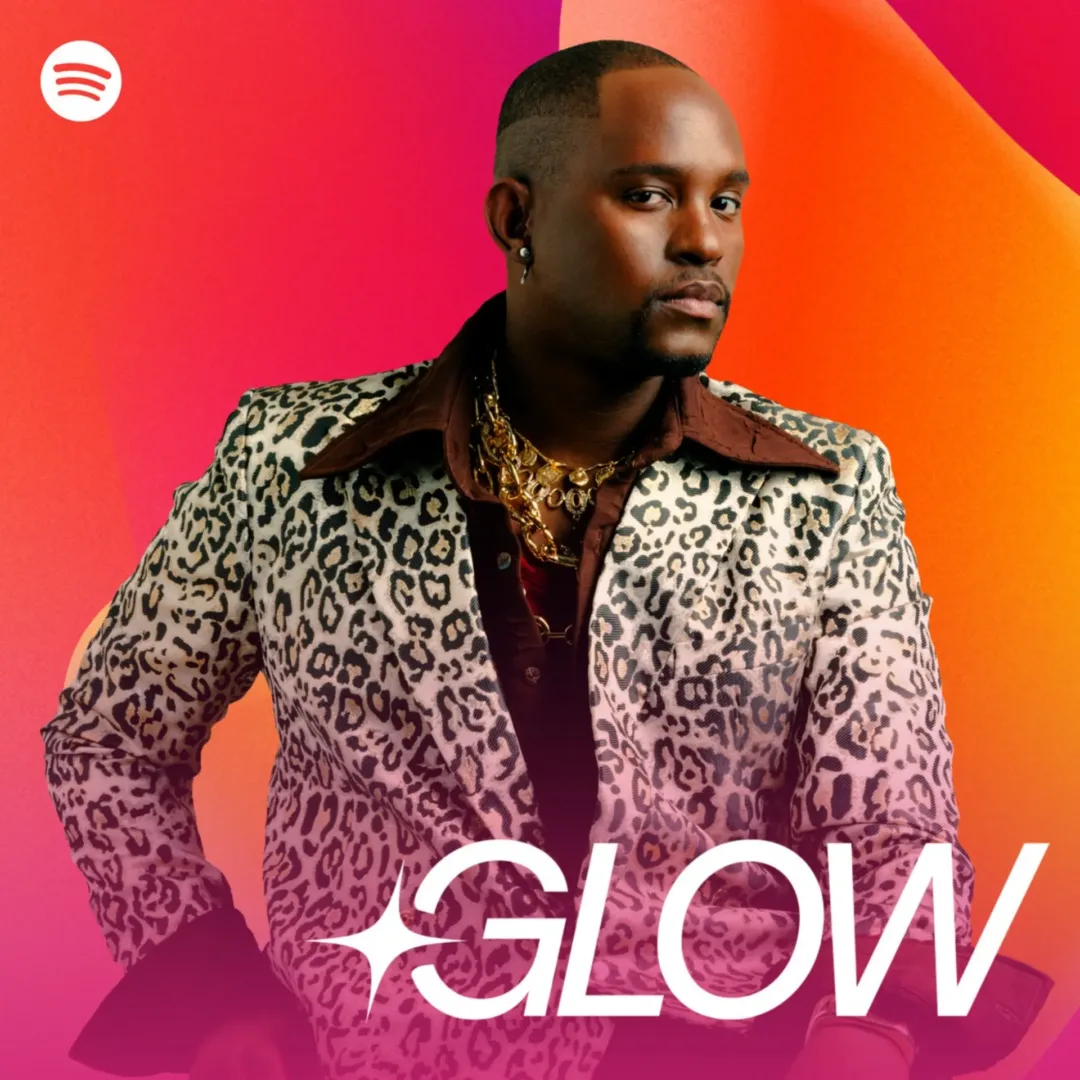
Lelowhatsgood shared the thinking behind founding VNJ BALL, explaining how they recognised a gap in Johannesburg’s alternative nightlife scene when they started DJing. Ballroom offered a way to fill that gap, giving queer people a place to celebrate themselves, build friendships and find a sense of family. VNJ was never intended to cater to just one part of the queer community. Lelo’s vision was to bring people from across queer life together, creating opportunities for them to see themselves represented on the runway, express their identities and connect with others. Over time, that sense of connection has extended beyond the dancefloor, with people finding friendships, partners and a community of their own.
On Friday, 9 October, the programme continued with screenings of iNdaba Yam’iStraight: This Is Brenda Fassie, a Spotify GLOW-produced documentary exploring Brenda Fassie’s legacy through the perspectives of music artists Zoe Modiga, Langa Mavuso, Nanette and Muneyi, alongside the seminal ballroom documentary Paris Is Burning.
The evening also featured a live recording of Spotify’s editorial podcast, Culture Club, hosted by Athandiwe Ntshinga, Editor for Southern Africa, who led a conversation with DJ and pop-culture creative Ms Party and Treyvone Moosa to discuss ballroom culture, music, queer identity and creative freedom.
Ms Party reflected on working across DJing, television and popular culture, including starting out at a time when there were few visible Black queer DJs of his generation. What began as a personal pursuit eventually became part of a wider shift towards greater queer representation in mainstream entertainment.
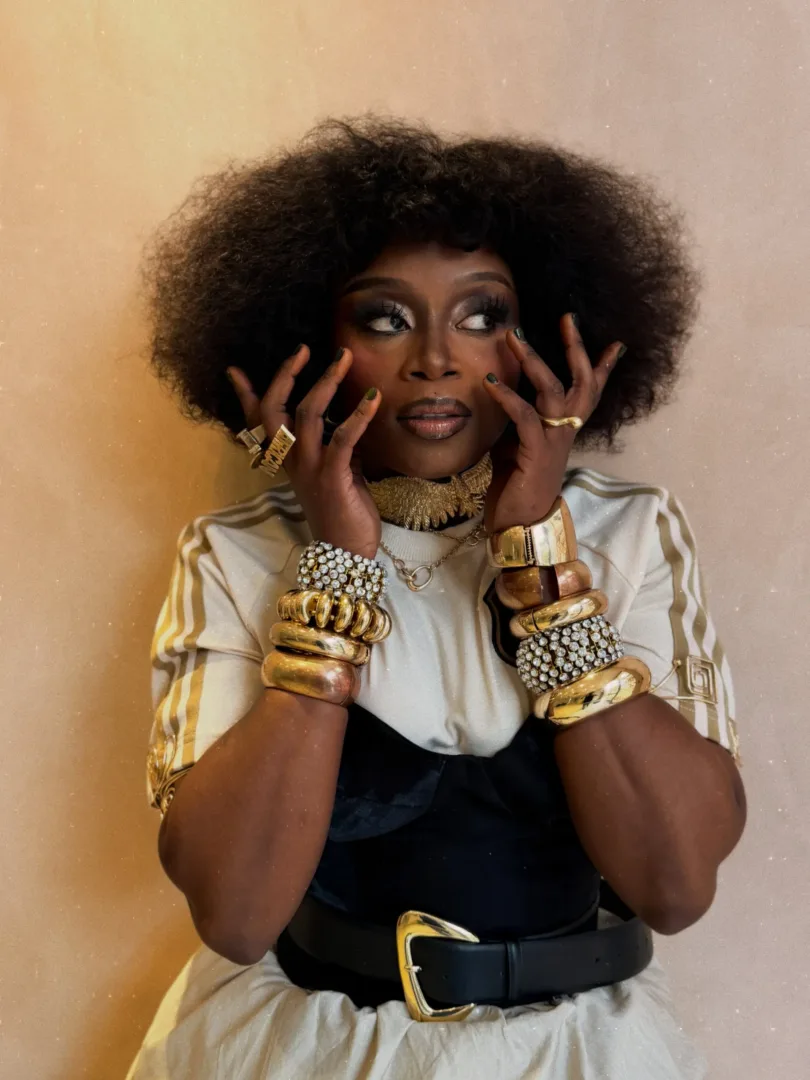
Treyvone spoke about creativity as a form of freedom, challenging the expectations society places on gender, identity and behaviour. The discussion explored how creative spaces can give people room to express themselves and connect with others without feeling pressured to fit into a particular mould.
Music was another thread running through the conversation, from house and ballroom to South African dance music. The discussion explored how sound can connect people to their identities, culture and one another.
The programme wrapped up on Saturday, 24 October, with VNJ BODEGA: LIVE with Spotify GLOW at The Nest in Johannesburg. Held as part of South Africa’s Pride celebrations, the event brought the series to a close with live performances and music celebrating queer culture.
The line-up featured Love Tumi, Giuliette Price, Kamo WW and Mx Blouse, with beats curated by Shaqueer, Nahledi and more. The evening brought together artists, music lovers and the wider community for a celebration of self-expression and connection.
Through its partnership with VNJ BODEGA, Spotify GLOW created space for conversations about representation and creative freedom, alongside opportunities to experience queer culture through film and music. Together, the three events celebrated the artists, creators and communities shaping LGBTQIA+ culture in South Africa.
To celebrate the partnership between Spotify and VNJ, we spoke to VNJ founder Lelowhatsgood to talk about the importance of creating community-led spaces.

How has VNJ evolved over the years?
Over the years, VNJ started out in the small venues of Braamfontein and Newtown – underground and DIY. We didn’t have much structure and as time went we got more in tune with the importance of ballroom formal rules, adapting to the history while forming newer ideas on how to adapt it into our own culture and language. It took time, effort and a lot of mistakes but we eventually got it into the right place. We focused on the identity of the brand and how it placed itself into the nightlight realm of Johannesburg and other cities across South Africa. VNJ is also a movement for the queer alternative – kids who never found a voice in other spaces and sought belonging and family. The work is far from done and as we approach 10 years, it feels like we’re still getting started.
What drove your community-led focus for Pride this year?
For years I always saw the community breaking away into so many different groups, and my one mission was always bringing people from all walks of life together because we share so many similar stories and identities. And in all honesty, being community-led stems from where my roots also are. The underground taught me that the dance floor is a community before it’s anything else. The people who show up, hold the room and move together are the culture. So, for Pride this year, I didn’t want to build something for the community from the outside. I wanted to build the culture from inside, with them, in the room, from the ground up. So much of Pride has become polished and branded, and I get why. But the spaces that shaped me were never about that. They were about feeling safe, seen and a little bit untouchable. That’s what I wanted to protect. Putting the community first meant making room for the artists, the ballroom kids, the DJs and the people who’ve been holding this scene up long before anyone was sponsoring it. For me, this is also personal because it also reflects my whole journey.
You’ve also curated four distinct Spotify GLOW playlists this month. Who are some of your artists to watch here, and how do you think they shape the future of music overall?
I wanted to show the soundscape of South African music, whether underground or commercial and how sound itself has played such an important part in shaping our identities and how we see ourselves in the world through music and the storytelling behind it. From Nakhane, Thandiswa and Lebo Mathosa, Moonchild Sanelly, to FAKA and the new kids who are shaping what the future of music looks like right now – Q2K, LikkyLiks, Muneyi and so many other new artists who are pushing the boundaries of elevating art right now. I want people to listen with an open ear and heart and experience how culture and music go together real bad.
What makes the VNJ Bodega event unique in the VNJ universe?
It’s the first time we have curated a live music show with some of the artists we adore and want people to see and experience. It will be the first of many. The reason I started VNJ Bodega in the first place was to create space for the queer alternative artists who don’t necessarily get their flowers or booked as often, are seen as obscure or too out of reach for the general audience and we want to shift that narrative. Bodega aims to bridge that gap and create space for music that you wouldn’t hear on the radio or in mainstream clubs – these are the things that are lacking in the scene and we want to build that harmony.
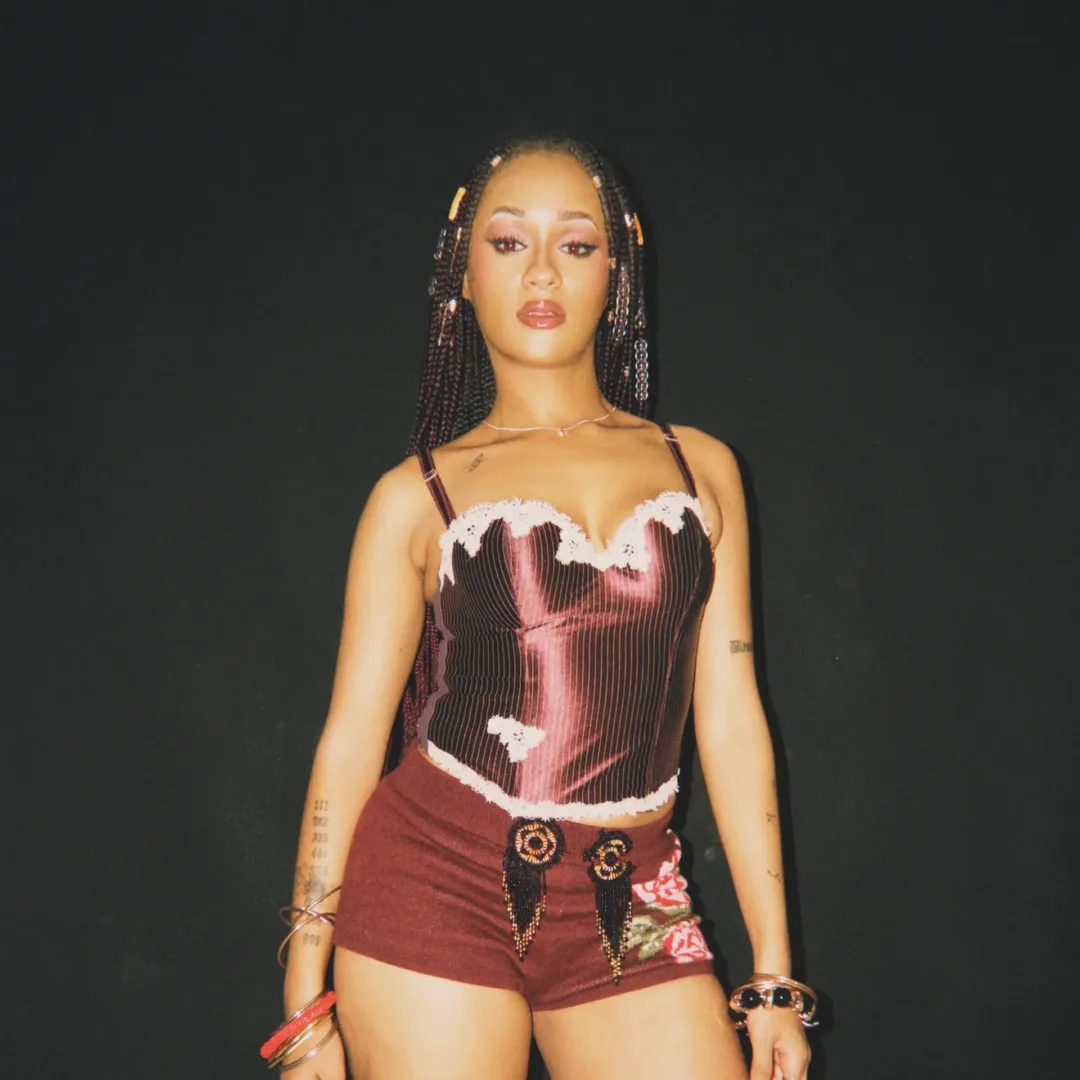
As we celebrate Pride this month, what’s your hope for the South African queer community?
My biggest hope for the South African queer community is that being yourself stops being brave and just starts becoming normal for once. My hope is that the rights we have on paper also reach the streets. From the taxi rank all the way to the family dinner tables. That we keep building and owning our spaces in the places we live in, so that the people who have carried this culture get the recognition and safety they deserve. Pride isn’t just a party, it’s also a promise, and I hope that we keep it long after the month is over.