Hip-hop has always had its sound rooted in struggle. From the foundational era of the ’70s and ’80s to the gangster rap era of NWA and 50 Cent. The genre has always attracted artists who were willing to tell the untold story. The gritty and raw sides of our society that we would rather cover up and turn a blind eye to. The story can’t be covered without talking about the influence of kwaito and, later, kasi rap.
Ghetto Rap
Kwaito, a genre that emerged in the early ’90s, is a fusion of dance, hip-hop and house elements. It was a genre that exemplified township culture in South Africa, with artists like Arthur, Oskido, Boom Shaka and Trompies spearheading the sound. This raw and authentic way of making music laid the foundations for kasi rap. Ghetto rap defined the ’00s era of hip-hop in South Africa, and it is the foundation on which the game is built today. Artists like the late Pro Kid and Mr Selwyn are notable names that helped bring the genre to mainstream acceptance. Although hip-hop is an integral part of youth culture today, that wasn’t the case in the early ’00s. The genre only became acknowledged at the 2003 South African Music Awards (SAMAs), with the iconic hip-hop group Skwatta Kamp winning the first-ever SAMA for Best Rap Album for their Khut En Joyn album. Twenty years later, “street” rap has gone through an evolution, with new voices emerging from townships around the country. 25K, Maglera Doe Boy and Thato Saul are the three artists who represent the different voices and stories of young people in the country
25K - The Kid On The Corner
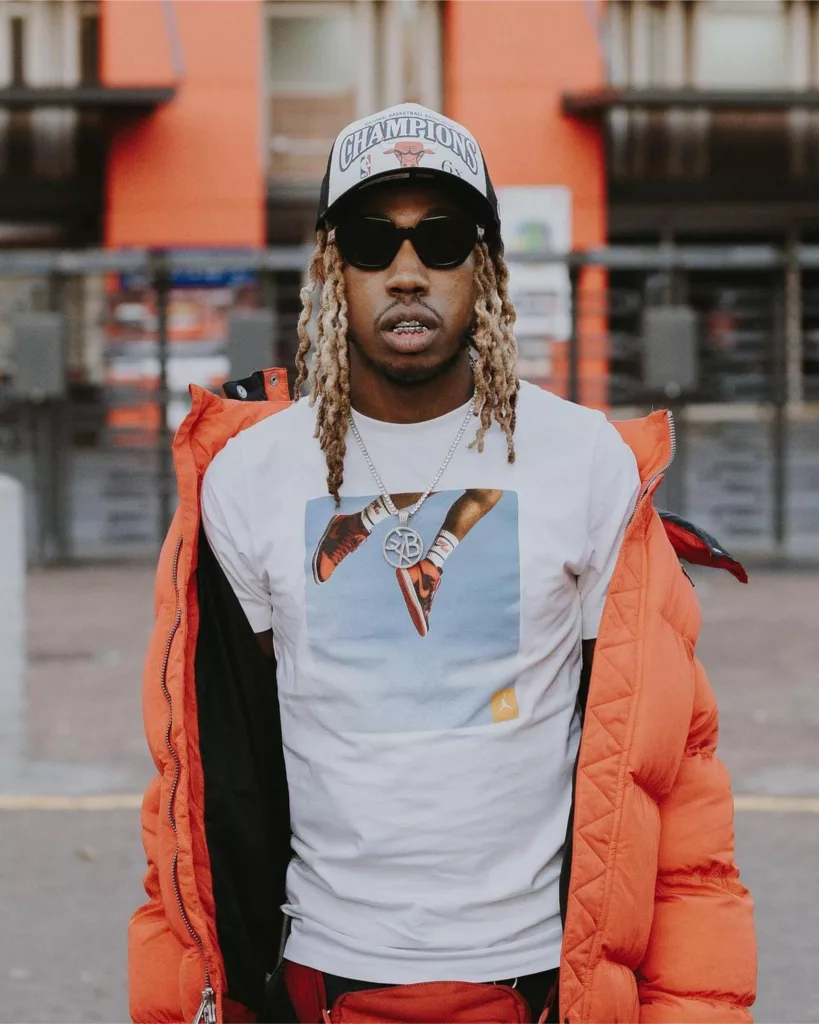
Pheli artist 25K tells the tale of being involved in, shall I say, not-so-legal activities. He represents the person who had chosen, or rather, had been chosen by life in the streets. His music intrinsically carries the energy of street rap. He started building a buzz for himself with the song ‘Culture Vulture’ in 2019. His clear Pretoria-influenced manner of rapping was the sort of authenticity the SA hip-hop landscape didn’t have at the time. On the first verse of ‘Culture Vulture’ he raps, “Majin Buu o kamo hare (Buu)/Mara nkase mo lebale (Ntjwaka) /O bolaile motho, ake hane (Murder)/And I’m still screaming free Mashobane!”
25K announced that his album would be titled Pheli Makaveli. A nod to his hometown, Pheli, a township in Atteridgeville, Pretoria, and the influence West Coast hip-hop has had on him, which can be most felt on the 2Pac sample, ‘Blarofornia’. Atteridgeville is known for its rich jazz history, but it is also a community, like many others in the country, that suffers from socio-economic issues. The lack of employment and opportunities in areas like 25K’s hometown of Pheli leaves the youth with very few options outside of crime to make ends meet. Being around those hustlers is how 25K became the rapper he is today.
The cyclical noise of SA hip-hop being dead had been as loud as ever in 2021, which was one of the reasons why 25K’s debut album was one of the most anticipated drops of the year. With all eyes on him, 25K released the first single from the album, ‘Pheli Makaveli (Intro)’. The song feels ominous and eery, and 25K opens the song by rapping “I came from one place that’s known for jacking, killing, robbery, kingpins” over sinister chords and keys. Encapsulating the mood and feel of his city and the people he keeps around him.
Maglera Doe Boy - The Kid On The Corner
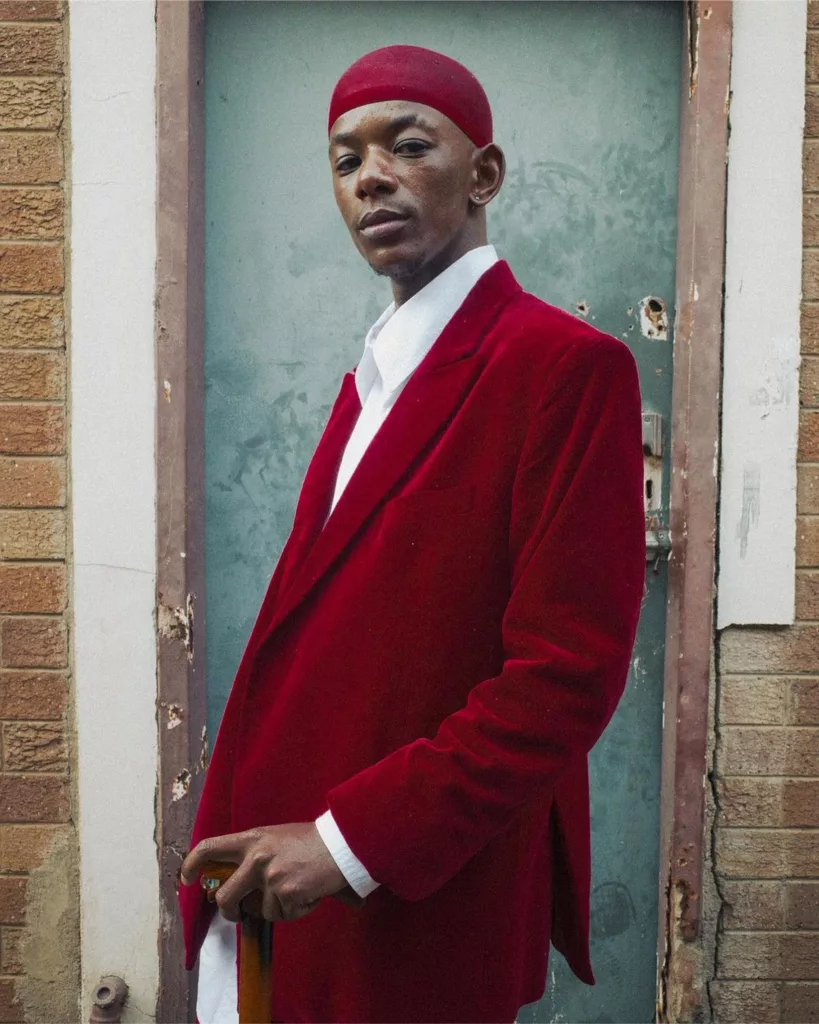
Maglera Doe Boy is a rapper from a township called Maglera in Klerksdorp, North West province. Maglera is a mining town in South Africa, which is where gang culture originated and spread to prisons and, subsequently, the streets. Bearing the name of his town, Maglera Doe Boy represents his neighbourhood in all facets. From the lingo to his clothes, Maglera is as authentic as they come in South African street rap culture. His experiences of flipping weed and other substances, childhood family trauma and affiliation with sets of gangs in his hometown all inspired the music he makes.
Maglera Doe Boy’s career started gaining traction with a single titled ‘Bodega’. His fusion of English, Taal (street slang) and Portuguese references is something we hadn’t heard in the game before. The visuals of ‘Bodega’ are striking and perfectly depict the mix of ethnicities and cultures in the township of Maglera. Shot outside of a small strip of bodegas owned by Portuguese families, Maglera Doe Boy is seen wearing floral shirts, gold chains and boat shoes. The unofficial uniform of the first generation of dope boys he grew up idolising.
Thato Saul - The Good Kid In A Mad City
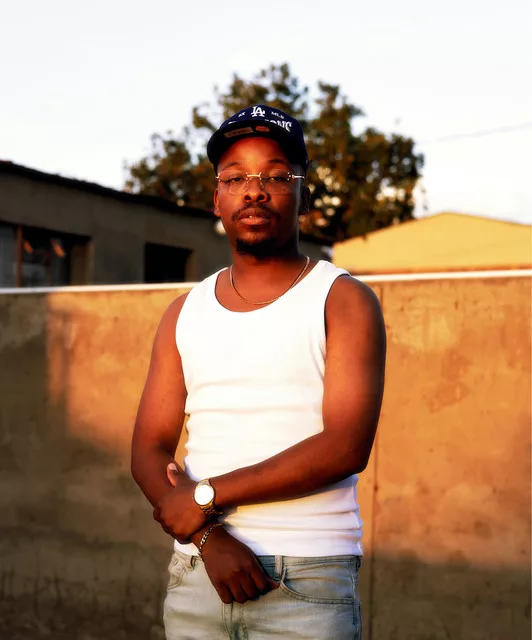
Thato Saul is a rapper from Pheli, a township in the west of Pretoria. Much like 25K, his music is inspired by the culture of Pheli.
I consider Thato Saul a storyteller and a poet who uses his raps to vividly depict the stories of his neighbourhood. His 2020 Members Only album is considered a street classic, and much like Kendrick Lamar’s debut album, good kid, m.A.A.d city, the project garnered him critical acclaim in the game. The comparisons to Kendrick Lamar are most evident on the opening song of Members Only, ‘Still Livin’, which immediately reminded me of Kendrick’s ‘Sherane a.k.a Master Splinter’s Daughter’ because of the cinematic production and storytelling. A lot of what people love about Thato Saul isn’t so much about what he says but also how he says it. Spitori is a type of slang that is spoken in Pretoria, but Thato Saul separates himself from other rappers who rap in Spitori by telling the stories of his community in a dialect of Spitori that can only be understood by people who live in his hometown of Pheli.
Conclusion
In conclusion, street rap might just be the most authentic interpretation of hip-hop that we have in the country. Much like its origins in the States, the genre is at its most prosperous when it shines a light on the realities of marginalised communities.