
When conversations about the greatest female rappers come up, names like Nicki Minaj, Cardi B and Megan Thee Stallion are almost guaranteed to enter the discussion. Their commercial success, cultural influence, memorable records and ability to command an audience have earned them their places in hip-hop history. But the conversation should not end there.
Rapsody, Noname, Tierra Whack and Che Noir represent another side of female rap, one that deserves just as much attention. Their strengths lie in intricate wordplay, storytelling, conceptual projects, technical delivery and the ability to challenge listeners intellectually. They may not always command the same mainstream attention, but their artistry deserves to be measured beyond chart positions and viral moments.
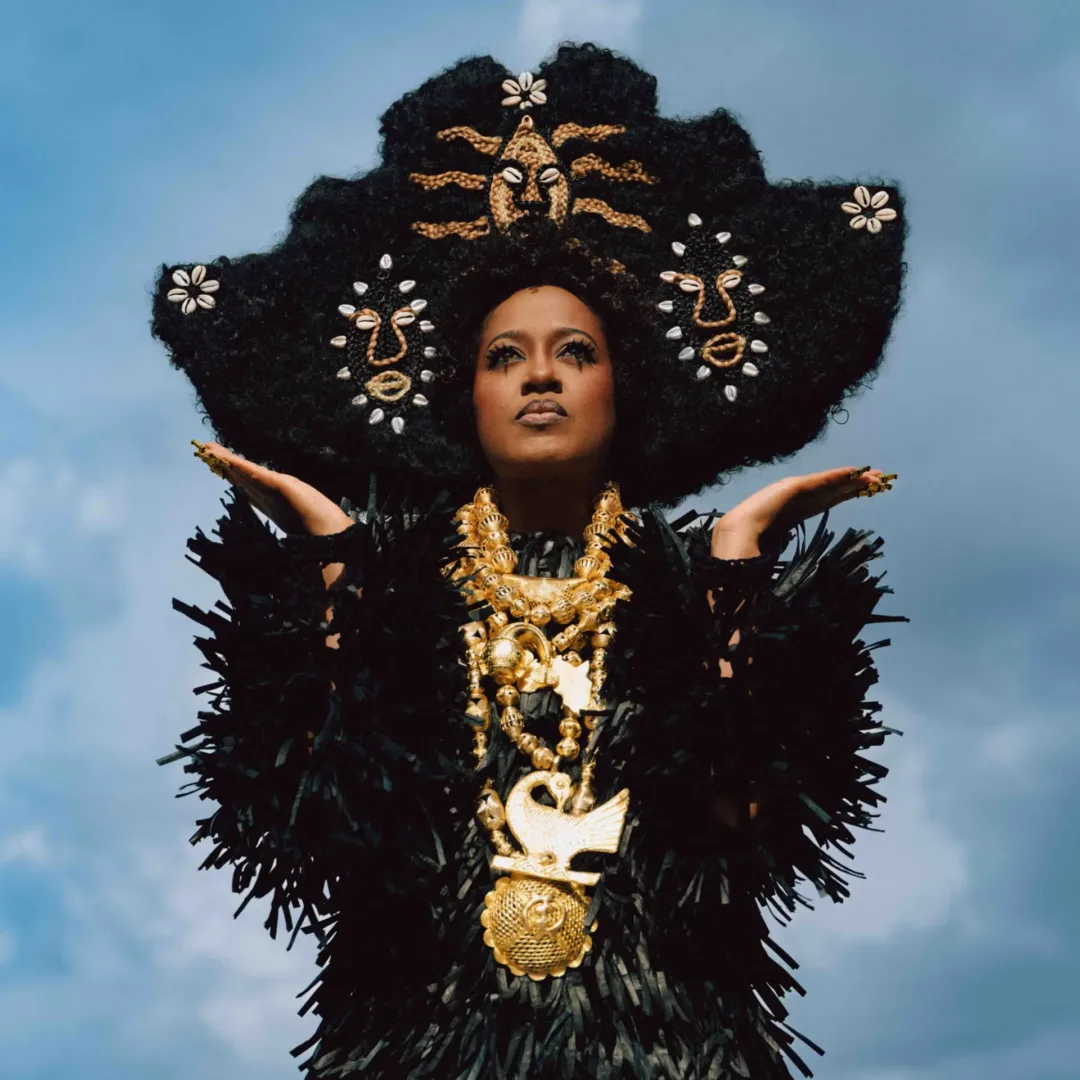
Rapsody has spent years proving that technical excellence and meaningful storytelling can coexist. Her albums Eve and Please Don’t Cry explore identity, Black womanhood, vulnerability, ambition and self-discovery without confining her to the label of a conscious rapper. On Eve, she named every track after an influential Black woman, turning the album into a celebration of women’s contributions to history and culture. It was more than a collection of songs. It was a carefully constructed statement about representation, legacy and the power of women’s stories.
Her ability to weave cultural references, layered rhyme schemes and personal reflection into her music puts her among the most compelling writers in contemporary hip-hop. As The Guardian noted in its review of Eve, her writing is densely referential and carefully constructed. Rapsody reminds us that a rapper can celebrate beauty, confidence and sexuality while also delivering substance. Those qualities are not mutually exclusive.
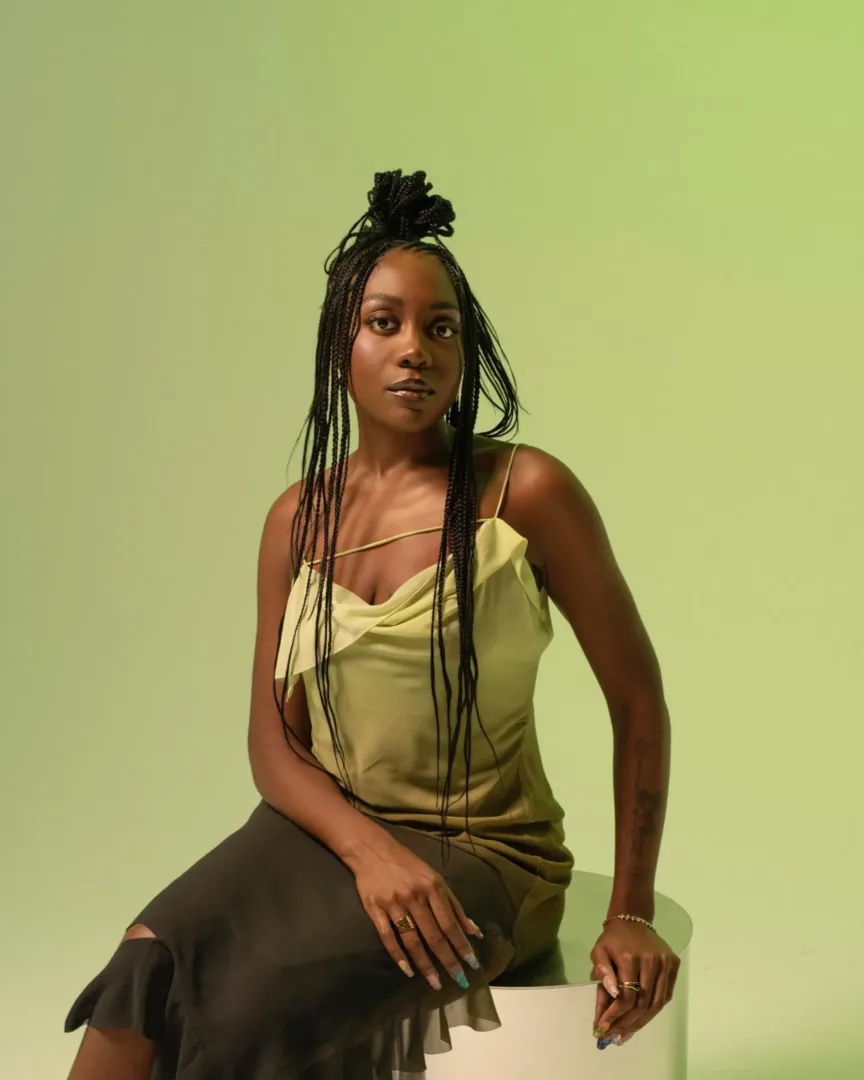
Noname approaches hip-hop like a writer studying the world around her. Her music draws from literature, politics, race, capitalism and everyday human experiences, often using understated delivery to carry complex ideas. Her album Room 25 showcased her intricate rhyme patterns and observational writing, while Sundial continued her willingness to interrogate culture and challenge comfortable narratives.
Noname does not always rely on the loudest delivery or the most obvious punchline. Instead, she rewards attentive listening. Her verses can feel like conversations, essays and poems woven into the same musical space. That is a valuable contribution to rap, a genre built on the power of language. Her work deserves consideration alongside the biggest names in female hip-hop because technical skill is not only about how fast someone raps, but also about what they communicate and how creatively they express it.
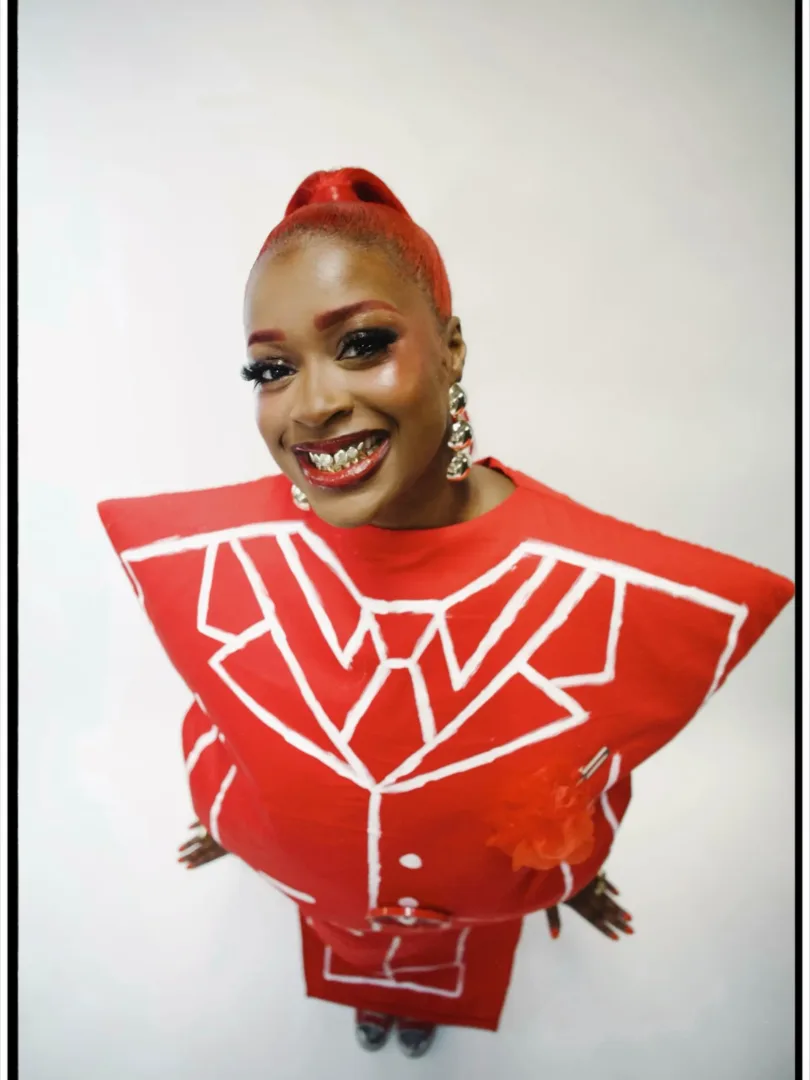
Tierra Whack occupies a lane of her own. Her music blends unconventional storytelling, humour, unusual vocal choices and vivid imagery, demonstrating that rap can be technically sharp without following a predictable formula.
Her 2018 project Whack World remains a striking example of creative risk-taking. Across 15 tracks, each approximately one minute long, she built a series of compact musical worlds, proving that a short song can still contain an entire concept. Whack’s strength is her imagination. She treats the voice as an instrument, moves between characters and moods, and makes unexpected creative decisions that challenge conventional ideas of what a rap record should sound like.
In a music industry that often rewards familiar formulas, her willingness to experiment deserves recognition. She represents the artistic possibilities of hip-hop when commercial expectations do not dictate every creative decision.
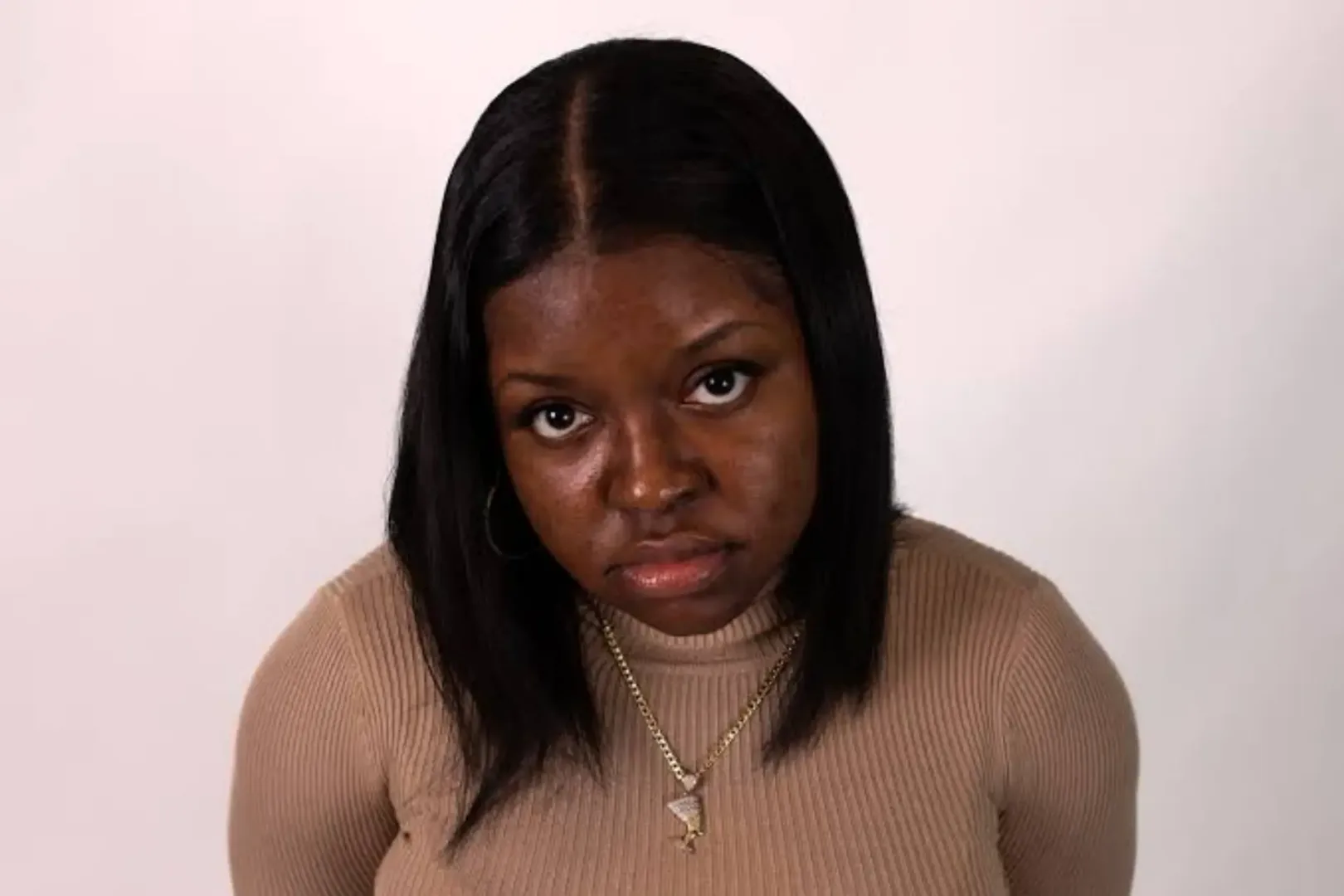
Che Noir deserves more recognition for her contribution to the lyricist tradition. The Buffalo-born rapper and producer has built a catalogue rooted in sharp writing, gritty production and detailed storytelling. Her music often explores survival, ambition, street realities, personal growth and the complicated decisions people make under pressure. Rather than relying solely on catchy hooks or spectacle, she builds records around the strength of her verses and the atmosphere of her production.
As both a rapper and producer, Che Noir also demonstrates an understanding of how the beat and the writing can work together to strengthen a song’s message. Her independent approach is a reminder that artistic credibility and a strong catalogue do not always translate into mainstream visibility. She belongs in conversations about female MCs who take their craft seriously, particularly when the discussion centres on penmanship, album-making and consistency.
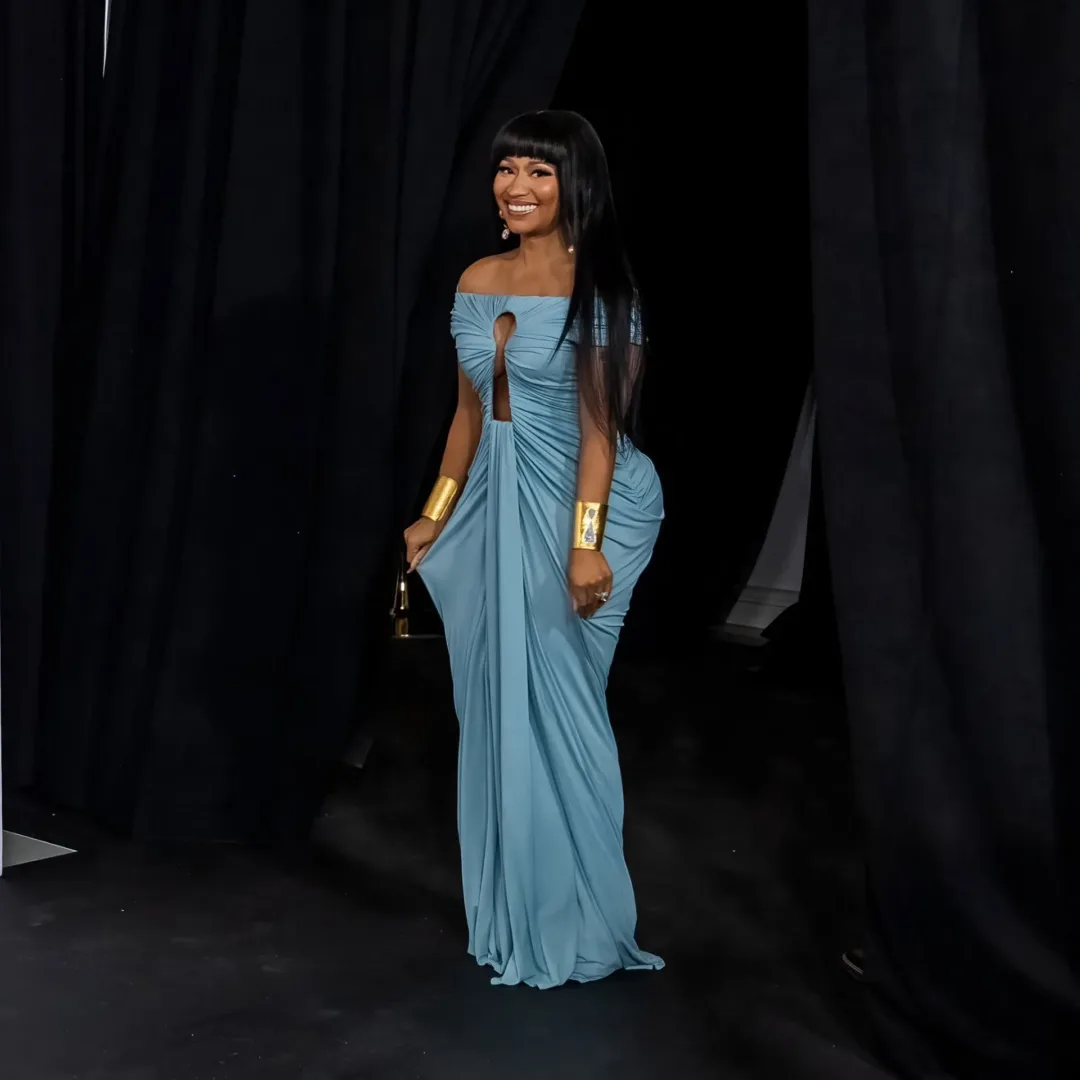
There is nothing wrong with Nicki Minaj, Cardi B or Megan Thee Stallion embracing sexuality, fashion, provocative imagery or revealing outfits. Women should have the freedom to decide how they present themselves, and their choices should not automatically be used to discredit their music. Nicki is an exceptional stylist with a distinctive flow and a history of memorable verses. Cardi has a recognisable voice, charisma and a gift for making records that connect with mass audiences. Megan has demonstrated technical ability, rhythmic precision and confident delivery. Their contributions should not be dismissed simply because their music sometimes centres sexuality or their public images attract attention.
The real question is why the industry can sometimes make image and spectacle more visible than the writing itself. When provocative visuals, social media debates and viral performances dominate coverage, listeners may overlook artists whose strengths lie in conceptual albums, intricate rhyme schemes and storytelling. That is not necessarily the fault of the artists who receive the attention.
It is a challenge for media, marketing teams, award platforms and audiences to broaden the way female rap is discussed. We should be able to celebrate a woman who confidently expresses her sexuality and a woman who writes dense, politically conscious verses without treating them as opposing examples of what a female rapper should be.
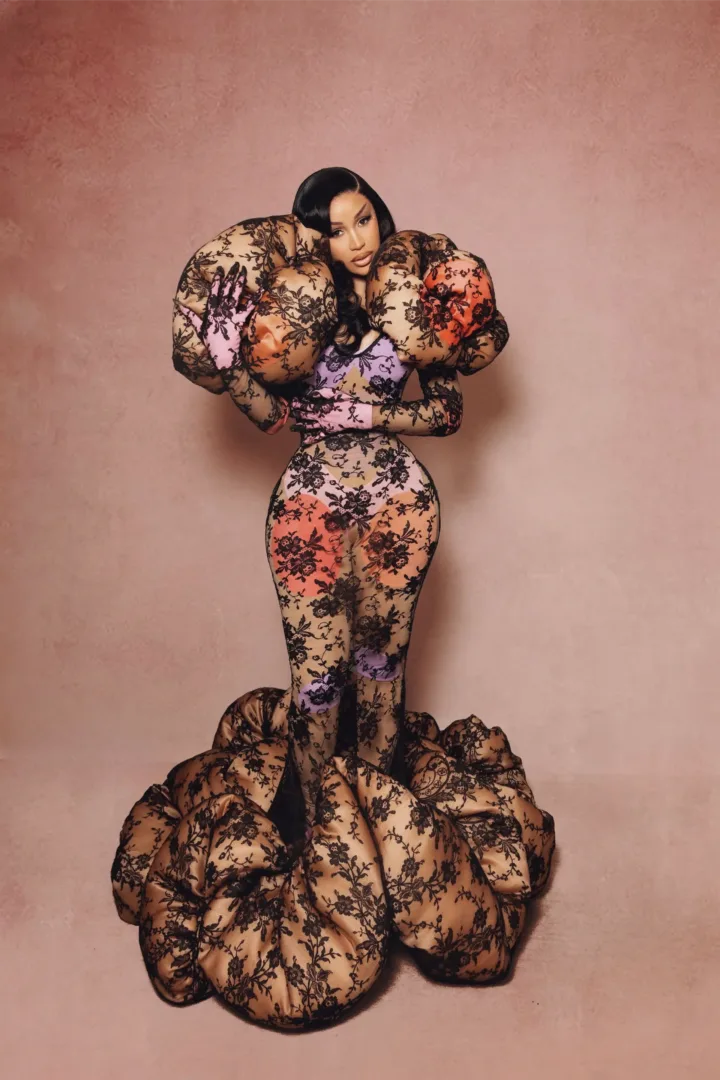
The problem is not that some artists reveal more of their bodies. The problem is when the industry gives greater weight to physical appearance than musical ability, or when women are marketed primarily through their bodies while their writing receives less critical attention.
Rapsody, Noname, Tierra Whack and Che Noir should be mentioned alongside Nicki Minaj, Cardi B and Megan Thee Stallion because they expand the possibilities of female rap.
One group may be more commercially visible, while another may be more celebrated for particular aspects of lyricism, experimentation or conceptual depth. These are different measures of success, and hip-hop is richer when all of them are recognised. If we are serious about discussing the best women in rap, we must look beyond streams, sales, social media engagement and aesthetics. We must examine the verses, the albums, the ideas, the flows and the risks artists take with their craft.
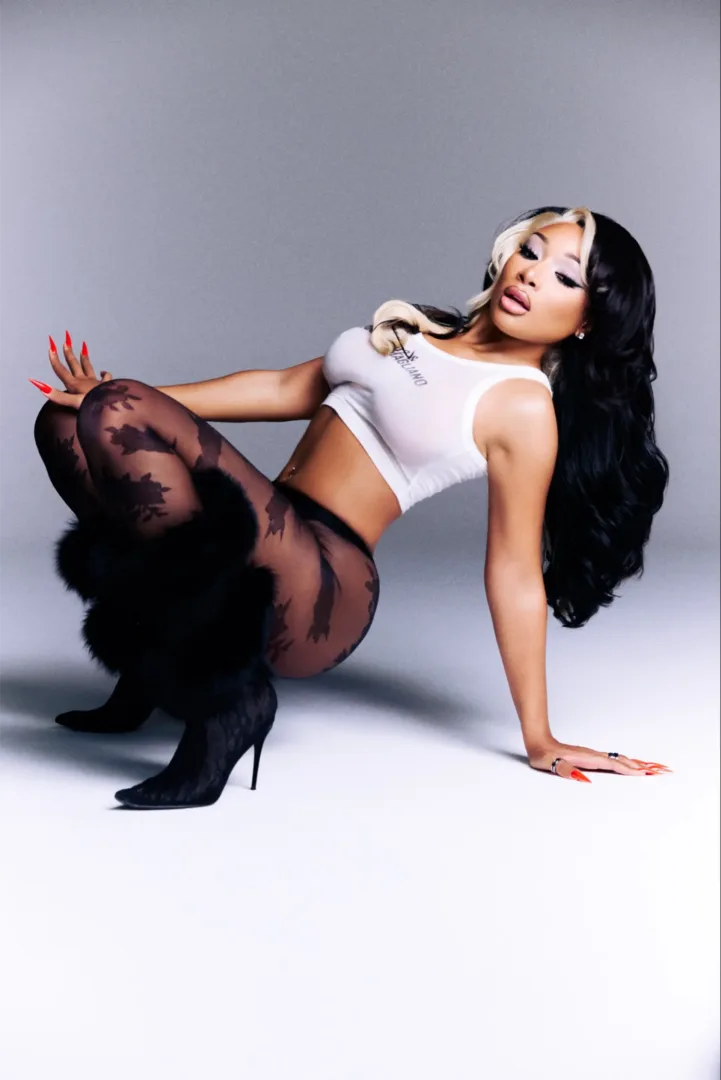
Female rap does not need another narrow definition of what a successful woman in hip-hop should look or sound like. It needs a broader conversation that recognises different forms of excellence. Because the culture should have room for the hitmakers, the storytellers, the experimentalists and the lyricists. And Rapsody, Noname, Tierra Whack and Che Noir have more than earned their place in that conversation.