Women In Hip-Hop
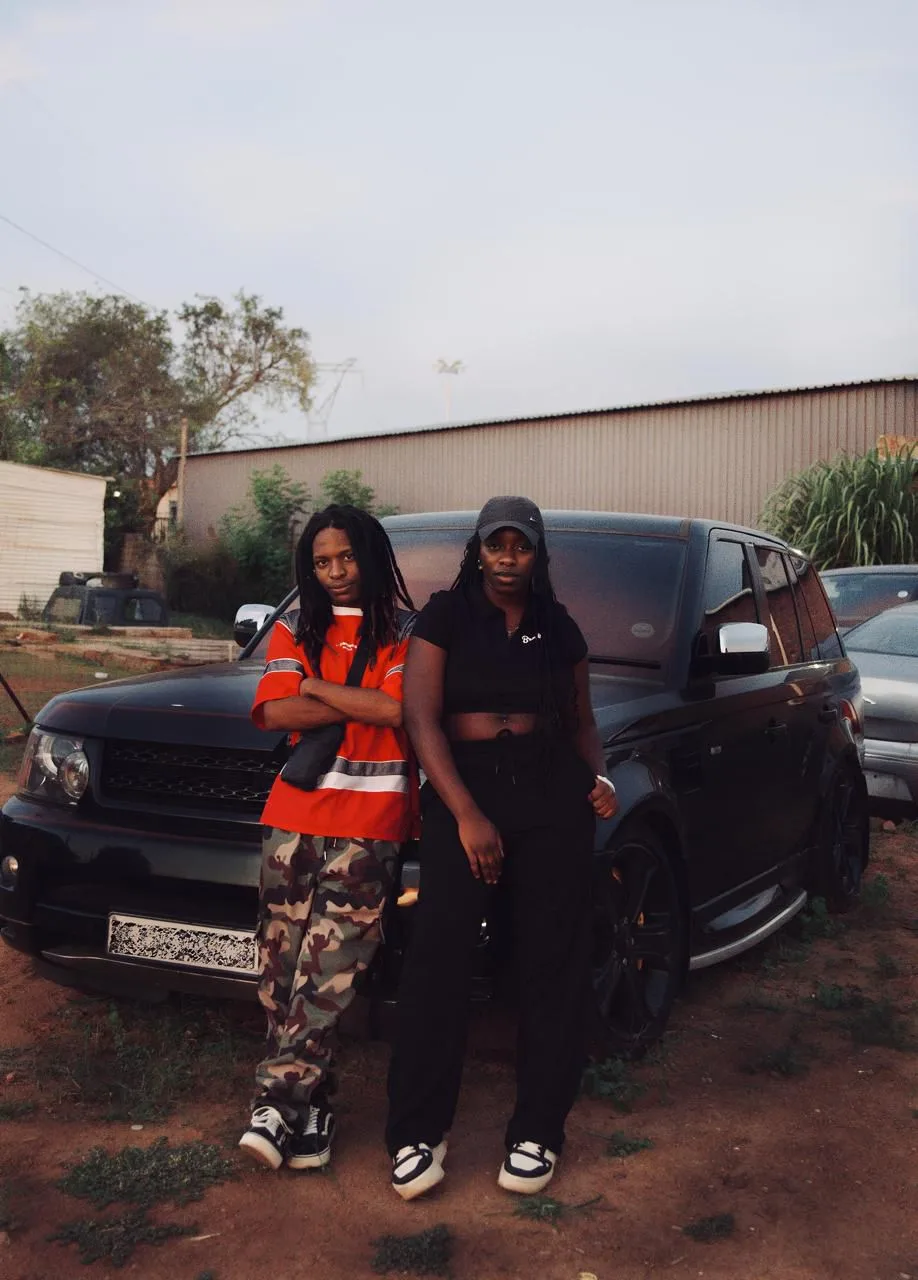
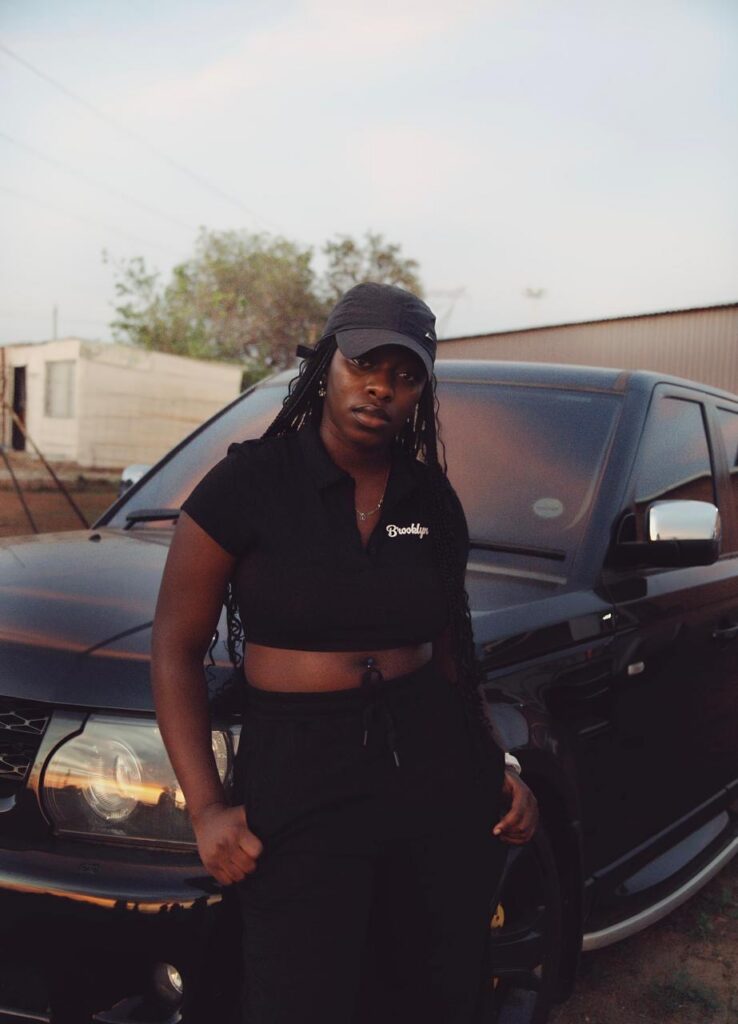
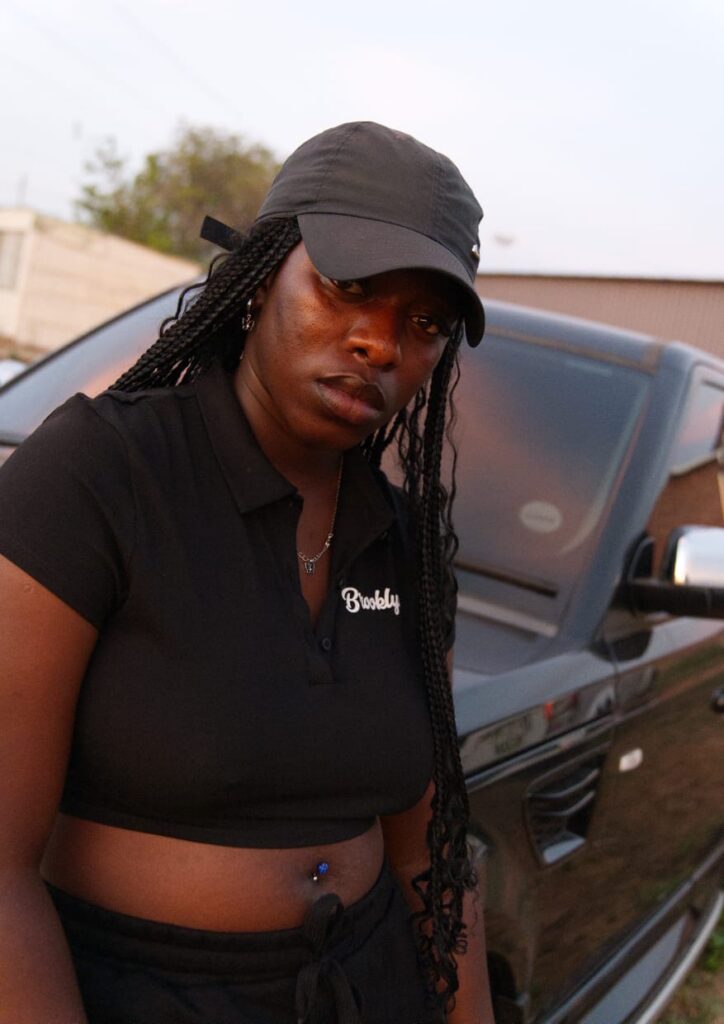
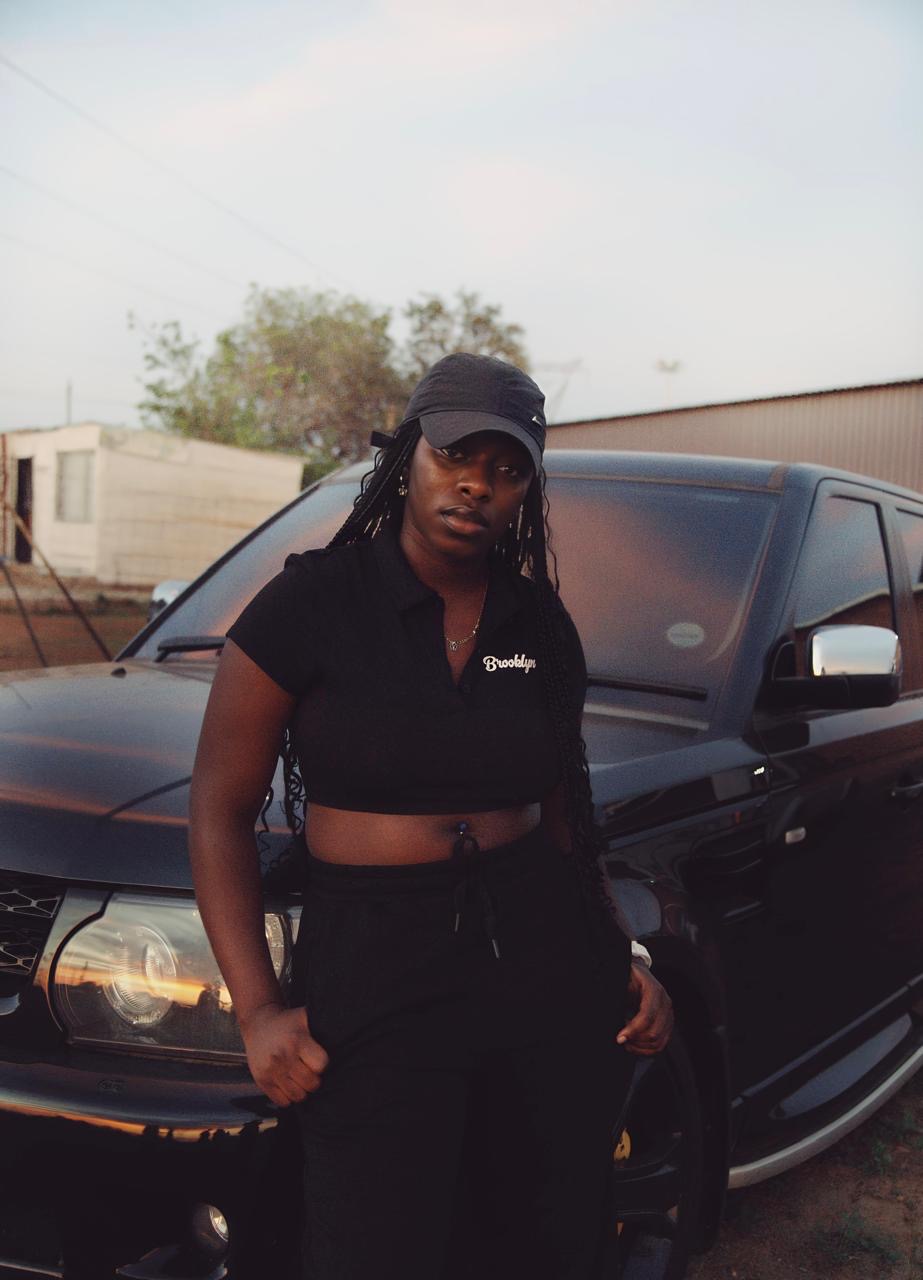
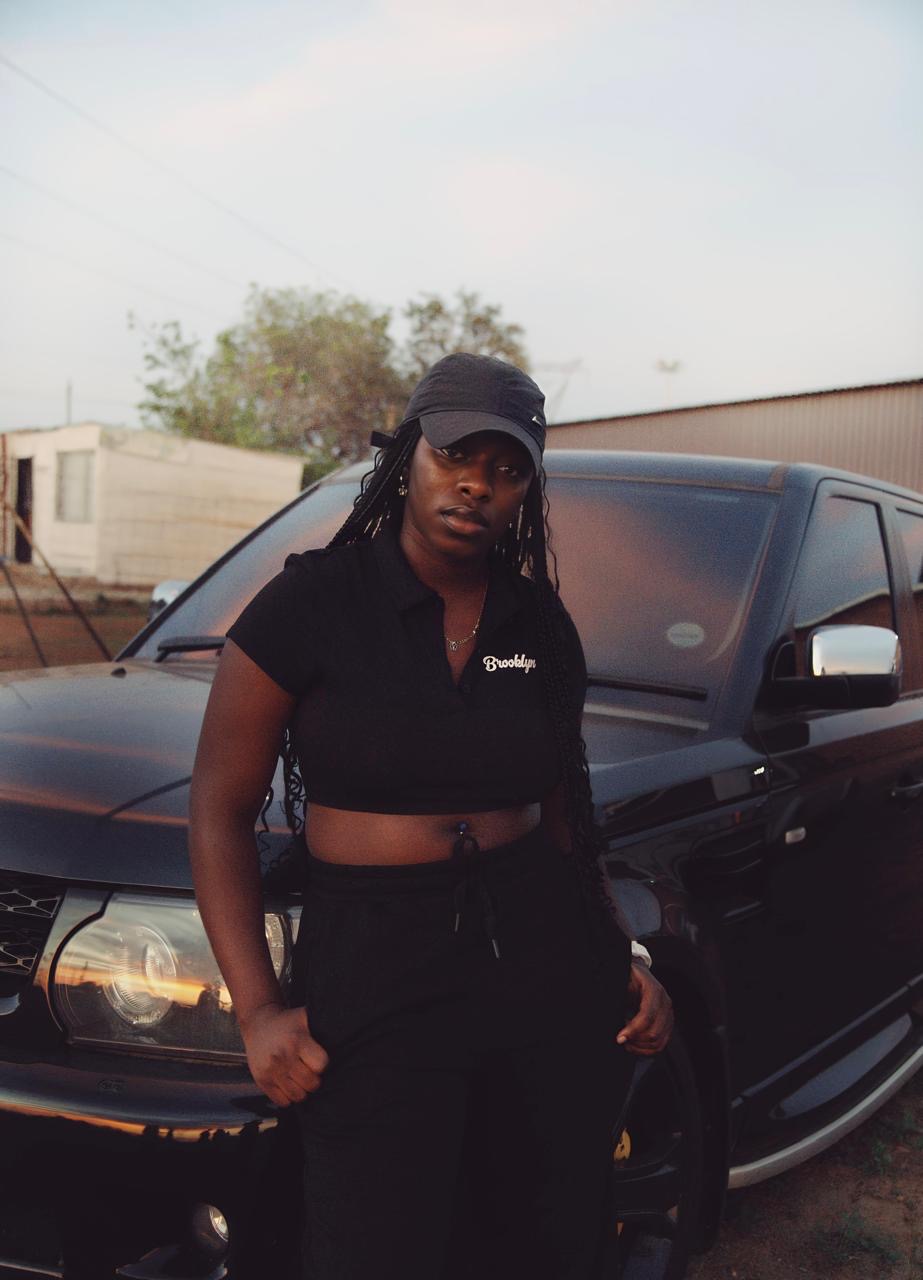
Women in African Hip-hop is all about spotlighting the best talent across the continent and, yes, that includes the incredible women shaping the sound right here in South Africa. In this edition, we tap in with an artist I first came across while bumping Berry Jive’s music.
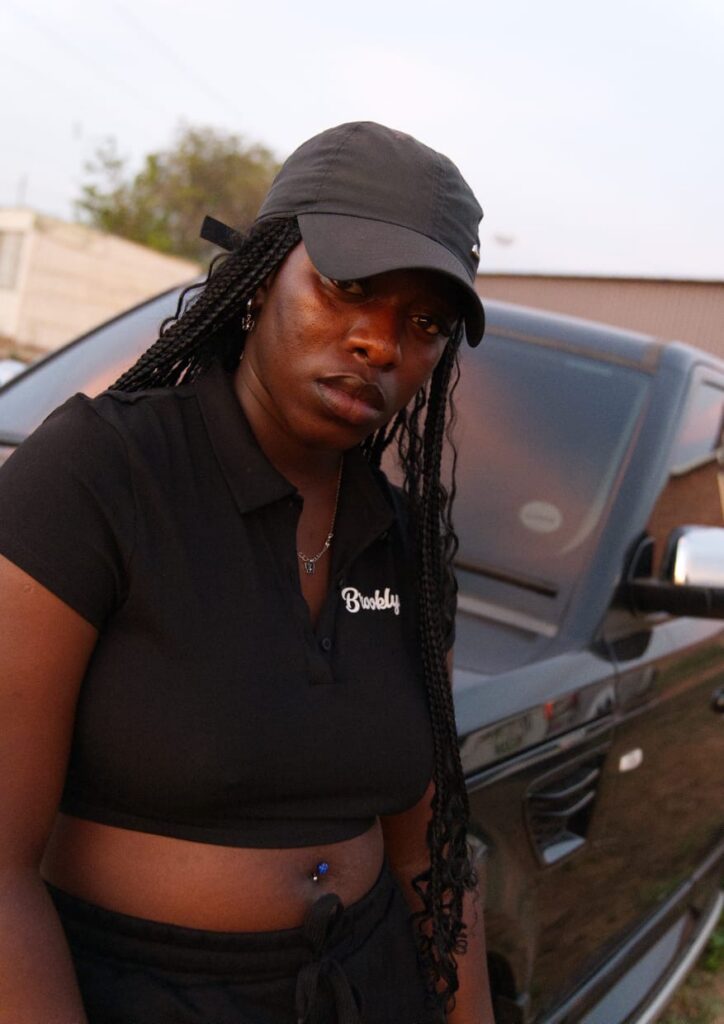
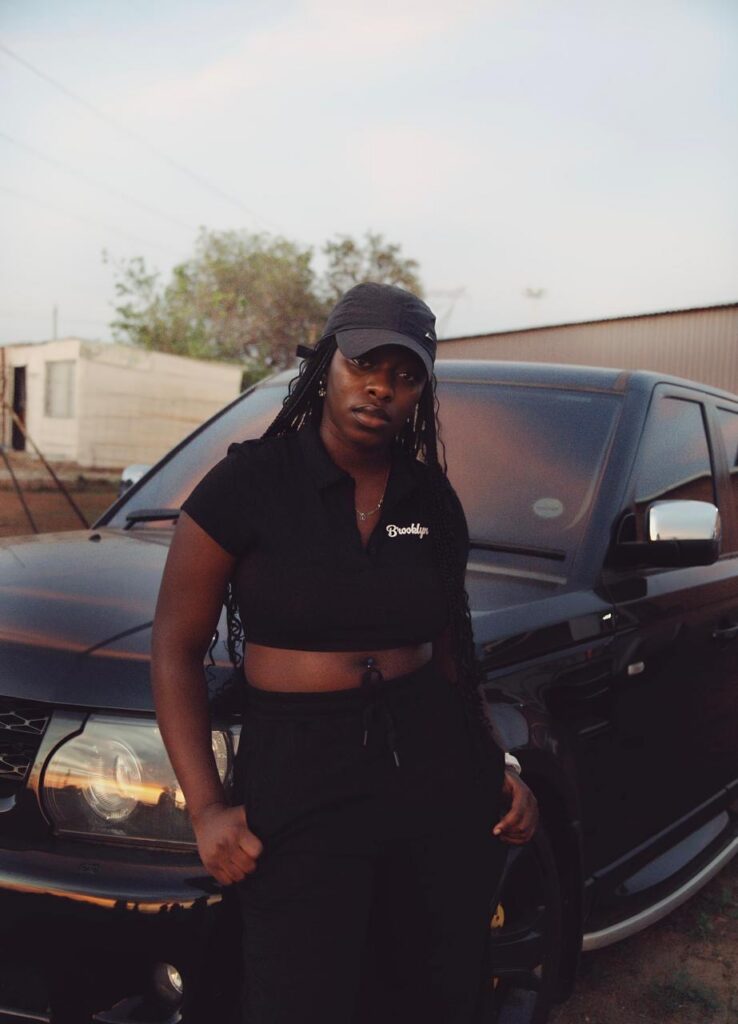
Grace Joao, widely known as Shee Blaaq, is a 21-year-old recording artist, songwriter and brand model born in Mafikeng and raised in Letlhabile, North West. She’s been steadily making her presence felt in the Pitori rap scene, with two standout features on Berry Jive’s latest mixtape. With each appearance, she’s been earning praise from fans for her sharp delivery and undeniable energy on the mic. Let’s get to know her better.
You were born and raised in Letlhabile, North West, but you’re heavily active in the Pitori rap scene. How has moving between these two worlds shaped your sound and identity as an artist?
I was born in Mafikeng and later moved to Letlhabile, which is where I’ve been living since. I’ve never lived in Pretoria, but the lifestyle in Letlhabile and Pretoria is similar. From the language to the fashion and overall culture. We’re almost like one. So, when I make music, it naturally aligns with the Pitori sound, and that’s how I found myself being associated with that scene.
Your ability to switch between English, Portuguese and “Spraka” (Pitori slang) in your rhymes is unique. How did you develop this multilingual style, and why is it so important to you?
I noticed that a lot of artists were doing similar things, so I knew I had to stand out. I started using Portuguese, which is my home language, mixed with Spraka, the language we speak in the streets, and a bit of English. That blend represents who I am and adds a unique flavour to my music.
A lot of your music focuses on hood stories from the spaces you grew up in and still live in now. What’s one real-life experience from Letlhabile or Pretoria that heavily influenced your songwriting?
My music is inspired by situations that take place in real life. Whether it’s fun moments, struggles or everyday life in the kasi. One thing about where I come from is that there’s always a story to tell, and I turn those experiences into music, so that people can relate.
You dropped your debut single ‘Ase Flopo’ in November 2024 and recently released ‘Gotla Fela’ featuring Concha and Grey Galxy. How has your confidence and approach to releasing music changed between these two singles?
When I released ‘Ase Flopo’, I was very confident and energetic. It was just the excitement of being out there. But with ‘Gotla Fela’, it’s different. It reflects growth, maturity and facing reality. It’s more personal and deeper than my previous work.
‘Gotla Fela’ is produced by Lot_Beatz and is currently only available on YouTube. What’s the story behind the track and why did you choose those features?
I wrote ‘Gotla Fela’ during a time when I was going through a very personal situation. In that moment, I felt like no one could help me but God. That’s where the emotion in the song comes from. I chose Concha because we’ve experienced similar struggles, just in different ways, so she could relate. And with Grey Galxy, I could hear in his voice that he had a story to tell, so he brought that depth to the track.
You’ve been getting a lot of love for your mic presence and delivery. How do you prepare mentally and vocally before stepping on stage or recording?
I like to keep things natural. I don’t over-rehearse. I trust my talent and my instincts. I’m just myself when I step on stage or into the booth. I just tap into the moment and deliver.
What’s the current state of the South African hip-hop scene in 2026, especially in Pretoria/Pitori? Are there any new waves or artists you’re excited about?
Right now, in Pretoria, the scene is competitive and everyone is pushing to stand out. I don’t really focus on feeling inferior to anyone. I stay in my lane. But I do appreciate artists like Coli Cougar because he makes meaningful music with real messages, not just empty lyrics.
How do you see the Pretoria rap scene differing from the scenes in Johannesburg, Cape Town or Durban?
The Pitori scene is very energetic and driven. Artists, including myself, are hungry, consistent and always pushing. There’s a strong sense of ambition and identity. Every city has its own vibe, but Pretoria stands out because of how hard the artists work and how seriously they take the culture.
As a young female artist in the SA hip-hop space, what challenges have you faced, and what do you think needs to change for more women to thrive?
One of the biggest challenges is the stereotype that women only succeed through compromising themselves, which is something I strongly disagree with. Beyond that, I don’t limit myself because I believe women can do anything men can do. For more women to succeed, I think it’s important to focus on making meaningful music that connects with people, instead of feeding into negative expectations.
You’re still an independent artist working with Flip The Gas agency. What has been the biggest lesson you’ve learnt about the music industry so far?
One of the biggest lessons I’ve learnt is that the music industry is business first. Not everyone is your friend, and mixing business with emotions can cost you opportunities. You must stay focused, work hard and understand that no one is coming to save you. You must build your own path.
You’ve been featured twice on Berry Jive’s mixtape. How important were those features for your career at this stage?
Those features were very important for my growth. They gave me exposure, helped me gain recognition and allowed me to showcase my talent to a wider audience. It was a big opportunity to prove myself.
African music is gaining massive global attention right now. Where do you see South African hip-hop fitting into the bigger African music movement in the next few years?
I think South African hip-hop has huge potential globally, but artists need to put in more effort and stay consistent. If we take the craft seriously, there’s no reason we can’t stand alongside international artists in the future.
What does success look like for you in the next 2-3 years? Where do you want to take your career and brand?
I see myself growing into a bigger brand. I see myself having my name on billboards, attending major award shows and getting booked internationally. That’s the level I’m working towards.
If you could collaborate with any three artists in South Africa (dead or alive), who would they be and why?
I would choose Riky Rick because he believed in putting young artists on, Cassper Nyovest because he understands the business and knows how to dominate the game and, finally, Rouge because her energy matches mine and I really respect her artistry.
Last one – you’ve mentioned wanting your poetic rhymes to be heard more widely. What message do you want listeners to take from your music, especially young people from the hood who relate to your stories?
I want my listeners to enjoy life when they can, work hard when they need to and always remember where they come from as motivation to do better. Most importantly, I want them to keep the faith and build a strong relationship with God.