Spotlight
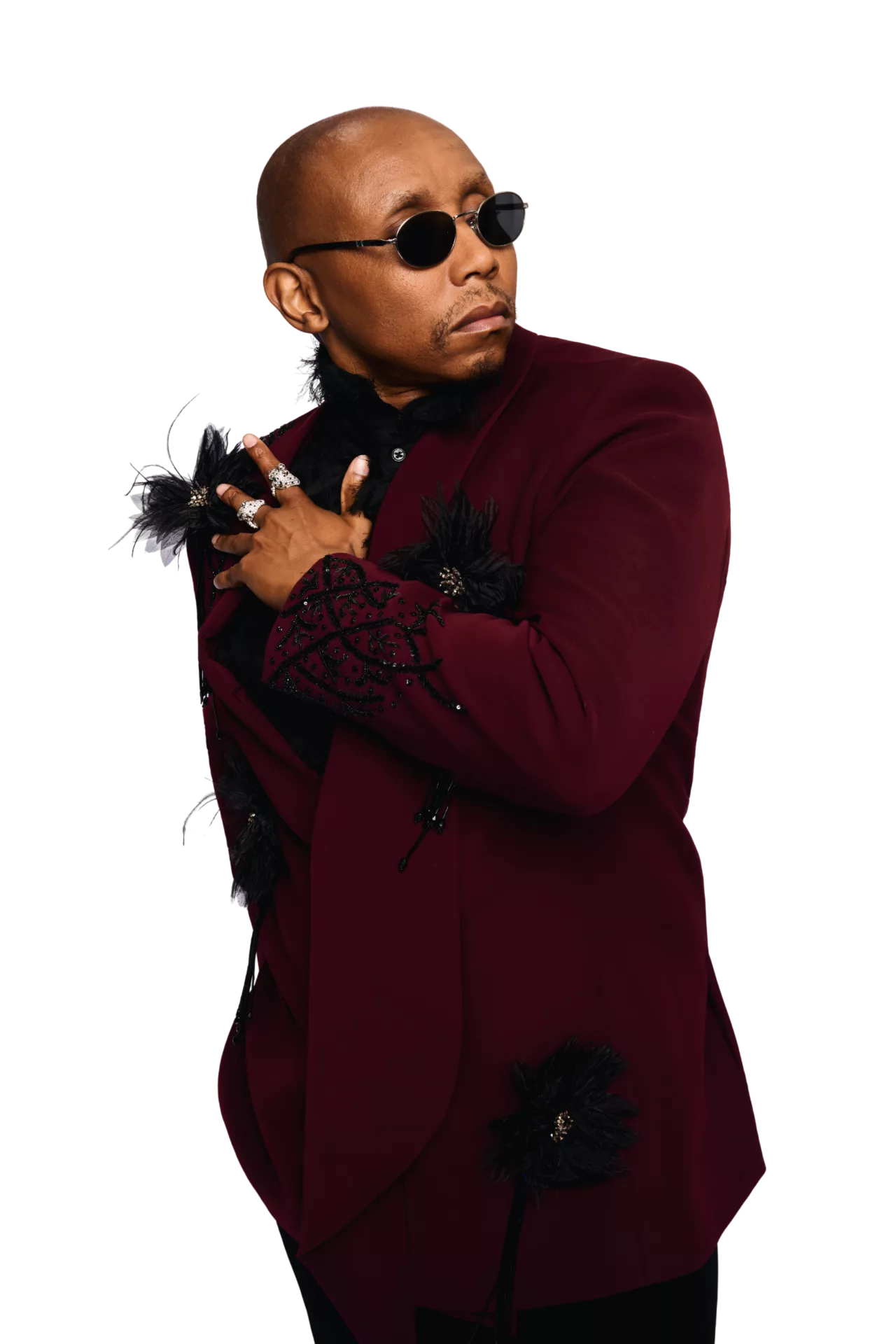

Netflix - The Polygamist
S'dumo Mtshali
Dangerous by Design
Why S’dumo Mtshali believes great actors should leave audiences uncomfortable, challenged and wanting more.
Text: Lesiba Mankga // Images: Supplied
For many actors, success is measured by awards, ratings or the longevity of a career. For S’dumo Mtshali, it’s something far more profound. He isn’t interested in simply delivering a convincing performance; he wants to provoke, challenge and leave audiences feeling something long after the credits roll. That’s why he describes his ultimate goal as becoming a “dangerous actor” — the kind of performer who doesn’t just play a character but transforms the story itself.
After years of bringing unforgettable characters to South African screens, Mtshali has reached a point where reflection matters as much as recognition. From the childhood moments that first sparked his love for storytelling to his thoughts on the evolution of the local film and television industry, he speaks with the perspective of someone who has grown alongside it. In conversation with us, the acclaimed actor opens up about the craft, the changing face of South African storytelling, the realities of social media and the legacy he hopes to leave for the next generation of creatives.
There are three types of actors: there is a good actor, there is a great actor and then there is a dangerous actor. At some point, you try to hit all the marks.
The Conversation
Q
Your journey in the entertainment industry was inspired by many acclaimed actors.
There are so many. I can remember when I was younger being called S’dumo “Is Good, Is Nice”. For a long time, they forced me to accept the name and appreciate it, which I didn’t. All they could tease me with was the name. It made me appreciate Joe Mafela’s work so much more, and he was a great influence in my life. I ended up wanting to know more about his life. Another moment that comes to mind is being in a production in primary school called Little John. I have vivid memories of being on stage. It made me not want to leave the stage. Another moment came much later when I saw Elise Pearson and Bheki Mkhwane performing in front of us.
Q
Looking back, what moments do you feel shaped you the most as both an actor and a person?
I just remember that my parents would love to talk while they were watching TV, and it would just add to the atmosphere of the night. I wanted that. I wanted to make people express themselves by talking while they watch me perform.
There was a film that my father loved called Lean on Me, starring Morgan Freeman. The story is about a principal who comes into the school and wants to change it. This film influenced my father to want to change the mindset of the school he attended in Lamontville. The school had a gang problem and a teenage pregnancy problem. There have been many more moments, like being forced to join Class Act by my parents. There has been a lot of great stuff happening. I send out my love to Akin Omotoso, who cast me to be a part of a particular project.
Q
Every role comes with its own challenges. What draws you to a character, and how do you prepare to make each performance feel authentic?
As I said before, it’s about looking inward into your personal traumas. I stopped thinking about which character I would love to play a long time ago. For me, it’s more about the story. The story is everything, but a character-driven story is essential at the same time. I always had to trust the script. That’s what makes The Polygamist stand out. It’s got a good script with good themes. If there are any challenges, hopefully the writers will know what they are doing. In this country, we don’t pay enough attention to story.
The Polygamist
Now streaming on Netflix
I've been stretched mentally and spiritually. I had to lose weight for The Polygamist. I had to be really pushed in my beliefs and what I believe the character could be.
Q
You’ve portrayed characters across different genres and productions. Which role has pushed you the furthest outside your comfort zone, and what did you learn from it?
I think none of them is close to who I am. They borrow from me; I don’t borrow from the character. I’ve been stretched physically in some of the roles. I’ve been stretched mentally and spiritually in others. For example, I had to lose weight for The Polygamist. I had to be really pushed in my beliefs and what I believe the character could be. There are those challenges that you get, but it all comes together if you have a great director. In the same regard, actors should be dangerous. A dangerous actor makes you feel triggered.
Q
The South African film and television industry has evolved significantly over the years. From your perspective, what are the biggest changes you’ve witnessed, and where do you think the industry is headed?
The biggest changes are that there are more female writers and better opportunities for black production companies. Stories are now coming closer to us. The Polygamist was a roundtable of black women. However, we still need to be diligent in our process of selecting writers. The commissioning editors are rushing in their decision making. The same can be said for actors. An actor should struggle and go through tribulations.
Q
Social media has changed the relationship between actors and their audiences. How has that shift influenced the way you engage with fans and your public image?
I started off there. I started off with Class Act, where I asked people to vote for me on social media. Now, I’m on Instagram. It creates an immediate response. It’s almost like being on stage but much harsher. On social media, you can’t take things to heart. There is also the numbers game. Certain people get certain roles because of their social media following. Those are the algorithms that it comes down to. There are good and bad with social media being used in this industry. But I see both sides. I see the good and bad, but unfortunately, it’s where we are. If you look around, it is prevalent in most industries.
Q
What qualities do you think separate a good actor from a truly great one, and how are you still challenging yourself to grow in your craft?
There are three types of actors: there is a good actor, there is a great actor and then there is a dangerous actor. At some point, you try to hit all the marks. A good actor is an actor who comes ready to perform. A great actor transcends. He is great, and we know his consistency. Then there is a dangerous actor. A dangerous actor is an actor who triggers and provides more to the story. I aim to be a dangerous actor. You have to understand your work as if you are a writer and a director. It’s about arriving on set and being like a child and taking everything in.
Q
Looking ahead, what legacy do you hope to leave, not only through the characters you’ve portrayed, but through your contribution to South African storytelling and the next generation of creatives?
I think it’s about creating that bridge that allows everyone to have their fair share. The process started long ago with people like Ayanda Sithebe. I want to create a legacy that doesn’t leave anyone behind.
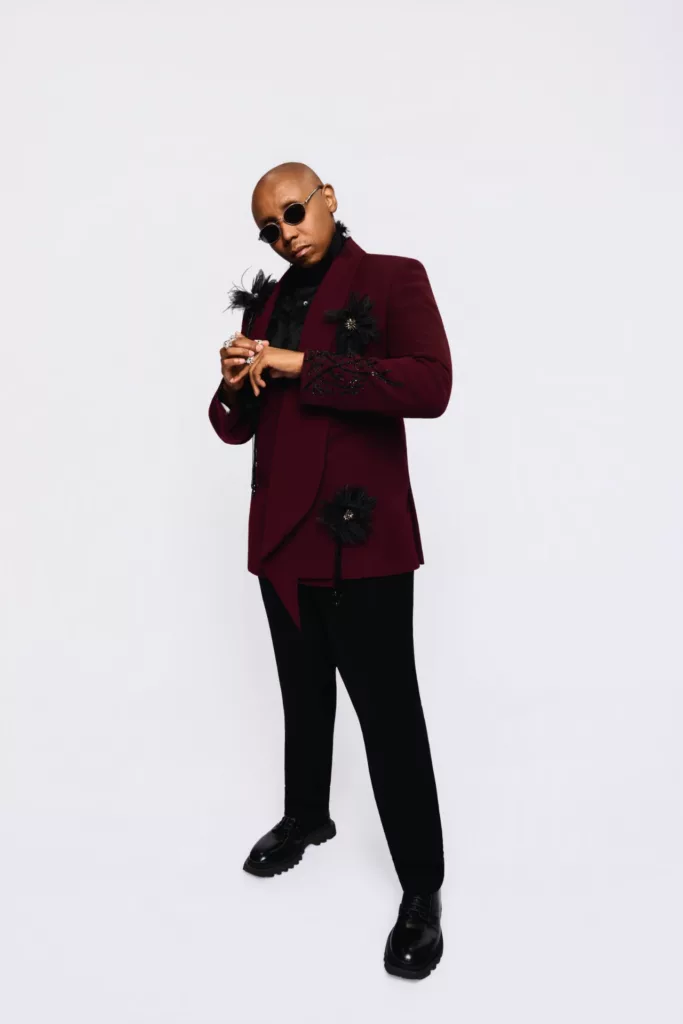
On craft
Good. Great. Dangerous.
A good actor is an actor who comes ready to perform. A great actor transcends — he is great, and we know his consistency. Then there is a dangerous actor: an actor who triggers and provides more to the story. Mtshali’s aim is the third. “You have to understand your work as if you are a writer and a director. It’s about arriving on set and being like a child and taking everything in.”
I want to create a legacy that doesn't leave anyone behind.
Spotlight
HYPE Magazine — Africa’s No.1 Hip-Hop Magazine
Netflix — The Polygamist // S’dumo Mtshali
www.hypemagazine.co.za