
From the streets of New York to contemporary South Africa, two artists show how paintings can carry the same energy, identity and social commentary as hip-hop music.
Hip-hop has never been limited to the microphone. Before it became a global commercial force, it was a culture built on multiple forms of expression, from DJing and MCing to breakdancing and graffiti. Its artists found ways to make themselves heard, seen and remembered, often creating something powerful from the resources available to them. Within that culture, painting became another language for telling stories, challenging authority and documenting life.
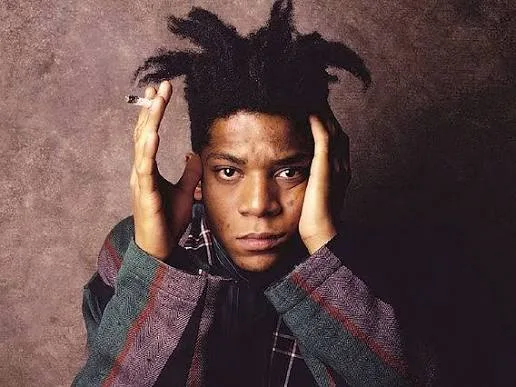
Few artists embody the relationship between visual art and hip-hop as strongly as Jean-Michel Basquiat. Decades after his rise in New York, South African visual artist Samurai Farai is continuing to explore the possibilities of painting through identity, emotion and African experience. Although their styles and backgrounds are distinct, both artists offer a reminder that art can be personal, unconventional and deeply connected to the world around it.
Born in Brooklyn, New York, in 1960, Basquiat first gained attention in the late 1970s through SAMO, the graffiti project he developed with Al Diaz. Their cryptic messages appeared across Manhattan, challenging conventional ideas about art and turning public spaces into platforms for expression. As New York’s emerging hip-hop, punk and downtown art scenes began intersecting, Basquiat developed a visual language that would eventually take him from the streets into major galleries and museums.
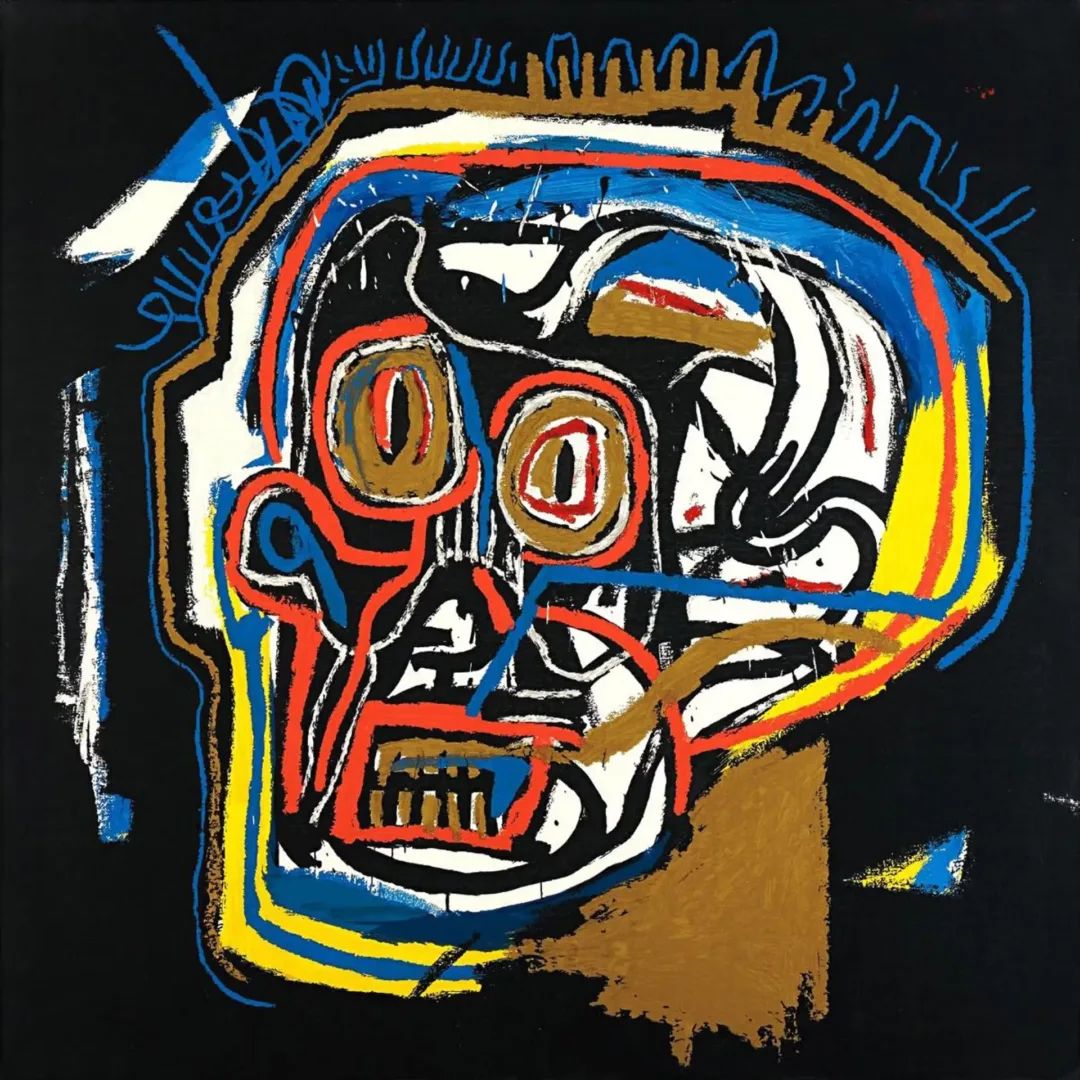
His paintings were anything but quiet. Crowns, skeletal figures, fragmented words, expressive faces and historical references occupied canvases that could feel chaotic at first glance. But beneath the intensity were questions about Black identity, racism, class, power, history and the contradictions of fame. Basquiat did not separate words from images. He layered them together, allowing text, symbols and colour to communicate in ways that often felt closer to a freestyle than a conventional painting.
That approach is important to hip-hop because it reflects a central principle of the culture: taking existing elements and transforming them into something new. Sampling allows a producer to rework fragments of music into a fresh composition. Basquiat’s canvases similarly brought together words, images, cultural references and symbols, creating works that rewarded close attention and multiple interpretations. Museums have explicitly explored these connections between his work and hip-hop’s sampling, graffiti and freestyle traditions.
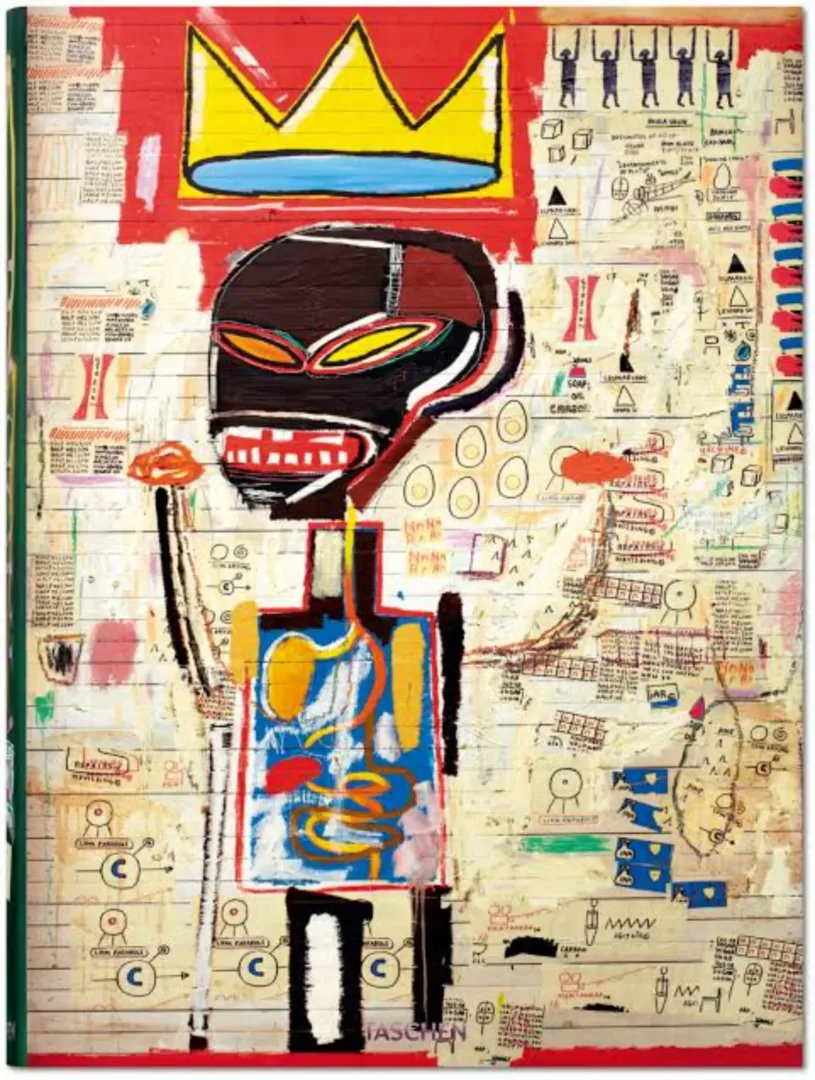
Basquiat’s importance, therefore, extends beyond his success in the art market. He demonstrated that an artist could carry the visual language of the street into prestigious institutions without losing its urgency. His work helped make space for conversations about Black creativity and the legitimacy of cultural expression that existed outside traditional artistic boundaries.
Samurai Farai, the artistic name of South African visual artist Farai Engelbrecht, approaches painting through a similarly personal lens. His practice draws on his Zimbabwean and Afrikaans heritage, Southern African cultural dynamics and the complexities of identity. Working across fine art, objects and wearable forms, he has developed a bold, cubist-influenced visual language marked by strong colour, figurative compositions and emotional depth
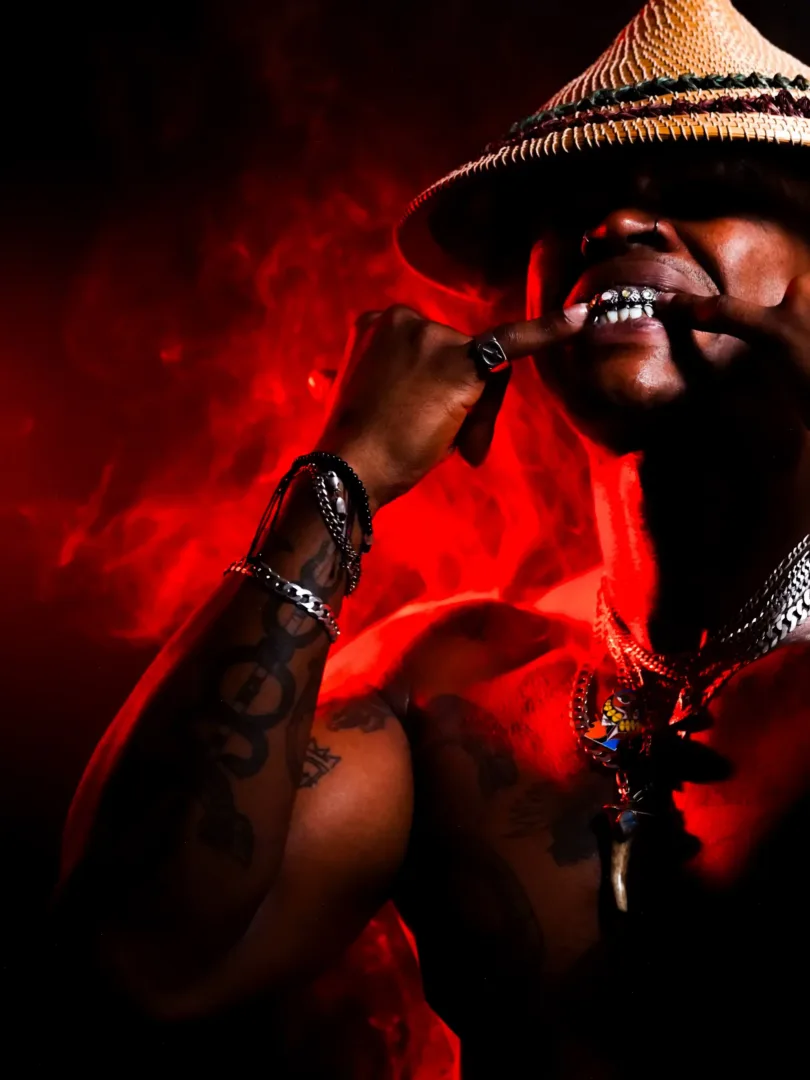
For Farai, identity is not necessarily a straightforward story. It is shaped by the different homes, cultures, experiences and influences that make a person who they are. In a 2025 interview with GQ South Africa, he reflected on growing up between different cultural worlds and how that experience contributed to his understanding of himself. That complexity finds expression in his artistic practice, where the human experience is rarely reduced to a single feeling or interpretation.
His connection to Basquiat is not merely a comparison made from the outside. In an interview with The Citizen, Farai identified Basquiat among the artists who inspired him, alongside the cartoons and animated worlds that shaped his imagination. He also spoke about creativity as something closely tied to his well-being, rather than simply a hobby.
This is where their connection becomes especially compelling. Both artists show how visual expression can become a way of processing lived experience. Their work makes room for complexity, emotion and cultural references that may not fit neatly into conventional categories. However, Farai’s practice should also be understood on its own terms: his African perspective, personal history and visual language give his work an identity that is distinct from Basquiat’s.
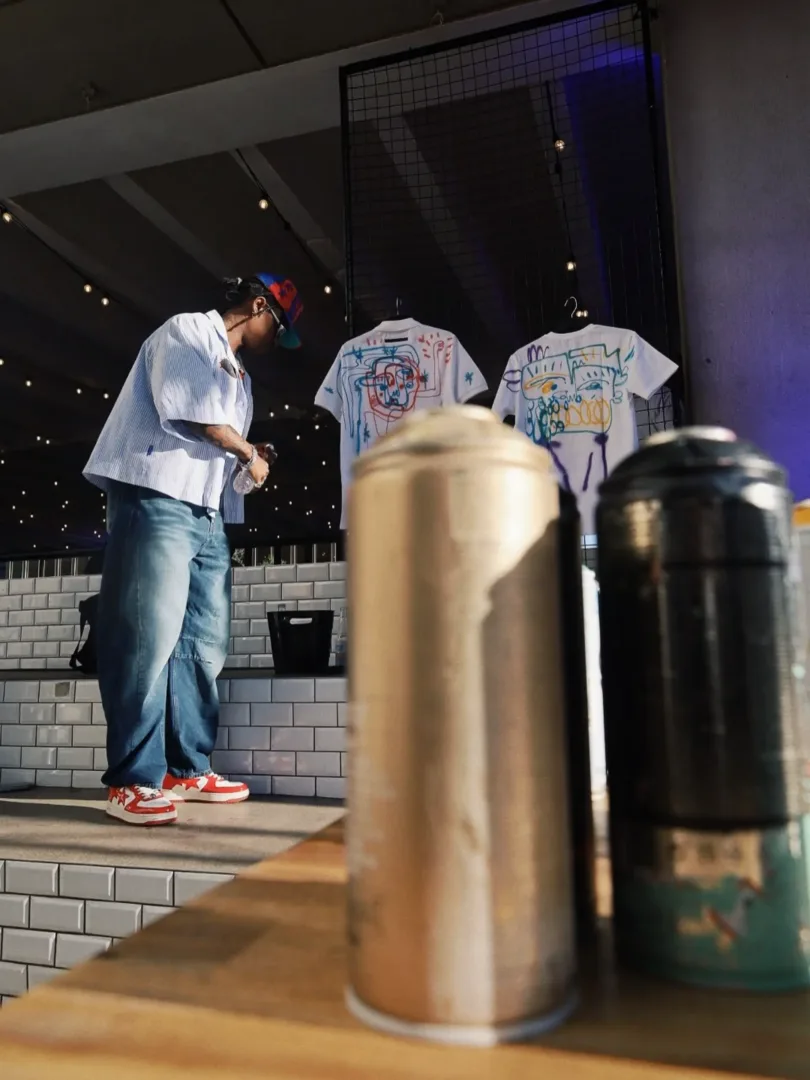
The relationship between these artists and hip-hop goes beyond whether a painting looks like graffiti or appears on an album cover. It is about the idea that creativity does not belong to one medium. Basquiat emerged during a period when graffiti writers, musicians, DJs and other creatives were influencing one another. His career became part of a wider cultural shift in which street-born visual expression entered galleries and museums, helping change perceptions of what contemporary art could be
In South Africa, Farai’s work offers another way to consider the relationship between visual art and hip-hop. The culture has always needed artists who can translate its sounds, stories and identities into images. Album artwork, murals, clothing, stage design and photography all contribute to how music is experienced and remembered. Farai’s own work across fine art and wearable forms reflects the possibilities of moving between different creative platforms. His work has also intersected directly with South African hip-hop, including artwork for A-Reece’s Today’s Tragedy, Tomorrow’s Memory: The Mixtape
For rappers, a verse can communicate a lived experience through rhythm, rhyme and wordplay. For painters, a colour, a face, a symbol or a fragmented phrase can carry a similar emotional weight. Both forms demand an audience willing to look or listen beyond the surface. And both can document a time, place or community in ways that outlast a moment of popularity.
This matters in a culture that often places its greatest attention on the music while overlooking the people who shape its visual identity. The painter behind an iconic cover, the illustrator who gives an independent project its character and the artist who transforms a wall into a cultural landmark all contribute to hip-hop’s history.
It would be too simple to suggest that Samurai Farai is another Basquiat, or that their work communicates exactly the same ideas. Basquiat’s experience as a Black artist in 1980s New York shaped his relationship with racism, the art establishment and the pressures of fame. Farai’s work emerges from a different cultural and historical context, shaped by his own heritage and experiences in Southern Africa.
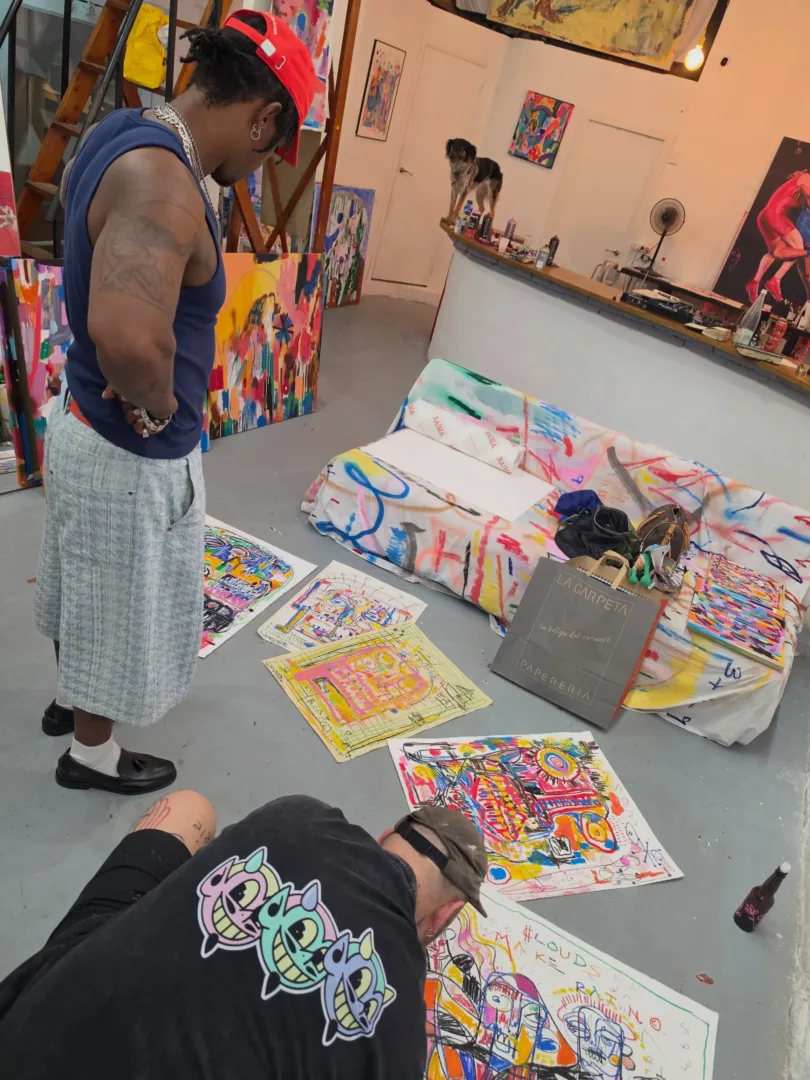
Their connection lies instead in the freedom to create beyond established boundaries. Both demonstrate that painting can hold contradictions, challenge expectations and communicate personal truths without requiring a single, neat explanation.
For hip-hop, that freedom is essential. The culture grew through people experimenting, borrowing, collaborating and creating new forms of expression. Its influence has always extended beyond the beat and the bar, reaching into fashion, design, film and fine art.
Basquiat helped show the world that the street could produce work worthy of serious artistic attention. Samurai Farai brings his own experiences and African perspective into that broader conversation. Together, their stories remind us that a painting can do more than decorate a wall. It can preserve identity, question power, tell a story and give a culture another way to speak.
Hip-hop is not only something we hear. It is something we see, wear, create and leave behind.