
Nigerian Afrobeats star Fireboy DML continues to push the boundaries of his sound, finding new ways to connect with audiences across the continent. His latest single, “IMALI,” brings this vision to life through a collaboration with South African producers JAZZWORLD and Thukutela, blending the infectious melodies of Afrobeats with the rhythmic energy of South African 3-Step. Beyond its vibrant sound, the track explores ambition, personal freedom and the pursuit of a legacy that extends beyond financial success. We caught up with Fireboy DML to discuss the inspiration behind “IMALI,” his creative connection with South African music, and how his upcoming album, ZUKO, reflects his continued evolution as an artist.
What inspired the track “IMALI”?
The inspiration behind “IMALI” came from both the music itself and what the song represents to me: ambition, growth and the desire to build something meaningful beyond financial success. “Imali” speaks to money, but for me the bigger conversation is about personal freedom, creating opportunities and building a legacy that can last for generations. I wanted the record to carry that sense of possibility while still feeling vibrant, emotional and enjoyable to listen to. The creative spark happened very organically in Los Angeles. JAZZWORLD and Thukutela were together in the studio, experimenting with sounds and building the beat that eventually became “IMALI”. They brought a distinctive South African 3-Step influence to the production, and when I heard what they had created, I connected with the rhythm and energy immediately. It felt like a sound I could contribute to in a natural way, so I jumped on the song and began developing melodies, harmonies and vocals around the foundation they had laid. I wanted my voice to complement the beat, not overpower it, and to bring my own Afrobeats identity into the music. What inspired me most was how effortlessly those different musical ideas could come together. There was a real creative connection, and we allowed the music to guide us rather than forcing a particular formula. The result is a song that celebrates ambition and the possibilities that come with it, while also showing the beauty of collaboration between Nigerian Afrobeats and South African 3-Step. That combination of a meaningful message and an authentic musical exchange is what makes “IMALI” special to me.

How did the collaboration with JAZZWORLD and Thukutela come about? The collaboration came together in Los Angeles, and what made it exciting was the opportunity to connect with artists bringing a different musical perspective. JAZZWORLD and Thukutela have their own creative identities, and that gave us something interesting to build on. For me, the most important part of any collaboration is the connection between the people involved. Before you can create something that feels authentic, there needs to be mutual respect and an openness to learn from each other. That was the spirit behind “IMALI”. We were able to bring Nigerian Afrobeats and South African 3-Step influences into the same creative space without losing what makes either sound special. I see the record as more than a feature or a genre experiment. It represents the kind of exchange that can happen when African artists work together, celebrate their differences and find a shared musical language.
The song bridges genres to make it a continental offering. Was that the intention with the song? I think the intention was always to make good, honest music first. I never want a collaboration to feel like we are forcing two genres together just because the idea sounds exciting on paper. The music has to make sense naturally. With “IMALI”, the combination of Afrobeats and South African 3-Step created a really interesting energy, and that became one of the most exciting parts of the record. We come from different musical traditions, but there is a connection in the rhythm, the emotion and the way our music brings people together. That connection allowed us to make something that feels familiar in some ways and fresh in others. If the song travels across the continent and introduces listeners to sounds they might not normally explore, that is a beautiful outcome. To me, the bigger message is that African music has so much range, and we can keep finding new ways to collaborate while respecting where each sound comes from
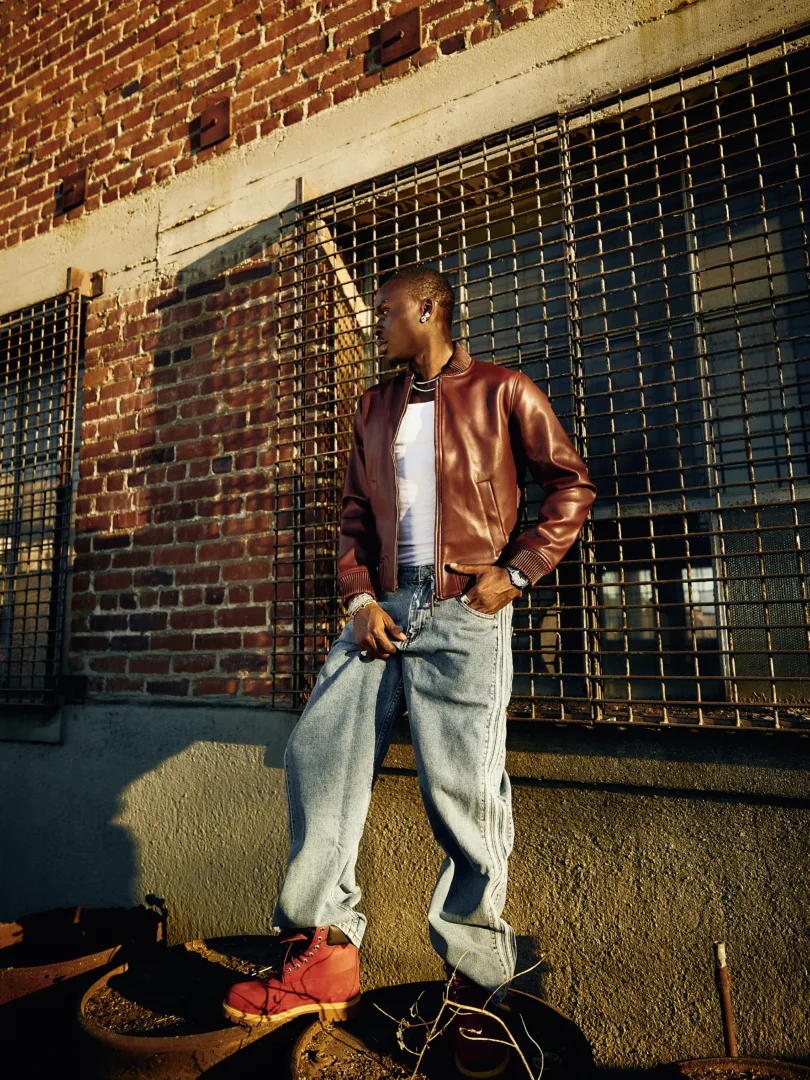
The title “IMALI” speaks directly to money and ambition. What does success look like to you at this stage of your career? My understanding of success keeps evolving. Earlier in your career, it can be easy to measure progress through numbers, milestones or the next big achievement. Those things matter, and I am grateful for them, but I do not think they tell the whole story. At this stage, success is also about having the freedom to create, to make choices that reflect who I am and to keep growing without losing my identity. It is about building something sustainable, something thatcan open doors for the people around me and have value for generations. That is why the idea of generational wealth is important in the world of “IMALI”. It is not only about what you earn; it is about what you build and what remains. I want to keep challenging myself musically, connecting with people through the songs and finding meaning in the journey. For me, that balance between ambition, personal freedom and purpose is what real success looks like.
What was the creative process like for “IMALI”? Was everyone in studio together or was it a case of an online collaboration? The collaboration took shape in Los Angeles, where we connected creatively and explored what we could make together. Having that connection was important because the song brings together different musical approaches. We had to give the ideas room to develop and allow each person’s influence to contribute to the record. I enjoy that part of the process because it reminds me that collaboration is not just about putting names on a song; it is about listening, exchanging ideas and discovering something that might not have happened if you were working alone. With “IMALI”, the Afrobeats and 3-Step influences needed to complement each other rather than compete. What I value most about the result is that the record has its own identity while still reflecting the people and cultures behind it. That kind of creative exchange is what makes collaborations exciting for me.
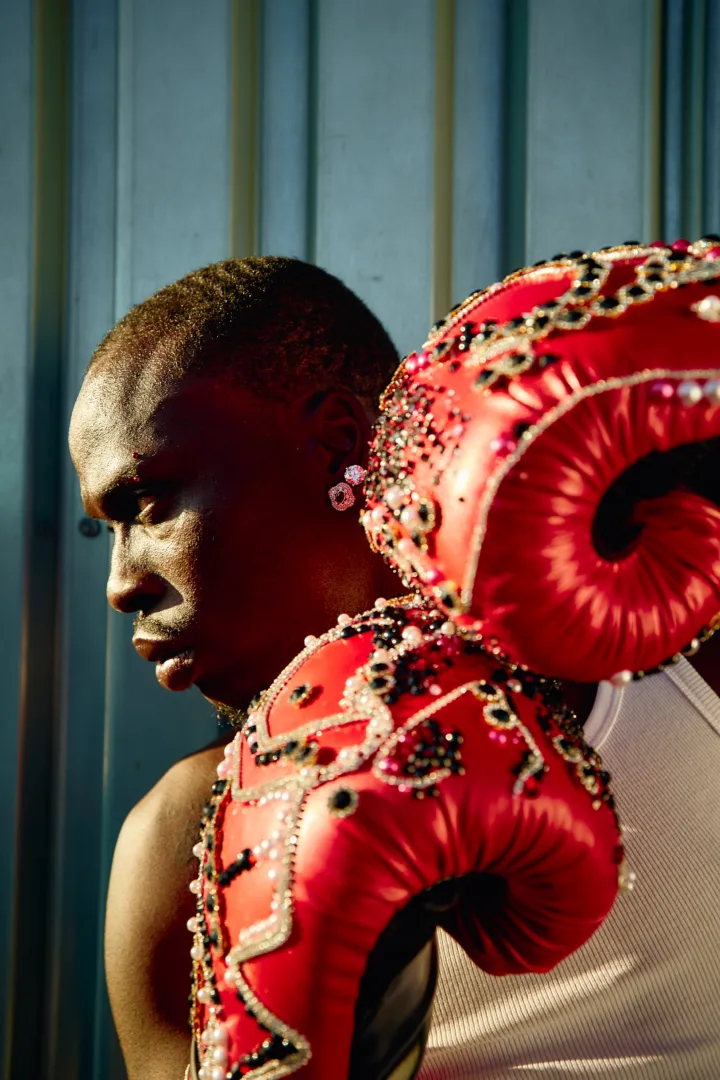
You’ve built a strong connection with South African listeners. What stands out to you about the relationship between Nigerian and South African music cultures? about the relationship between Nigerian and South African music cultures? I have a lot of appreciation for the way South African listeners connect with music and for the creativity coming out of the country. Nigerian and South African music have their own histories, sounds and identities, and I think that is exactly what makes the relationship so powerful. We do not have to sound the same to inspire each other. There is a shared understanding of rhythm, storytelling and music as something that brings people together. At the same time, South African sounds such as 3-Step introduce textures and energy that can push an artist to think differently. What stands out to me is how much we can learn from one another when we approach the music with curiosity and respect. “IMALI” is a reflection of that exchange. I hope collaborations like this encourage more genuine connections between artists across the continent, because there is so much creativity here and so many stories we can tell together.
Given the sonic direction of the song, can we expect songs like this in future from you? I never want to limit myself to one sound or one way of making music. I am always curious about new ideas, different rhythms and what can happen when I work with people who see music from another perspective. “IMALI” is one expression of that curiosity, and it shows how naturally different African influences can meet when the creative connection is right. At the same time, experimentation does not mean leaving my roots behind. My Nigerian and Yoruba identity, and the Afrobeats foundation of my music, remain very important to me. That balance is also part of the direction of “ZUKO”. The album brings together different global influences while staying connected to who I am as an artist. So listeners can definitely expect me to keep exploring and evolving. What matters most is that every sound and collaboration feels honest, and that the music continues to communicate something meaningful.
In closing, what else do you have planned for 2026? A major focus for me is the release of my album “ZUKO”, which is out today, Friday, 16 October 2026. Alongside the album, I have also released a brand-new music video, “One Man Regiment,” on the same day, and I am excited for everyone to experience both the music and the visuals. I want people to stream the album, watch the “One Man Regiment” music video, share their favourite moments and really enjoy this next chapter with me. The video is now live, so please go and check it out. There is a lot of heart and creativity behind this project, and I cannot wait to see how people connect with it. Beyond the release, I am looking forward to going on tour, doing more live performances and creating more opportunities to connect with my fans face to face. Performing is such an important part of my journey, and I love being able to bring the music to life on stage. I will keep making more music, exploring new sounds and finding ways to surprise my fans. I never want them to feel like they know exactly what is coming next. My goal is to keep growing, keep creating and make sure the people who support me feel appreciated, engaged and entertained. And to everyone in South Africa, thank you so much for showing me love, embracing “IMALI” and supporting my music. That connection means a lot to me, and I look forward to sharing even more music and special moments withyou