
There are some artists whose impact goes beyond the music they make. They change how a generation dresses, speaks, thinks, creates and sees itself. They become more than rappers. They become symbols of possibility, freedom and belonging. Capital Steez and Riky Rick were two such artists, separated by geography but connected by something deeper: their ability to make people feel seen.
Both left us too soon. Both had communities that loved them, celebrated them and drew inspiration from their creativity. And both left behind legacies that continue to live through the people they inspired. Their stories are different, their sounds are different, and their cultural environments were different. But when we remember them together, we are reminded of something hip-hop does not always know how to confront: sometimes, the people who give us so much through their art are carrying struggles we cannot fully see.

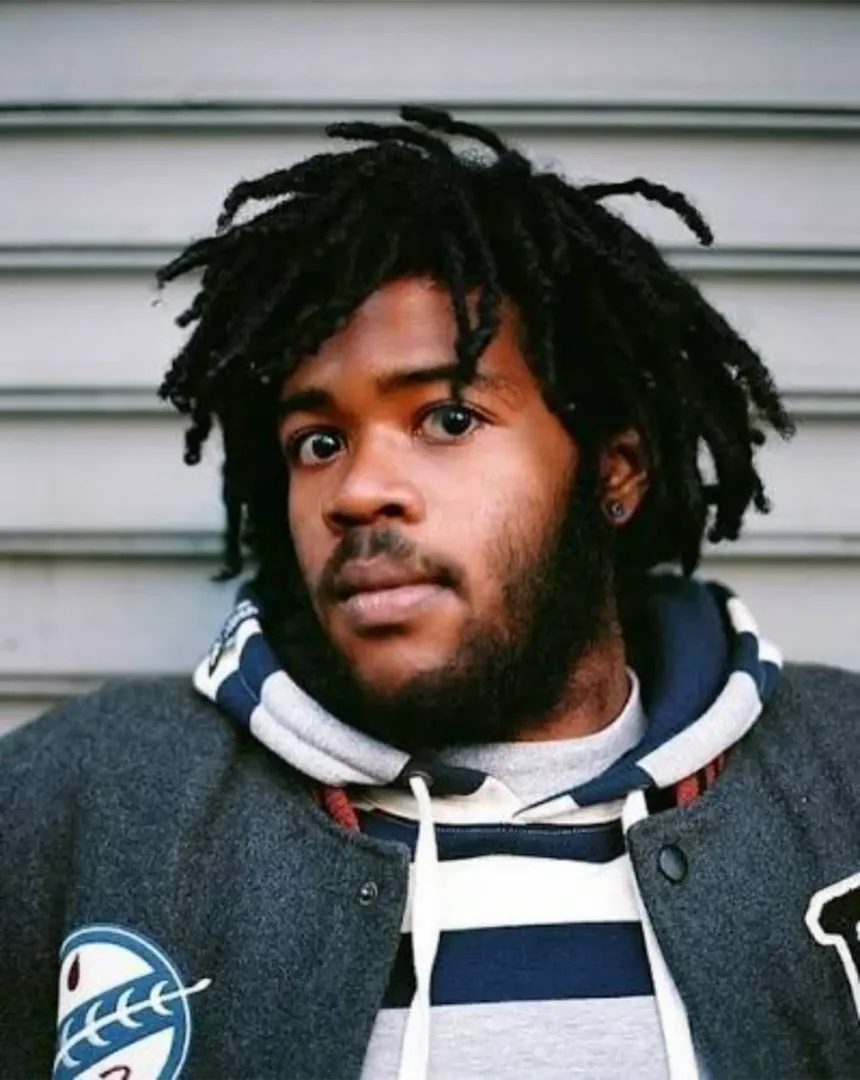
Capital Steez: A Mind Beyond His Years. He was more than a Brooklyn rapper. As a founding member of Pro Era, alongside Joey Bada$$ and other young creatives, he helped shape a generation of New York hip-hop that looked backwards for inspiration while pushing towards something new. His music carried a distinct kind of intensity. There was philosophy in his writing, rebellion in his delivery and a restless curiosity in the ideas he explored. Steez approached rap as a space for questioning the world, examining the self and searching for meaning beyond what was immediately visible.
His influence was never only about how many records he sold or how many people knew his name. It was about the young listeners who found something in his words that they struggled to articulate themselves. For those listeners, his music could feel like a conversation with someone who understood the questions they were asking. His death on 24 December 2012, at just 19 years old, left an enormous void in the Pro Era community and among fans who believed his journey was only beginning.
There is a particular sadness in looking back at an artist so young and imagining everything he might have created. The albums we will never hear, the verses that were never written, the stages he never got to stand on and the people who might have discovered him years later. But Capital Steez’s story cannot be reduced to the tragedy of his death. His creativity, his contribution to Pro Era and the connection he built with listeners deserve to stand on their own. His life mattered beyond how it ended.
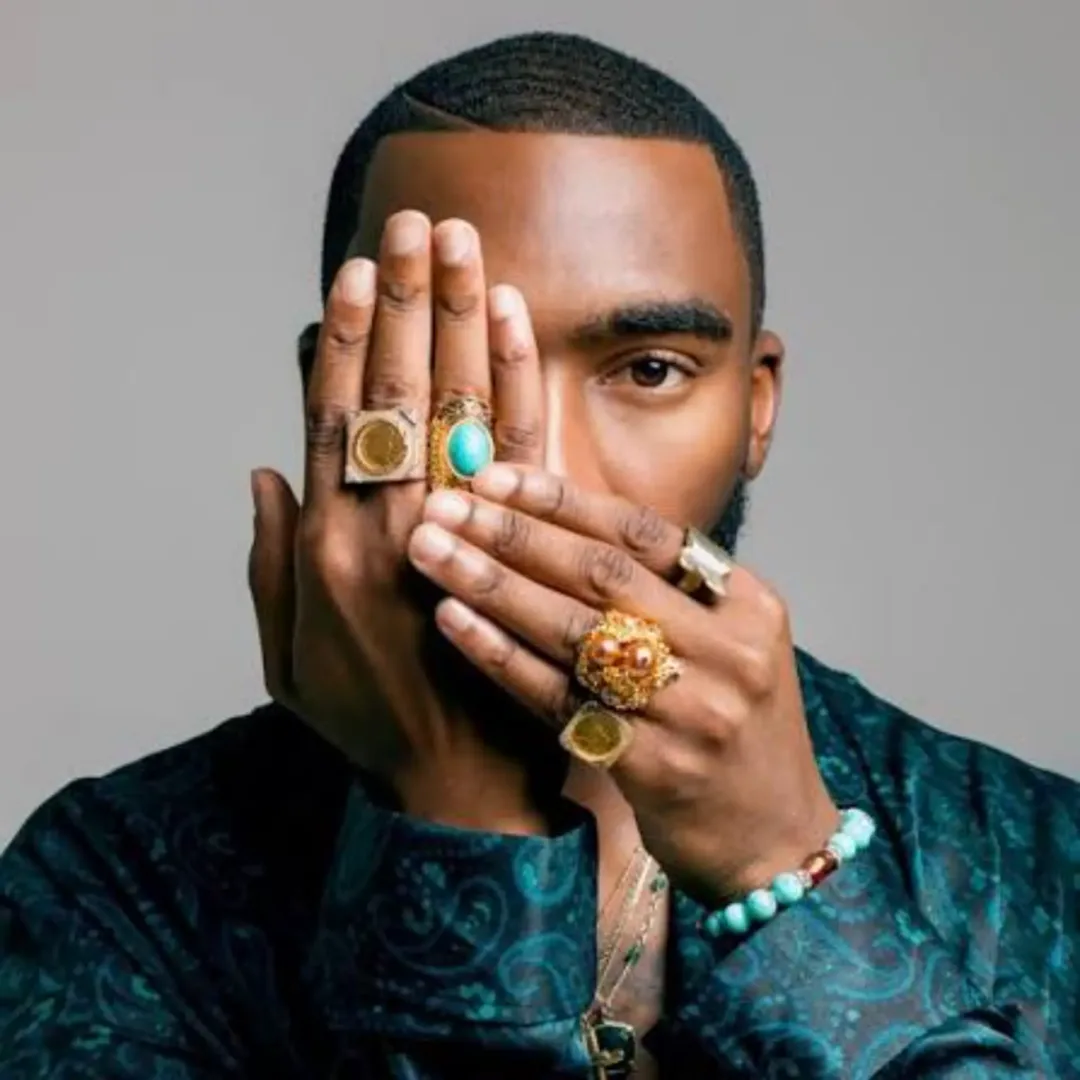
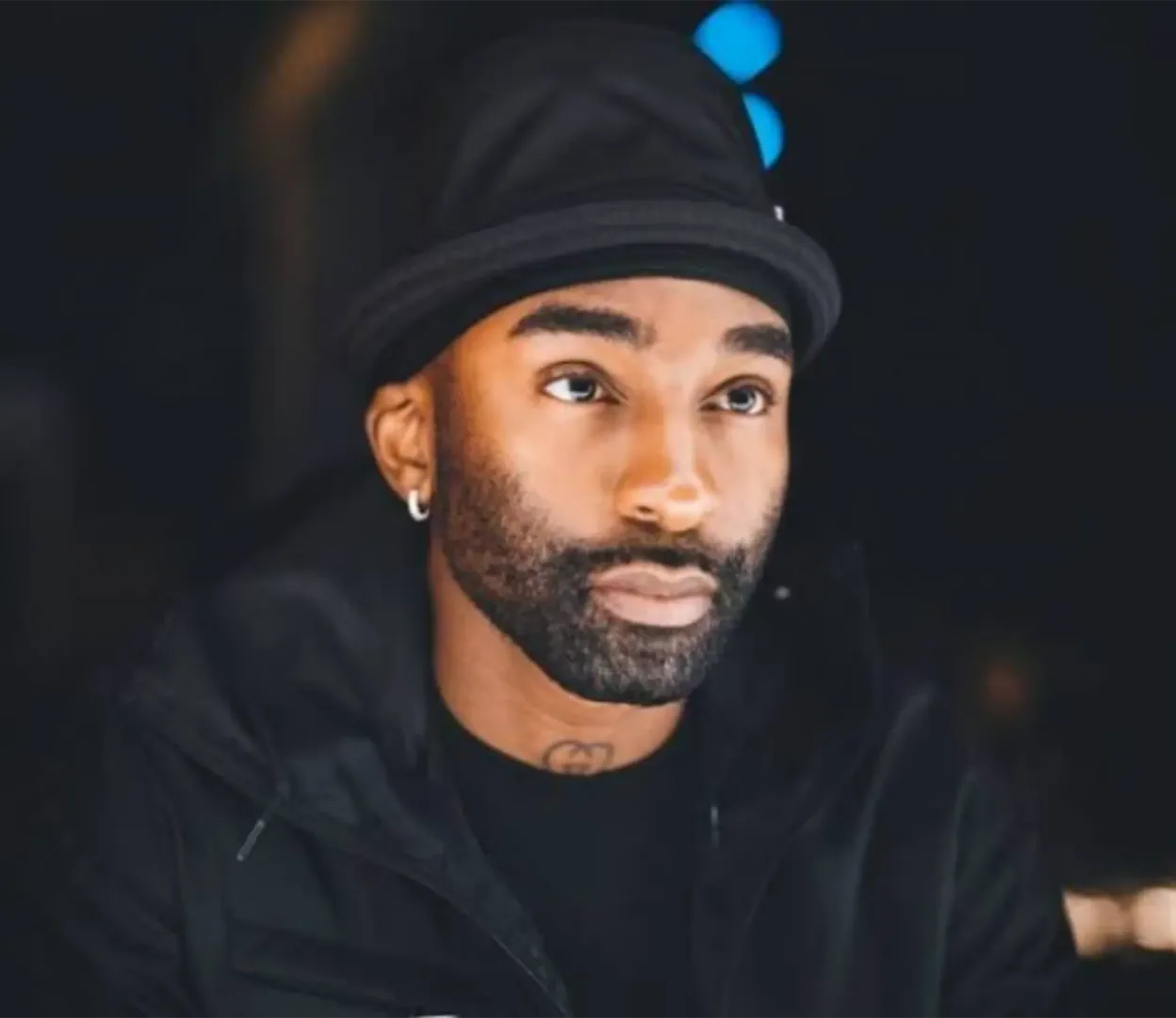
Riky Rick: More Than A King, A Culture Shifter. In South Africa, Riky Rick represented something equally transformative. He was a rapper, a fashion force, a cultural connector and an artist who understood that hip-hop could exist beyond the boundaries people tried to impose on it. From his music to his style, from his performances to his role in bringing young creatives together, Riky consistently challenged what a South African hip-hop star could look and sound like.
He moved between worlds. He could make records that dominated the clubs while embracing vulnerability, experiment with his image while building a recognizable identity, and celebrate emerging creatives while continuing to evolve his own artistry. Through Cotton Fest, he helped create a platform where different generations and sounds could share space. It was more than a festival. It reflected a belief that young South African creatives deserved somewhere to express themselves, connect with audiences and be part of a wider cultural movement.
For many, Riky made individuality feel powerful. He showed young people that they did not have to fit neatly into somebody else’s idea of what a rapper, a man or a creative should be. You could be colourful, emotional, ambitious, experimental and unapologetically yourself. His death on 23 February 2022 sent shockwaves through South African music and fashion. The loss was deeply felt because Riky had become part of the country’s cultural fabric. His influence was visible in the artists who followed his lead, the creatives who found opportunities through the spaces he helped build, and the fans who saw something of themselves in his journey. Riky left us with music, memories and a blueprint for building culture with intention. His legacy continues through the people who carry that work forward.
Two Different Worlds, One Difficult Conversation. Capital Steez and Riky Rick did not live the same lives, and we should not pretend to know the full weight of what either experienced privately. Their deaths were different, and their stories should be treated with the care and individuality they deserve. Yet remembering them together invites us to reflect on the relationship between creativity, public love and private struggle. Hip-hop is often a culture of resilience. We celebrate the comeback, the breakthrough, the sold-out show, the independent artist who refuses to give up and the person who turns hardship into art. We admire those who keep going, even when the odds are against them.
But what happens when we become so accustomed to seeing people as strong that we forget they are human? An artist can be celebrated and still need support. They can have a loyal fan base and still need someone to check in. They can create music that gives other people hope without having all the answers for themselves. We must be careful not to romanticize their deaths or assume that their art tells us everything about their private lives. Instead, we should allow their stories to remind us that mental health deserves attention beyond moments of crisis. Support should not depend on fame, success, money or how much someone appears to have gone for them.
Sometimes, checking in means asking a question and genuinely listening to the answer. Sometimes, it means making room for someone to speak without judgement. And sometimes, it means helping them find professional support when they need more than a conversation with a friend.
We cannot rewrite what happened to Capital Steez or Riky Rick. But we can be more thoughtful about how we care for the people who are still here. The Love Must Continue Beyond the Tributes. There is something beautiful about the way hip-hop remembers its own. Years after an artist has passed, people still play the music, quote the lyrics, wear the merchandise, share old photographs and tell stories about what that person meant to them. Every generation finds its own way of keeping a legacy alive.
But remembrance must be more than an anniversary post or a tribute at a concert. For Capital Steez, it means continuing to appreciate the creativity that helped define Pro Era and recognizing the lasting relationship between his work and the listeners who discovered it. For Riky Rick, it means honoring the culture-building spirit he represented, supporting emerging South African creatives and protecting the spaces that allow young talent to flourish.
It also means allowing their legacies to remain human. We can celebrate their achievements without turning their pain into mythology. We can honor their influence while acknowledging that no amount of public recognition can tell us everything about a person’s private world. The people they inspired are still here. The music is still here. The cultural shifts they helped create are still unfolding. And perhaps that is where the real work of remembrance begins: not simply in mourning what we lost, but in taking care of what remains.
Infinity And Beyond. Capital Steez was 19. Riky Rick was 34. Different ages, different journeys, different legacies. Yet both remind us that a person’s influence cannot always be measured by the length of their life. Some artists leave behind a catalogue. Others leave behind a movement. The rare ones leave behind a way of seeing the world, inspiring people to create, to question, to dress differently, to speak freely and to believe there is room for them in a culture that did not always make that room easy to find.
Capital Steez and Riky Rick did that in their own ways. Their lives were not defined by their deaths, and their legacies should never be limited to them. They were artists with ideas, ambitions, relationships, imperfections and futures that ended far too soon. They deserved the chance to keep growing, changing and discovering who they could become.
We cannot bring them back. We can, however, keep their work alive, celebrate the people they inspired and learn to show one another more care while we still have the opportunity. Rest in power, Capital Steez. Rest in peace, Riky Rick. Your music continues to travel. Your influence continues to grow. And the love you left behind belongs to every generation that discovers you next.
Infinity and beyond.