
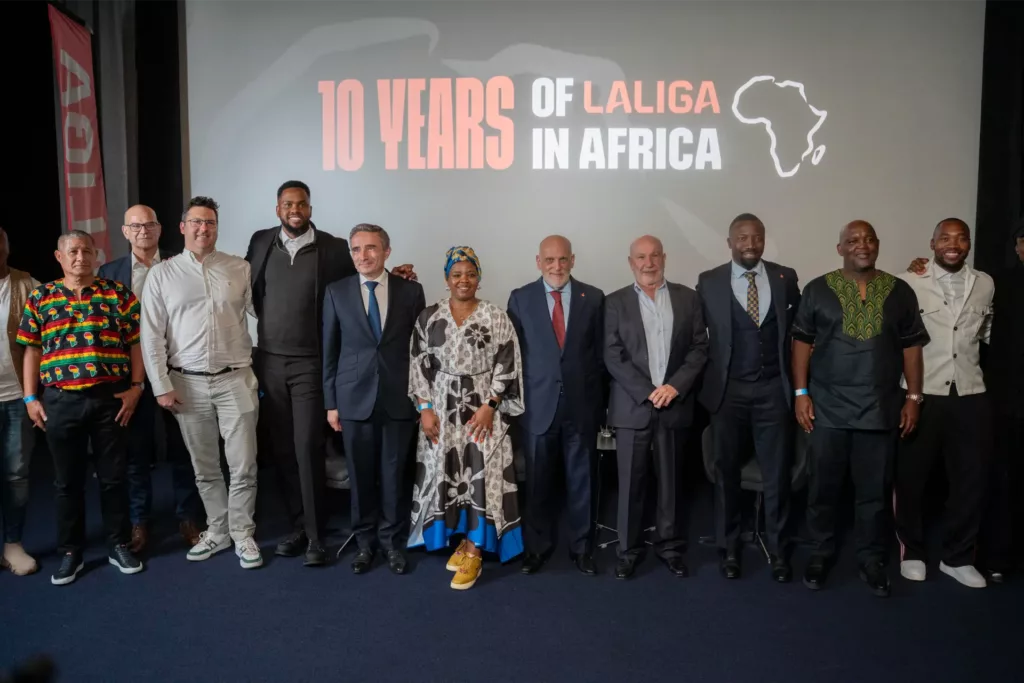
HYPE fam, as you’ve seen, we’ve been covering more sports, from basketball and skateboarding to cricket and rugby. Now we’re plugging you with football, but through the language of hip-hop, you understand. Ten years ago, La Liga became the first European league to open a permanent office in Africa, marking a bold commitment to the continent. That move has grown into one of Africa’s most influential international football ecosystems. This month, La Liga celebrated its 10th anniversary in South Africa with a special event hosted by MultiChoice (a CANAL+ company) and SuperSport. Guests were treated to the premiere of a documentary reflecting on a decade of growth, partnerships, and purpose.
Here is an exclusive conversation with Nomaswazi ‘Swazi’ Thabethe-Bisset, Marketing & Communications Manager for La Liga South Africa.
Hi Fam, welcome to HYPE Magazine.
Nomaswazi Madonna Bisset:
I’m very well, thanks. Thank you for having us. I’m still basking in the joy of La Liga celebrating 10 years in Africa.
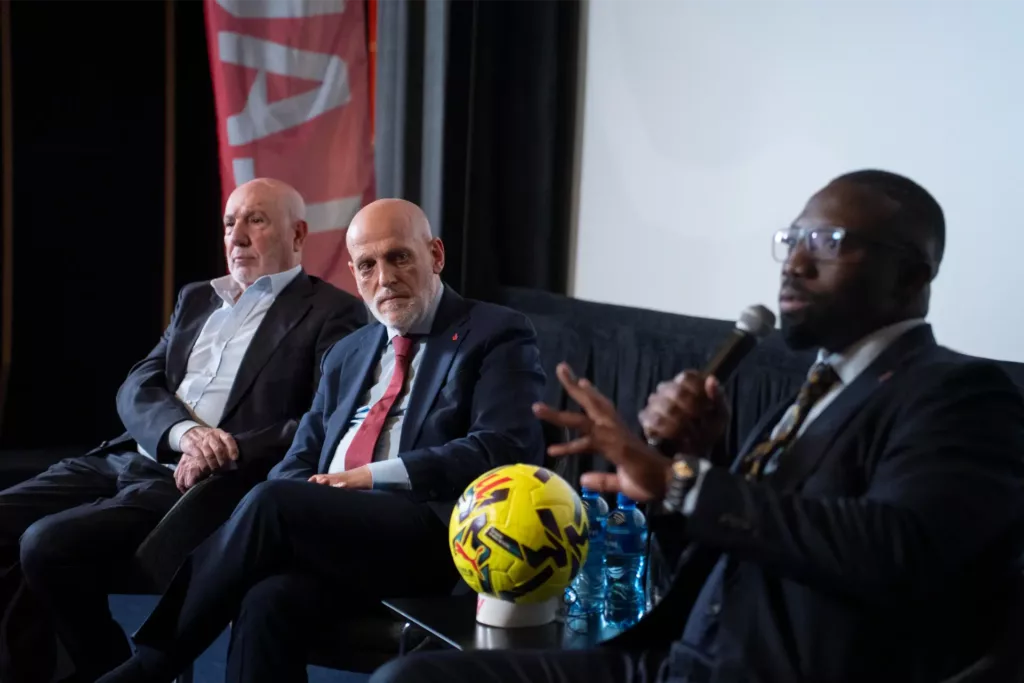
Let’s get straight into it. Ten years ago, La Liga opened a permanent office in Africa. What drove that move?
Nomaswazi Madonna Bisset:
It was more than just a TV rights issue. La Liga wanted to be on the ground, closer to fans, stakeholders, and the overall football ecosystem. Yes, selling match rights was important, and having a reach across 54 markets is incredible, but the real aim was to build a launchpad for broadcast innovation, fan experiences, women’s football, club consultations, and grassroots programmes.
These 10 years have proved the decision wasn’t in vain. We’ve gained a real understanding of the different needs across African markets. In some countries, we focused on support and development. In South Africa, where local football is already strong, our approach was different. At the core, the goal was simple: bring the game closer to the people and expand the brand’s value on the continent.
Looking at the continent as a whole, has the African La Liga fanbase grown? And how do you reach fans with limited access to DStv or the internet?
Nomaswazi Madonna Bisset:
Nigeria is currently La Liga’s biggest African market. South Africa leads in viewership, but Nigeria leads in engagement. That alone shows access is a massive factor. Not everyone can afford subscriptions or a stable internet. But with our partnership with SportyTV, fans can now stream certain fixtures for free. That improves accessibility without compromising quality. Then Canal+ came in through MultiChoice, which restructured pricing. LALIGA was added to DStv from the Access package upwards, no longer limited to Compact or Premium. That move alone grew our viewership by over 300%. It showed us just how many people want to watch these games; sometimes, all they need is access.
How long does La Liga’s current partnership with MultiChoice run?
Nomaswazi Madonna Bisset:
Broadcast rights are renegotiated continuously. With the new ownership structure, things are being revised. At the moment, there isn’t a definitive timeline I can share. As things unfold, we’ll all know what the new broadcast agreement will look like.
Collaborations with clubs like Yanga SC, Petro de Luanda and Zanaco FC have been praised. How have these shaped local football development?
Nomaswazi Madonna Bisset:
These clubs needed exposure to knowledge more than anything. Our collaboration acted as an engine room for change. We supported them through consultancy programmes, governance structures, commercial strategies, technical functions, and processes designed for long-term growth.
It shifted their internal culture:
better data-driven decisions
improved marketing
structured content calendars
stronger brand positioning
more effective community engagement
La Liga helped professionalise their structures, boost commercial capacity, and turn fans into active participants — not just spectators.
What role has La Liga played in advancing women’s football in Nigeria and across the continent?
Nomaswazi Madonna Bisset:
We have a scholarship alumni. One of the most exciting stories is Miracle Usani, from Nigeria, who joined 47 other girls worldwide under La Liga’s scholarship. She immersed herself, understood the discipline required, learned from a different football environment, and today she’s a WAFCON champion. These scholarships are about building capacity, transferring knowledge, and providing pathways. It’s also about visibility. La Liga doesn’t want to be seen as a male-focused brand, especially not in Africa. Women’s football matters to us.
How have initiatives like the Next Gen Draft and EA Sports FC Future created pathways for African talent?
Nomaswazi Madonna Bisset:
In South Africa, the first activation was refurbishing a community football field — making it safer and more playable. Then came the Next Gen Draft: over 200 kids gathered over one weekend for intentional scouting. Many of these young players would’ve never played against each other without this platform. Both boys and girls competed, and the selected few travelled overseas, something they never imagined at their age. The docuseries will unpack their experience further, but for now, these programmes show young people that there are higher levels they can reach. La Liga gives them access to world-class training environments, equipment, and knowledge, all at no cost. And importantly, we intentionally target disadvantaged communities.
Fan engagement across Africa has exploded. What’s driving this cultural presence?
Nomaswazi Madonna Bisset:
Localised talent. The African MVP award highlights African players shining in La Liga. Fans want to feel represented. We also prioritise being physically present, real people on the ground, not just branding and giveaways. Fans can talk to us face-to-face. We’ve blended local culture too, like integrating kasi football into watch parties and turning them into festivals. When fans watch La Liga, they can now say, “I experienced the South African version of this.”
Looking ahead, what are La Liga Africa’s ambitions for the next 10 years?
Nomaswazi Madonna Bisset:
We want to remain an on-the-ground partner rooted in African football culture. The ambition is to scale up talent pathways, see more African players in La Liga, and ensure sustainability across football systems. We’re not just focused on players, but managers, medical staff, media professionals, broadcasters. If the ecosystem is healthy, everyone thrives. We also want to continuously collaborate with local leagues and other global leagues. Competition is natural, but shared knowledge is how the entire football ecosystem grows.
From a marketing perspective, we saw Spotify running A-Reece banners during La Liga games. Are you working with more African artists, or was that a once-off?
Nomaswazi Madonna Bisset:
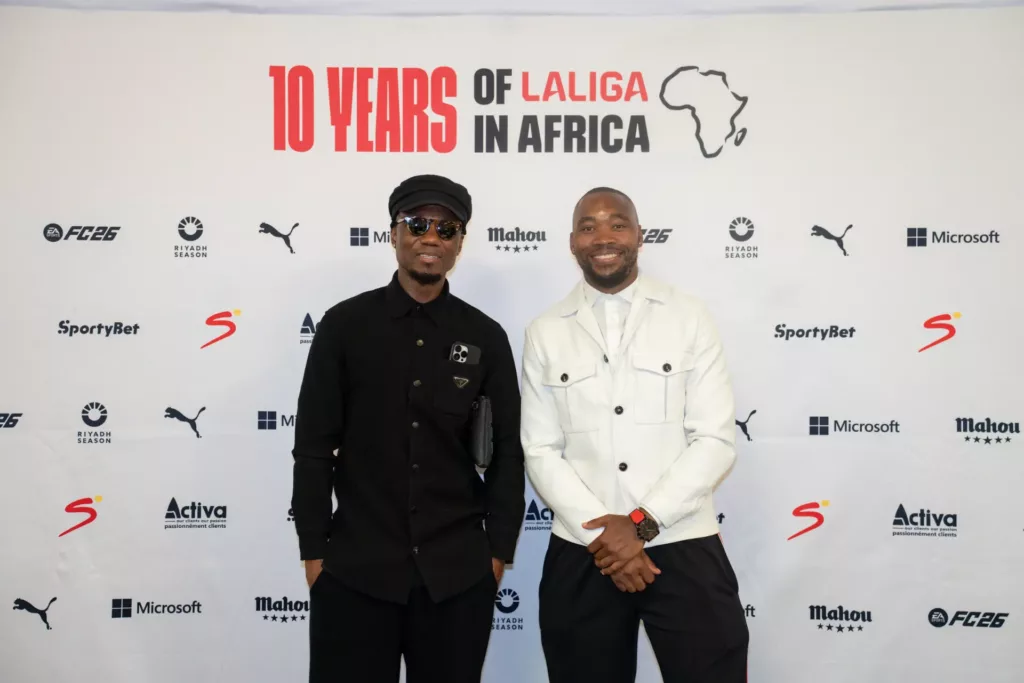
In South Africa, we’ve partnered with 25K several times, and that wasn’t a once-off. He’s a confessed Madridista, so the partnership made sense culturally. At halftime, you need entertainment, and music is a key part of the football ecosystem. But we only partner with talent that genuinely follows the league, because fans must relate to the artist. Music and football go hand in hand, and we want to amplify African artists who authentically align with our brand. Wherever you are, and whatever space you occupy, we want to amplify and celebrate talent that genuinely connects with our market. Being a superstar alone isn’t enough; if you don’t follow the league or engage with its culture, the collaboration won’t make sense. The fans won’t relate, and we won’t have anything meaningful to banter or build on. Maintaining that ecosystem is important. That’s why music plays such a big role in my field — it’s part of the entertainment world, just like sport. Football is entertainment on its own, but that doesn’t mean the wider entertainment industry can’t thrive alongside it. That’s exactly why we continue to celebrate local talent.
We’ve had such a powerful conversation. Before we wrap up, any final words for our readers and viewers who’ll be catching this interview?
Nomaswazi Madonna Bisset:
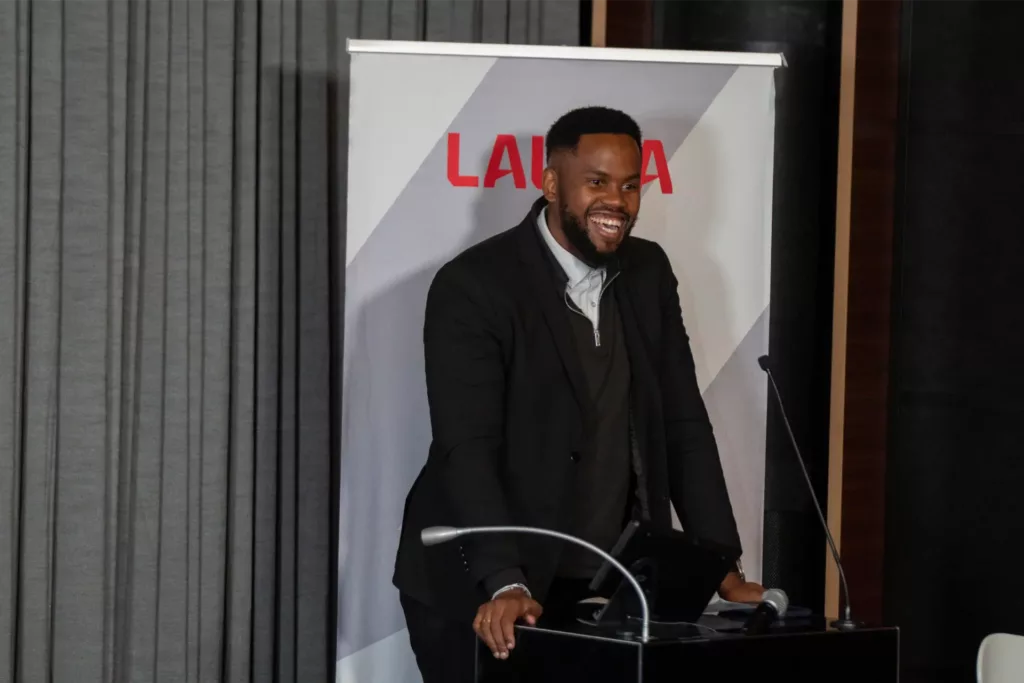
A huge thank you, especially to the fans, followers and supporters of La Liga. They are the reason this journey exists. It was built for them, and it will continue to be for them. This work is for the communities and for the stakeholders who believe in the ecosystem. Yes, brand partnerships matter, but at the end of the day, the power of football lies with its fans. And in Africa? The market is massive. We value every bit of support we’ve received — from fans, brand partners and everyone who has helped amplify our message. A special shout-out to our broadcaster partners, too. It’s not easy packaging fixtures, building hype and delivering a world-class product week after week. SuperSport, for instance, our recent El Clásico activation with Primo and Siphiwe Vilakazi was incredible. That level of partnership has helped us grow. So, as we look ahead to the next decade and beyond, our focus is on growing this community even more.
Thank you for your time and for this conversation. And please don’t forget to bless us with a few vouchers for future competitions.
Nomaswazi Madonna Bisset:
Thank you so much.